 Save
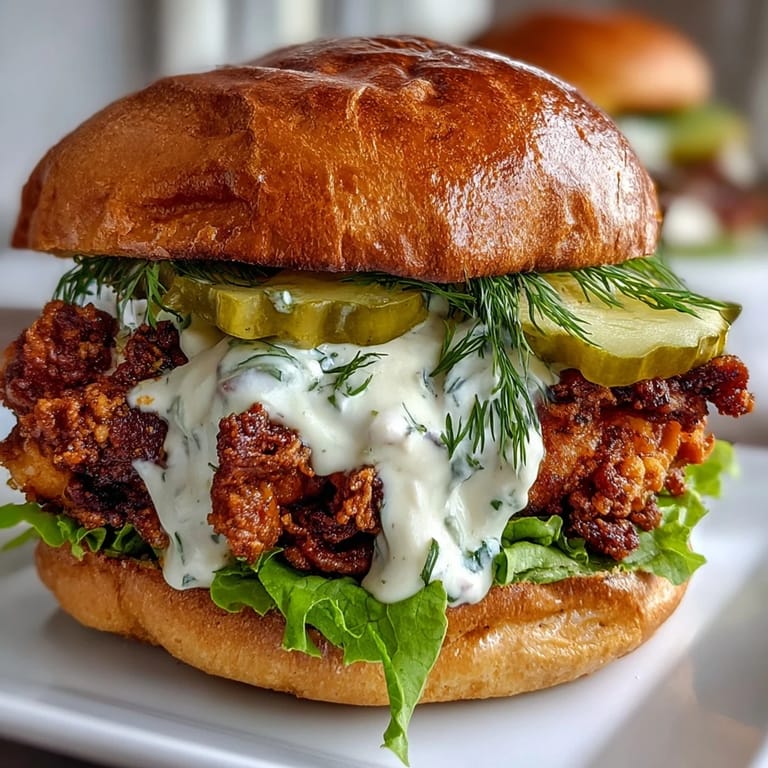
Save There was a stretch last spring when I'd drive past a certain fast-food joint three times a week and crave that crunch, that heat, that creamy cool finish. One Saturday I had chicken thawing and a hunch I could do better at home. I mixed buttermilk and hot sauce, tossed in the breasts, and let them soak while I ran errands. When I finally fried them that evening, the kitchen filled with the kind of smell that makes neighbors knock. I've been hooked ever since.
I made these for a small birthday gathering last summer, and my friend Alex, who swears he doesn't like spicy food, ate two and asked for the recipe. His partner later told me he'd been practicing it at home every weekend. That's the thing about a sandwich this good: it turns skeptics into evangelists. The crunch, the heat, the way the pickles cut through the richness—it all just works.
Ingredients
- Boneless, skinless chicken breasts: Pound them to an even half-inch so they cook through without drying out; thighs work too if you want extra juiciness.
- Buttermilk: The acidity tenderizes the meat and helps the spices cling; if you're out, stir a tablespoon of lemon juice into regular milk and let it sit five minutes.
- Hot sauce: I use a Louisiana-style sauce for tang, but any vinegar-based hot sauce will do the job.
- Paprika and cayenne pepper: Paprika adds color and mild sweetness, cayenne brings the heat; adjust the cayenne up or down depending on your tolerance.
- All-purpose flour and cornstarch: The cornstarch makes the crust extra light and shattery; don't skip it.
- Vegetable oil: You need enough depth to come halfway up the chicken; I use canola or peanut oil for high smoke points.
- Mayonnaise and sour cream: The base of the sauce; full-fat versions give the best flavor and body.
- Smoked paprika: A little goes a long way; it adds a subtle campfire note that makes people ask what your secret is.
- Brioche burger buns: Soft, buttery, and sturdy enough to hold up to all the toppings; toast them lightly so they don't turn soggy.
- Dill pickle slices: The briny crunch is non-negotiable; I've tried it without and immediately regretted it.
Tired of Takeout? 🥡
Get 10 meals you can make faster than delivery arrives. Seriously.
One email. No spam. Unsubscribe anytime.
Instructions
- Marinate the chicken:
- Whisk the buttermilk with hot sauce, salt, paprika, cayenne, garlic powder, and onion powder until the spices dissolve. Submerge the pounded chicken breasts, cover the bowl, and refrigerate for at least an hour or up to overnight so the flavors soak in deep.
- Prepare the dredge:
- In a shallow dish, combine flour, cornstarch, paprika, garlic powder, onion powder, salt, cayenne, and black pepper. Whisk it well so the spices distribute evenly and you don't get pockets of heat.
- Heat the oil:
- Pour vegetable oil into a heavy skillet or Dutch oven until it's about two inches deep, then heat to 350°F. Use a thermometer; too cool and the coating gets greasy, too hot and it burns before the chicken cooks through.
- Coat the chicken:
- Lift each breast from the marinade, let the excess drip off, then press it firmly into the dredge on both sides. For extra crunch, dip it back in the marinade and dredge again before frying.
- Fry until golden:
- Carefully lower the chicken into the hot oil and fry for four to six minutes per side, turning once, until deep golden and the internal temperature hits 165°F. Transfer to a wire rack set over a sheet pan to drain and stay crisp.
- Make the sauce:
- Whisk together mayonnaise, sour cream, hot sauce, lemon juice, smoked paprika, garlic powder, and honey if you like a hint of sweetness. Taste and adjust salt and pepper; it should be tangy, creamy, and just bold enough to stand up to the chicken.
- Toast the buns:
- Split the brioche buns and toast them cut-side down in a dry skillet or under the broiler until lightly golden. This step takes thirty seconds and makes all the difference.
- Assemble and serve:
- Spread sauce generously on both halves of each bun, then layer with fried chicken, pickle slices, lettuce, and tomato if you want it. Serve immediately with extra sauce on the side for dipping.
 Save
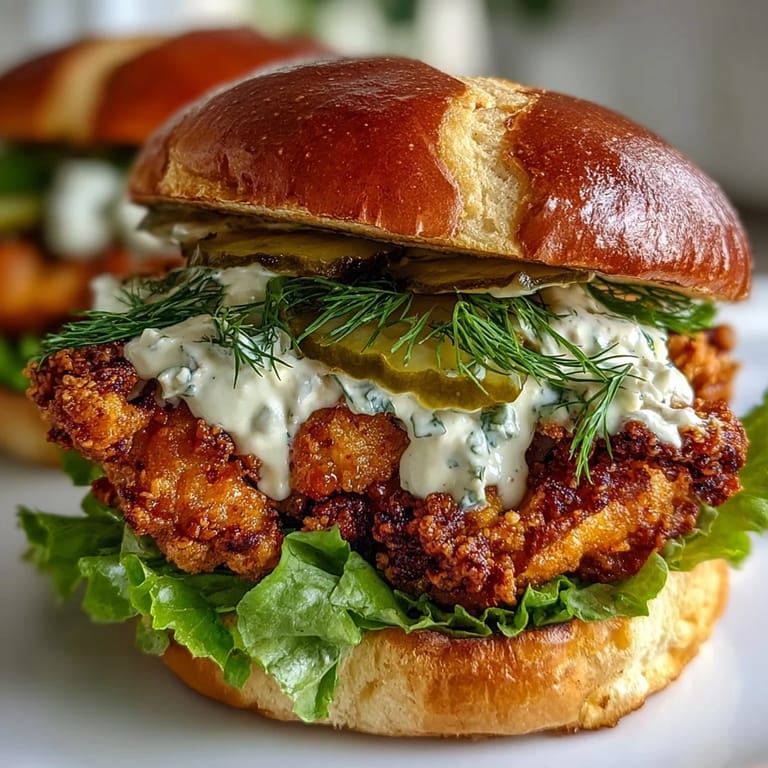
Save The first time I packed these for a picnic, I wrapped them in foil and reheated them in a cast-iron skillet over a portable burner. My brother-in-law, who'd been skeptical about eating fried chicken outdoors, went quiet for a full minute after his first bite. He looked at me and said, "This is better than the place by my office." That's when I knew this recipe was a keeper.
Storing and Reheating
If you have leftovers, store the fried chicken separately from the buns and toppings in an airtight container in the fridge for up to three days. To reheat, place the chicken on a wire rack over a baking sheet and warm it in a 375°F oven for about ten minutes until the coating crisps back up. The sauce keeps in a sealed jar in the fridge for up to a week, and the flavors actually meld and improve after a day or two.
Customizing the Heat
Some folks can't get enough fire, others want just a whisper of warmth. If you're in the first camp, add an extra half teaspoon of cayenne to both the marinade and the dredge, or stir a teaspoon of your favorite hot sauce into the final sauce. If you're feeding a mixed crowd, keep the marinade and dredge moderate and serve extra hot sauce on the side so everyone can dial in their own heat level.
Serving Suggestions
These sandwiches are rich and filling, so I like to serve them with something crisp and refreshing on the side. A simple cabbage slaw with a tangy vinegar dressing cuts through the richness beautifully. Crispy oven fries or sweet potato wedges are always a hit, and if you're feeling fancy, a cold hoppy IPA or a tart lemonade makes the perfect drink pairing.
- Try adding a slice of sharp cheddar or pepper jack for extra richness and a little more heat.
- Swap the brioche for a potato bun or a pretzel roll if you want a different texture.
- Leftover sauce is excellent on burgers, as a dip for fries, or drizzled over grilled vegetables.
 Save
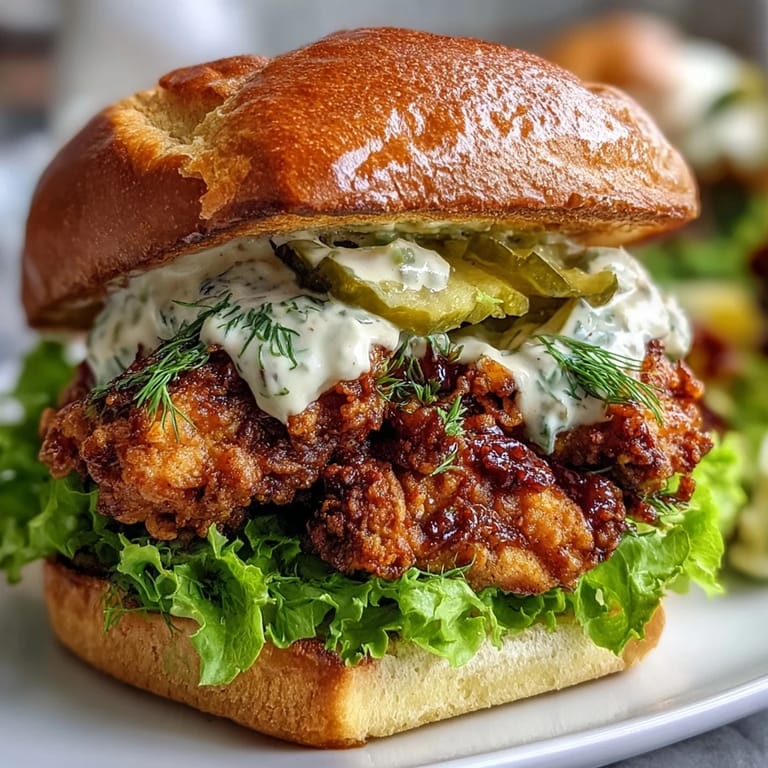
Save This sandwich has become my go-to when I want to impress without stress, and every time I make it, someone asks for the recipe. I hope it becomes a favorite in your kitchen too.
Recipe Questions & Answers
- → How long should I marinate the chicken?
Marinate the chicken for at least 60 minutes, but overnight marinating in the refrigerator yields the most tender and flavorful results. The buttermilk works to break down proteins while infusing the meat with spices.
- → What oil temperature is best for frying?
Maintain your oil at 350°F (175°C) throughout frying. This temperature creates the crispiest exterior while ensuring the chicken cooks through without burning. Use a kitchen thermometer for accuracy.
- → Can I make the sauce ahead of time?
Absolutely. The creamy sauce actually benefits from resting in the refrigerator for a few hours or overnight, allowing the flavors to meld together. Store it in an airtight container.
- → How do I get extra crunch on the chicken?
The secret is double dredging—coat the chicken in the flour mixture twice, pressing firmly each time to ensure the coating adheres properly. The cornstarch in the dredge also contributes to superior crispiness.
- → Can I bake instead of fry?
While baking at 425°F for 20-25 minutes per side will work, you won't achieve the same level of crunch. For best results, pan-fry or use a deep fryer to get that restaurant-quality crispy exterior.
- → How do I store leftovers?
Store components separately: chicken in the refrigerator for up to 3 days, sauce in an airtight container for 1 week, and buns at room temperature. Reheat chicken in a 375°F oven for 10 minutes to restore crispiness.