 Save
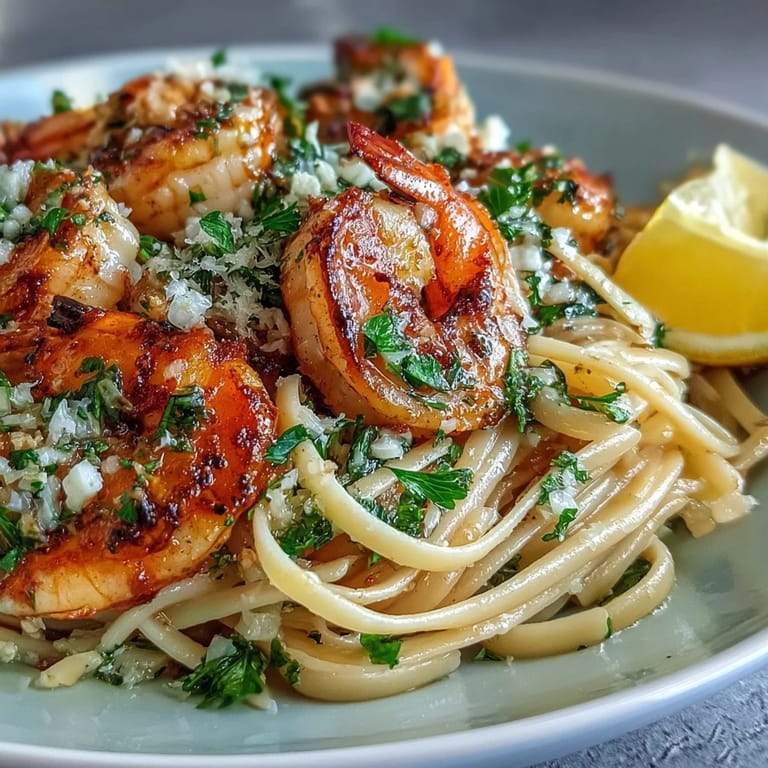
Save The skillet was still hissing when my neighbor leaned over the fence and asked what smelled so good. I was testing this shrimp scampi on a Tuesday night, nothing fancy planned, just craving something that tasted like effort without actually requiring much. The garlic had filled the whole backyard with that unmistakable perfume, and by the time I plated it, I knew this was going into regular rotation. It's one of those dishes that feels like a special occasion but comes together faster than ordering takeout.
I made this for my parents on their anniversary once, dimmed the lights and pretended I knew what I was doing. My dad, who usually drowns everything in hot sauce, took his first bite and just nodded slowly. My mom asked for the recipe twice before dessert. That night taught me that sometimes the simplest ingredients, when treated with a little care and good timing, can say more than any complicated technique ever could.
Ingredients
- Large shrimp (1 pound, peeled and deveined): The star of the dish, they turn sweet and tender in minutes, just make sure theyre patted completely dry so they get a nice sear instead of steaming in their own moisture.
- Linguine (12 ounces): The flat shape grabs onto the sauce better than round spaghetti, and cooking it just to al dente means it finishes perfectly when tossed with the buttery wine reduction.
- Unsalted butter (4 tablespoons): This gives the sauce its silky richness and helps emulsify everything into a glossy coating, I always use unsalted so I can control the seasoning myself.
- Extra virgin olive oil (3 tablespoons): It raises the smoke point when combined with butter and adds a fruity backbone that balances all the richness.
- Garlic (5 cloves, finely minced): The soul of scampi, it should smell toasty and sweet but never bitter, so watch it closely and keep the heat moderate.
- Red pepper flakes (1/4 teaspoon, optional): Just a pinch adds warmth without overpowering the delicate shrimp, I skip it when cooking for kids but always add it for myself.
- Lemon zest and juice (1 lemon total): Zest goes in at the end for bright aroma, juice goes into the sauce to cut through the butter and wake up every flavor.
- Fresh parsley (1/4 cup, chopped): This isnt just garnish, it adds a grassy freshness that makes the whole dish feel alive, never skip it.
- Dry white wine (1/2 cup): A crisp Pinot Grigio or Sauvignon Blanc builds the base of the sauce and adds acidity, whatever you'd drink with dinner works perfectly here.
- Salt and black pepper: Season the shrimp before they hit the pan and taste the sauce at the end, good seasoning makes everything else shine.
Tired of Takeout? 🥡
Get 10 meals you can make faster than delivery arrives. Seriously.
One email. No spam. Unsubscribe anytime.
Instructions
- Boil the pasta:
- Bring a large pot of salted water to a rolling boil and cook the linguine until al dente, following the package timing. Before draining, scoop out half a cup of the starchy pasta water and set it aside, it will help the sauce cling beautifully later.
- Prep the shrimp:
- Pat the shrimp completely dry with paper towels and season them lightly with salt and pepper. Wet shrimp will steam instead of sear, and you want that quick golden contact with the hot pan.
- Start the aromatics:
- In a large skillet over medium heat, melt 2 tablespoons of butter with 2 tablespoons of olive oil until the butter stops foaming. Add the minced garlic and red pepper flakes if using, stirring constantly for about a minute until the garlic smells sweet and toasty but hasn't taken on any color.
- Sear the shrimp:
- Lay the shrimp in a single layer in the skillet and let them cook undisturbed for 1 to 2 minutes per side until they turn opaque and pink. Transfer them to a plate right away so they don't overcook while you build the sauce.
- Deglaze and reduce:
- Pour the white wine and lemon juice into the skillet, scraping up any browned bits stuck to the bottom with a wooden spoon. Let the mixture simmer for 2 to 3 minutes until it reduces slightly and the alcohol smell mellows into something sweet and tangy.
- Finish the sauce:
- Stir in the remaining 2 tablespoons of butter and 1 tablespoon of olive oil, swirling the pan until everything melts into a glossy, unified sauce.
- Reunite shrimp and sauce:
- Return the cooked shrimp and any juices from the plate back into the skillet, then add the lemon zest and half the chopped parsley. Toss everything together so the shrimp gets coated in that buttery, garlicky goodness.
- Toss with pasta:
- Add the drained linguine to the skillet and toss well, adding splashes of reserved pasta water as needed to create a silky sauce that clings to every strand. Taste and adjust the salt and pepper until it sings.
- Serve immediately:
- Plate the pasta and shrimp while everything is steaming hot, then garnish with the remaining parsley and lemon wedges on the side for squeezing.
 Save
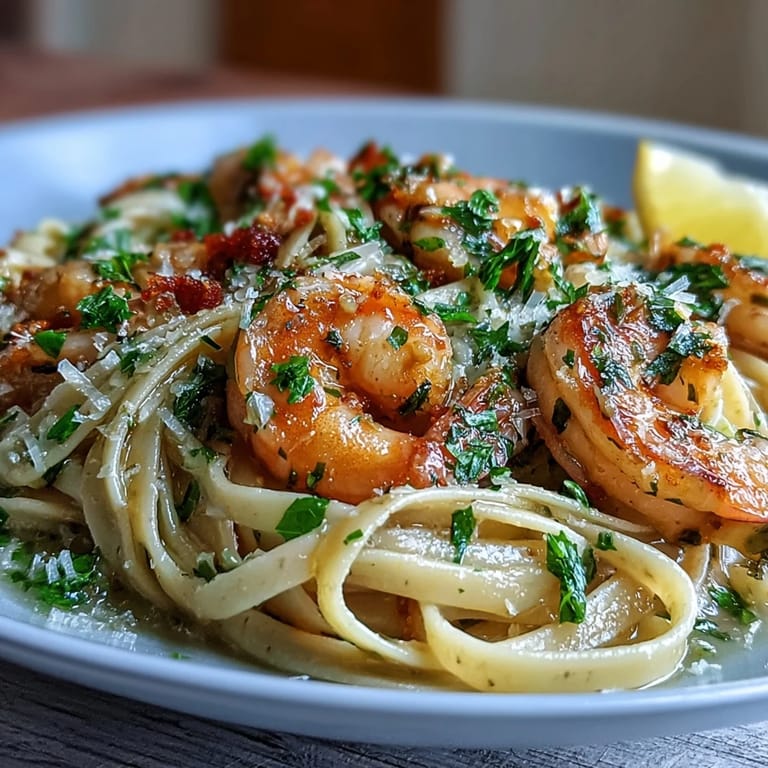
Save One night I served this to friends who claimed they didn't like seafood. They finished their plates and scraped up every last bit of sauce with bread, then admitted maybe they just hadn't had shrimp cooked right before. It reminded me that good cooking isn't about fancy tricks, it's about respecting the ingredients and not overthinking the process. Sometimes the best meals are the ones that just let everything taste like itself, only better.
Choosing Your Shrimp
I always buy shrimp that are already peeled and deveined because life is too short to spend twenty minutes with a paring knife. Look for shrimp that smell like the ocean, clean and briny, never fishy or like ammonia. Frozen shrimp are often fresher than thawed ones sitting in the case, since they're flash frozen right on the boat. If you can find wild caught, the flavor is a little sweeter and the texture firmer, but good quality farmed shrimp work beautifully too. Let them thaw in the fridge overnight or under cold running water for ten minutes, then dry them thoroughly before they go anywhere near the pan.
Getting the Sauce Just Right
The magic of scampi is in the emulsion, that moment when butter, oil, wine, and pasta water come together into something greater than the sum of their parts. If your sauce looks greasy or broken, it usually means the heat was too high or you didn't add enough pasta water to bind everything. I've learned to add the starchy water a tablespoon at a time, tossing constantly, until the sauce turns glossy and coats the back of a spoon. The lemon juice goes in early to mellow with the wine, but the zest waits until the end so it stays bright and aromatic. Don't be shy with seasoning, butter and pasta need more salt than you think.
Making It Your Own
This recipe is a template, not a rulebook. I've added halved cherry tomatoes with the garlic for bursts of sweetness, tossed in baby spinach at the end for color and nutrition, even stirred in a spoonful of cream when I wanted something richer. If you don't drink wine or don't have any open, chicken broth with an extra squeeze of lemon works in a pinch. Swap the linguine for spaghetti, fettuccine, or even penne if that's what's in the pantry. The key is the technique, hot pan, quick sear, build the sauce, toss and serve, everything else is just details.
- Add a handful of cherry tomatoes with the garlic for little pops of sweetness that brighten the whole dish.
- Toss in fresh baby spinach or arugula at the very end so it wilts into the hot pasta without turning mushy.
- Finish with a drizzle of your best olive oil and a pinch of flaky sea salt right before serving for an extra layer of flavor.
 Save
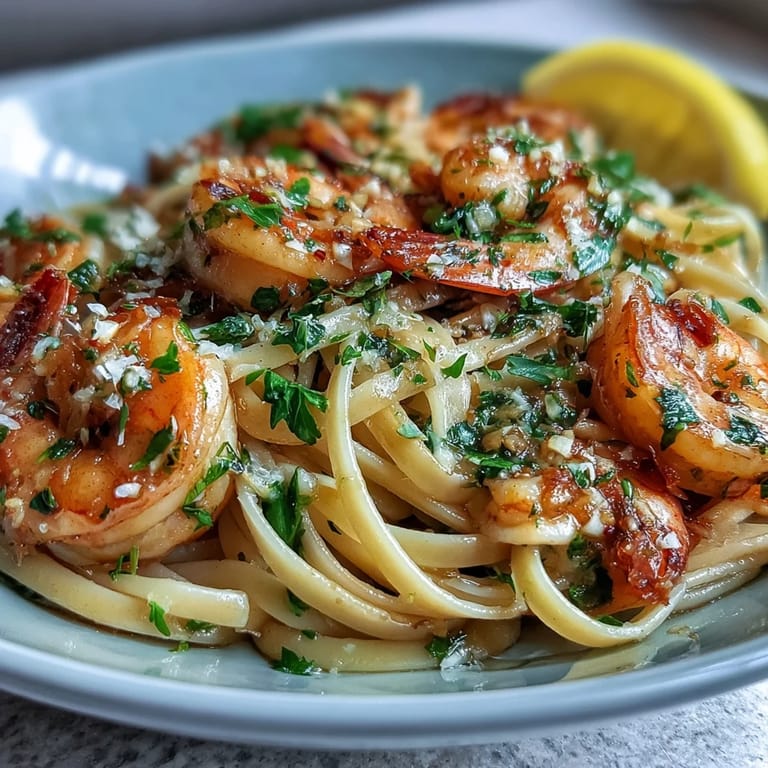
Save This dish has pulled me out of dinner ruts more times than I can count, and it never gets old. Keep good shrimp in the freezer and a bottle of wine you'd actually drink, and you'll always be thirty minutes away from something that feels like celebration.
Recipe Questions & Answers
- → Can I use frozen shrimp for this dish?
Yes, frozen shrimp work perfectly well. Thaw them completely in the refrigerator overnight or under cold running water. Pat them thoroughly dry with paper towels before cooking to ensure proper browning and prevent excess moisture in the sauce.
- → What type of white wine should I use?
Choose a dry white wine like Pinot Grigio, Sauvignon Blanc, or Chardonnay. Avoid sweet wines as they can make the sauce overly sugary. Use a wine you would enjoy drinking, as the flavor concentrates during cooking.
- → How do I prevent the garlic from burning?
Cook the garlic over medium heat and add it to the butter and oil when they're warm but not smoking hot. Sauté for only about 1 minute until fragrant. If the garlic starts to brown too quickly, reduce the heat immediately.
- → Can I make this dish ahead of time?
This dish is best served immediately for optimal texture and flavor. However, you can prep ingredients in advance by peeling and deveining shrimp, mincing garlic, and chopping parsley. Cook the pasta and sauce just before serving.
- → Why should I reserve pasta water?
Pasta water contains starch that helps bind the sauce to the noodles, creating a silky, cohesive coating. Add it gradually if your sauce seems too thick or dry, allowing the dish to come together beautifully.
- → What can I serve alongside this pasta?
Pair with a simple green salad, garlic bread, or roasted vegetables like asparagus or broccolini. The dish is rich, so lighter sides work best to balance the meal.