 Save
Save My neighbor brought over a rainbow buddha bowl one afternoon, and I watched her arrange those vegetables with the precision of an artist—each color in its own section, creating something almost too pretty to eat. She'd been making them for weeks, she mentioned, ever since discovering that chopping vegetables actually became meditative rather than tedious when you knew they'd transform into something this vibrant. That bowl changed how I thought about lunch entirely, turning what could have been another sad desk meal into something I genuinely looked forward to making.
I made four of these bowls for a potluck last spring, and watching people's faces light up when they saw the colors was honestly half the fun—someone actually asked for the recipe before tasting it. That's when I realized it wasn't just about nutrition or convenience; there's something about presenting food this way that makes people feel cared for, like you didn't just feed them, you thought about them.
Ingredients
- Quinoa: This grain is your protein foundation and it absorbs flavors beautifully, which is why rinsing it first matters—it removes a bitter coating that nobody talks about until they taste it.
- Water: Use a 2-to-1 ratio with quinoa, and don't skip the rest period after cooking; those five minutes let the grains finish absorbing moisture and become fluffy instead of mushy.
- Chickpeas: The protein that holds this bowl together, and honestly they taste better when you rinse canned ones even though the label says you don't have to.
- Red cabbage: The crunch and tartness here balance everything else, plus it keeps its color and texture for days if you store it separately.
- Carrots: Julienne them thin so they absorb the dressing's flavor, and you'll understand why people get excited about raw vegetables.
- Cherry tomatoes: Halving them instead of leaving them whole prevents them from rolling around the bowl and makes eating easier, which matters more than it should.
- Bell pepper and cucumber: These add freshness without competing with other flavors, and they're your best friends for keeping the bowl light despite all the other components.
- Baby spinach: It wilts slightly from the warm quinoa without becoming slimy, adding nutrients without changing the texture dramatically.
- Avocado: Add this only right before serving or it browns and becomes unappetizing; I learned this the sad way.
- Pumpkin and sesame seeds: These create texture contrast and keep you satisfied longer, plus they toast beautifully if you warm them in a dry pan first.
- Tahini: This is what transforms the bowl from nice to unforgettable, and yes, the type matters—lighter tahini mixes more smoothly than deeply roasted varieties.
- Lemon juice: The acid brightens everything and prevents the avocado from browning as quickly if you toss it in lemon before adding it to the bowl.
- Maple syrup or honey: Just enough sweetness to balance the tahini's earthiness without making it dessert.
- Garlic: Minced fresh garlic in the dressing adds a punch that garlic powder simply cannot replicate, and you'll taste the difference immediately.
Tired of Takeout? 🥡
Get 10 meals you can make faster than delivery arrives. Seriously.
One email. No spam. Unsubscribe anytime.
Instructions
- Get your quinoa started:
- Bring water to a rolling boil, add your rinsed quinoa and salt, then reduce heat and cover tightly. The sound changes from a bubbly boil to a gentle simmer, and that's how you know the temperature is right—no peeking, just let it work for 15 minutes.
- Prep your vegetables while you wait:
- This is where you can actually relax because multitasking here feels productive rather than stressful. Slice, julienne, halve, and arrange everything on your cutting board so you're not scrambling later.
- Whisk together the dressing:
- Start with tahini, lemon juice, and maple syrup, then add garlic and water slowly while whisking—the dressing will go from thick and separated to creamy and smooth as you incorporate liquid. It's genuinely satisfying to watch it transform.
- Fluff your quinoa and let it breathe:
- After the timer goes off, let it rest for five minutes covered, then use a fork to gently separate the grains. They should look light and individual, not clumped together.
- Assemble with intention:
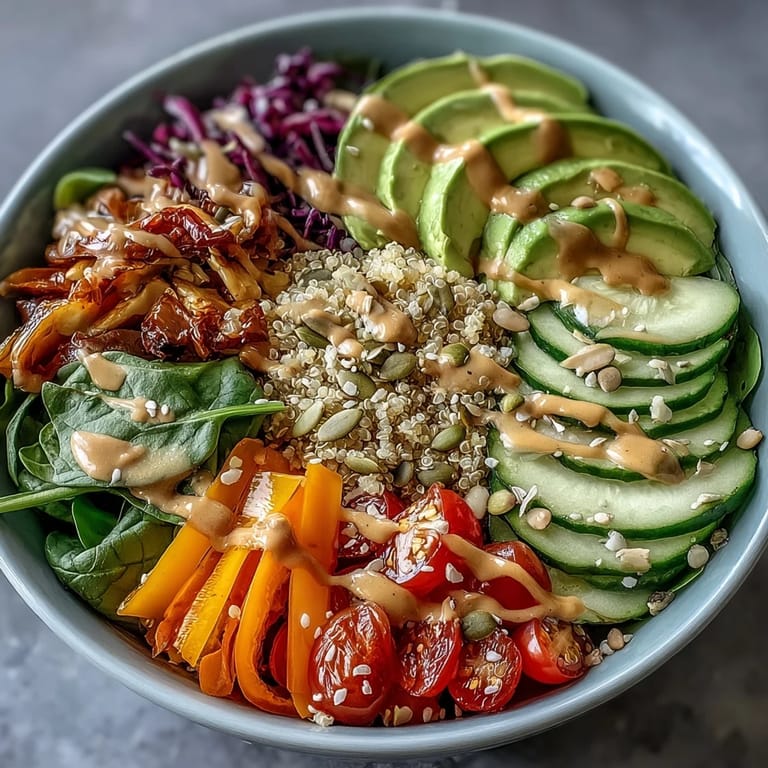
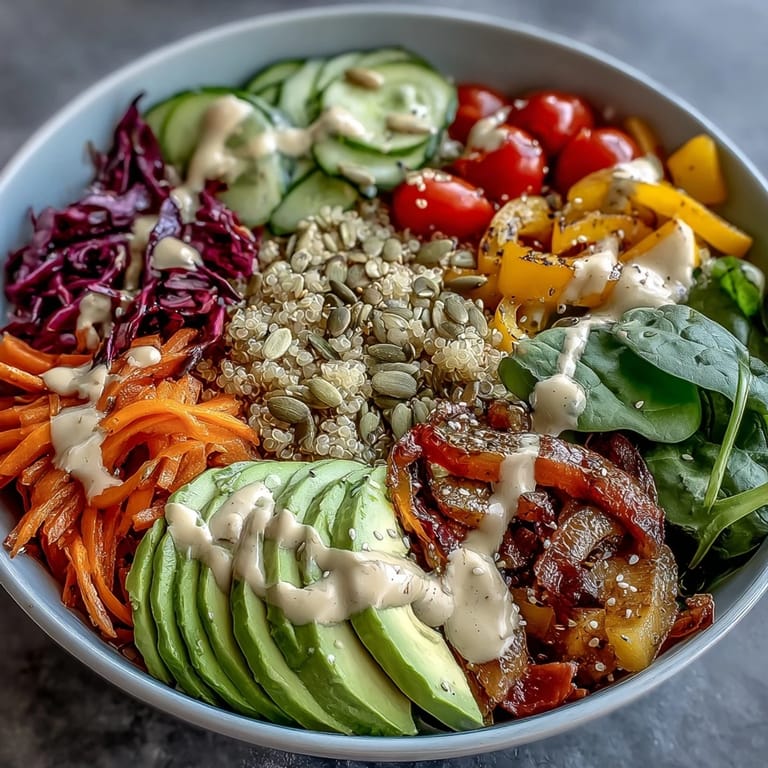
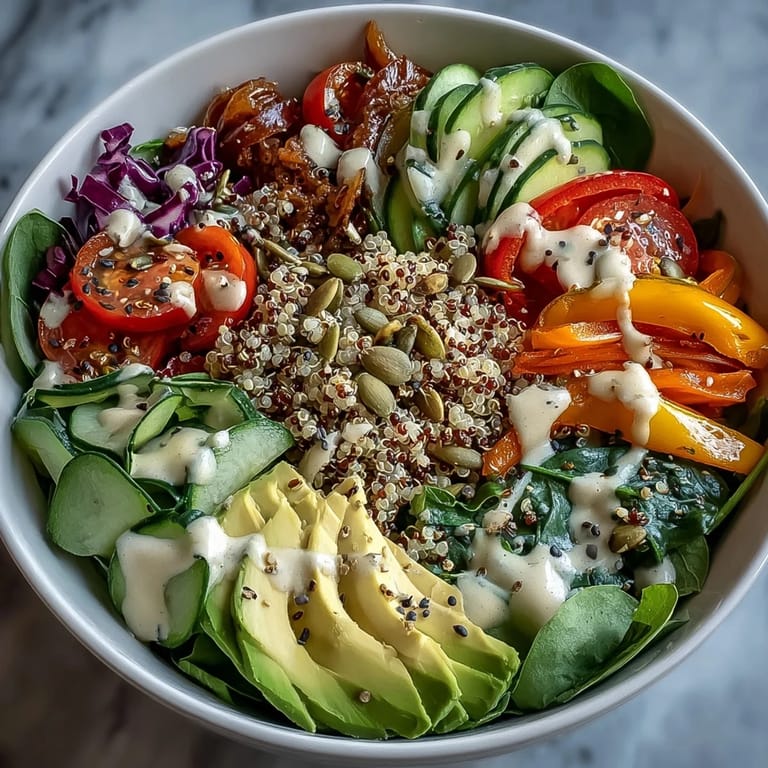
- Divide quinoa among bowls first, then arrange vegetables in colorful sections rather than mixing them—this way people get to taste each component separately and the bowl stays visually appealing. Leave room for the avocado slices you'll add just before serving.
- Dress and finish:
- Drizzle tahini dressing generously across each bowl, then scatter pumpkin and sesame seeds. The seeds add crunch that keeps the whole eating experience interesting from first bite to last.
 Save
Save My coworker brought in these bowls for a week of lunches, and by Wednesday, three other people had asked her for the recipe and started making them too. That's when it hit me that good food doesn't just nourish you, it creates little moments of connection around the office kitchen.
Making It Your Own
The beauty of this bowl is that it's a template, not a rulebook. Swap the chickpeas for grilled tofu if you want something chewier, or add roasted sweet potato chunks if you're in the mood for something heartier and slightly sweet. I've added steamed broccoli, roasted Brussels sprouts, and even leftover roasted cauliflower when that's what I had on hand. The core concept stays the same—a grain base, colorful vegetables, protein, and that incredible tahini dressing—so you can build around those pillars however you want.
Storage and Make-Ahead Wisdom
These bowls keep beautifully in the refrigerator for up to two days if you're strategic about it. Pack the quinoa, chickpeas, and vegetables separately from the avocado and dressing, and you'll open your lunch container to something that still feels fresh instead of soggy. I actually prefer prepping them this way because the vegetables stay crisp and the textures remain interesting, plus you can customize the dressing amount based on your mood that day. For the dressing, I make a batch at the start of the week and store it in a jar—it thickens slightly when cold, so just give it a good shake and add a splash of water before using.
Variations and Flavor Additions
If you want to play with the dressing, a dash of sriracha or a pinch of chili flakes transforms this into something with a spicy kick that feels completely different but equally satisfying. Sometimes I add a tiny bit of soy sauce or tamari for depth, or swap the maple syrup for agave for a subtly different sweetness. The dressing is forgiving enough that you can experiment without worrying about ruining the whole bowl, which makes it a great place to be creative and find what feels right to your palate.
- Try adding a teaspoon of sriracha or red pepper flakes directly to the tahini dressing for heat without overwhelming the other flavors.
- Roasted sweet potato or steamed broccoli adds heartiness and extra nutrients if you want a more filling meal.
- Keep the avocado in lemon juice before adding it to the bowl to prevent browning and add extra brightness.
 Save
Save This bowl has become my answer to the question of what to bring when someone asks for something nourishing and beautiful, because it's genuinely both. Make it once and you'll understand why it's worth repeating.
Recipe Questions & Answers
- → What makes this bowl Buddha style?
Buddha bowls refer to nourishing grain bowls arranged in sections, resembling the rounded belly of Buddha statues. They typically combine grains, proteins, vegetables, and healthy fats in one balanced meal.
- → Can I prepare this ahead for meal prep?
Absolutely. Store cooked quinoa and prepared vegetables in separate containers. Add avocado and dressing just before serving to maintain freshness. Everything stays fresh for 2-3 days refrigerated.
- → What other grains work in this bowl?
Brown rice, farro, bulgur, or cauliflower rice all make excellent substitutes. Adjust cooking time accordingly. Each grain brings slightly different texture and flavor to the bowl.
- → How do I customize the protein source?
Try grilled tofu, roasted tempeh, edamame, or even shredded chicken. Each option absorbs the tahini dressing beautifully while adding different nutritional benefits to your bowl.
- → What vegetables can I swap seasonally?
Roasted sweet potato, steamed broccoli, shredded beets, roasted Brussels sprouts, or fresh corn all work wonderfully. Use whatever's fresh and available for year-round variety.
- → Is the tahini dressing essential?
The tahini dressing provides rich, creamy texture that ties all components together. You could substitute with avocado dressing, lemon-herb vinaigrette, or spicy peanut sauce for different flavor profiles.