 Save
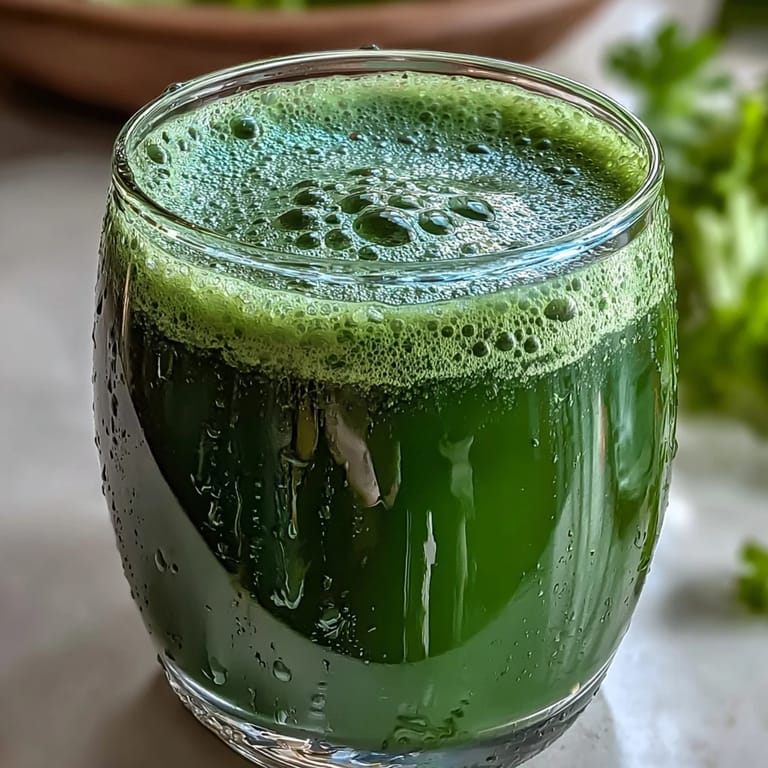
Save There's a particular Tuesday morning I'll never forget when my neighbor burst through the kitchen door looking absolutely exhausted, complaining about feeling sluggish and weighed down. She watched me grab a bunch of kale and cabbage from the fridge with purpose, and something about the way I started chopping with intention made her lean against the counter and ask what I was doing. Within minutes, the kitchen filled with this bright, peppery aroma, and by the time that first glass of vivid green juice hit the counter, she'd already pulled up a stool. That moment taught me that sometimes the simplest remedies feel like small acts of care.
I started making this juice consistently after my sister mentioned how much clearer her skin looked, and honestly, I was skeptical until I saw it myself. She'd drink it while telling me about her day, and it became this ritual we shared over video calls when she moved across the country. There's something grounding about that routine, about knowing that even though we're not in the same kitchen, we're both starting our days the same way.
Ingredients
- Green cabbage: This stuff is seriously underrated in juices, but it brings this subtle sweetness and tons of natural sulfur compounds that make your body feel reset; I learned to chop it finely so it processes smoothly.
- Kale leaves: The heavyweight champion of greens, packed with iron and minerals that actually make a difference, but make sure you remove those tough stems or they'll make your juice bitter and fibrous.
- Cucumber: Acts like a natural hydrator and keeps the whole juice from tasting too aggressive; peeling it is optional but I find it makes the juice smoother when blending.
- Celery: Brings a minerality that ties everything together, though if you have a sensitivity to it, just leave it out and add a bit more cucumber instead.
- Green apple: This is where the brightness comes from, and the natural sugars balance out the earthiness of the greens without making it cloying.
- Fresh ginger: That little piece is your secret weapon for waking up your digestive system, and trust me, a smaller piece goes a long way because fresh ginger is potent.
- Lemon juice: Adds punch and actually helps your body absorb the iron from the greens, which is why fresh-squeezed makes such a noticeable difference.
- Cold water: Only necessary if you're blending rather than juicing, and it helps break everything down without making the juice watery.
Tired of Takeout? 🥡
Get 10 meals you can make faster than delivery arrives. Seriously.
One email. No spam. Unsubscribe anytime.
Instructions
- Wash everything like you mean it:
- Give all your produce a thorough rinse under cool running water, paying extra attention to leafy greens where dirt loves to hide in the crevices. I learned this the hard way after getting that gritty texture that completely ruins the experience.
- Get your mise en place ready:
- Chop the cabbage and kale into manageable pieces, peel and chop the cucumber, slice the celery, core and chop the apple, and peel that ginger. Having everything prepped and within arm's reach makes the actual juicing or blending feel effortless.
- If you're using a juicer:
- Feed everything through in this order: cabbage, kale, cucumber, celery, apple, ginger, finishing with the lemon juice to keep things moving and maximize extraction. Stir the juice well before pouring because the lighter liquid and denser pulp separate quickly.
- If you're using a blender:
- Add the cabbage, kale, cucumber, celery, apple, ginger, lemon juice, and cold water to the pitcher and blend on high until completely smooth, about 45 seconds. Pour the mixture through a fine mesh sieve or nut milk bag if you want it silky, or leave the pulp in for extra fiber.
- Serve it right away:
- Pour over ice if you like it extra cold and drink it immediately to get all those nutrients before they start breaking down. Fresh juice is a different creature entirely from juice that's been sitting around.
 Save
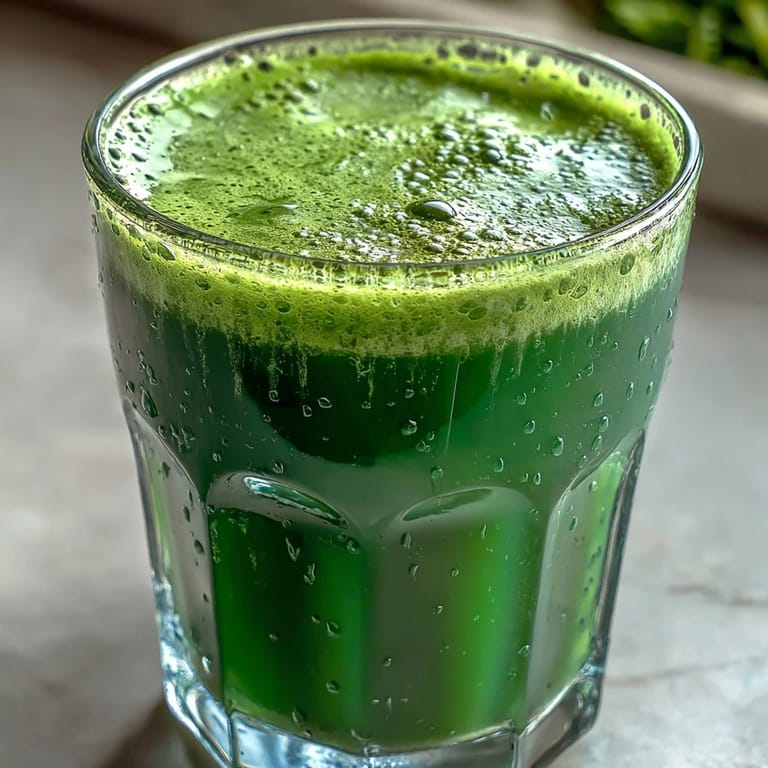
Save What strikes me most about this juice is how it bridges the gap between feeling virtuous and actually enjoying what you're drinking. I had convinced myself that healthy had to taste like punishment, but this proved that wrong on day one.
Sweetness Adjustments That Actually Work
If the green starts feeling too assertive on your palate, don't reach for honey or agave because that changes the whole point of the juice. Instead, add a half ripe pear or an extra green apple to keep everything whole-food and let the natural sugars balance the bitterness without spiking your blood sugar the way added sweeteners do.
Customizing the Flavor Profile to Your Mood
The beauty of this juice is how adjustable it is once you understand the balance; I've learned that doubling the ginger gives it an almost warming effect on sluggish mornings, while extra lemon makes it feel like a palate cleanser. Some days I add a pinch of turmeric for earthiness, other times a handful of fresh parsley for extra chlorophyll, and each version tells a different story.
What to Do With That Extra Pulp
That pulp sitting in your sieve isn't waste, it's potential, and I've found so many creative uses that now I actually look forward to it. Stir it into oatmeal, fold it into smoothie bowls, mix it into soups for body and texture, or honestly just compost it knowing you extracted maximum nutrition from your produce.
- Add leftover pulp to vegetable broths for deeper flavor and retained nutrients.
- Freeze pulp in ice cube trays and add to future smoothies for texture and nutrition.
- Incorporate into plant-based burger patties or veggie fritters for binding and moisture.
 Save
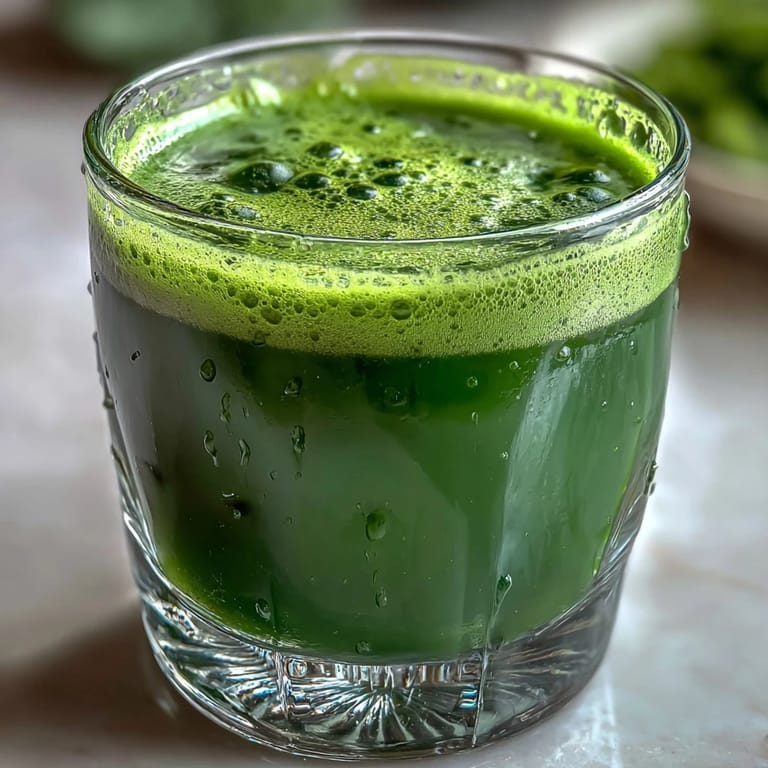
Save This juice has become my reset button, that one thing I return to when everything feels off-balance. It's proof that taking care of yourself can be quick, delicious, and genuinely transformative.
Recipe Questions & Answers
- → Can I make this without a juicer?
Yes, a high-powered blender works perfectly. Blend all ingredients with the optional water, then strain through a fine mesh sieve or nut milk bag to remove pulp for a smooth consistency.
- → How long does the juice stay fresh?
For maximum nutrients and flavor, drink immediately after preparation. If needed, store in an airtight container in the refrigerator for up to 24 hours, though some nutrient loss occurs over time.
- → What can I do with the leftover pulp?
The fiber-rich pulp can be added to smoothies for extra texture, mixed into oatmeal, used in veggie burger patties, or simply composted to nourish your garden.
- → Is this suitable for daily consumption?
Yes, this drink makes an excellent daily addition to a balanced diet. The ingredients are gentle and provide essential nutrients. Start with smaller portions if new to juicing and gradually increase serving size.
- → Can I substitute the vegetables?
Spinach or Swiss chard can replace kale, while other cruciferous vegetables like broccoli or bok choy work instead of cabbage. Maintain roughly equal proportions for balanced flavor and nutrition.