 Save
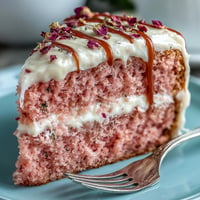
Save The first blood oranges showed up at the market in late January, their deep crimson flesh almost startling against the gray winter sky. I bought six on a whim, not quite sure what I'd do with them, and by the time I got home, the idea of a yogurt cake had already taken shape. I'd been baking with Greek yogurt for years, but never with citrus this bold. The batter turned the palest blush pink, and the kitchen smelled like sunshine trapped in a bowl.
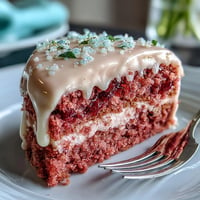
I made this for a friend's book club gathering, where dessert is always an afterthought until someone shows up with something homemade. The moment I set it on the table, conversation paused. Someone asked if it was a fancy bakery cake, and I just smiled and sliced into that tender, sunset-colored crumb. By the end of the night, there wasn't even a smear of icing left on the plate.
Ingredients
- All-purpose flour: The foundation that gives structure without weighing down the delicate citrus notes, sift it if you want extra lightness.
- Baking powder: Fresh baking powder is non-negotiable here, old stuff won't give you that beautiful rise.
- Salt: Just a pinch to balance the sweetness and make the orange flavor pop forward.
- Plain Greek yogurt: Full-fat works best for richness, but low-fat will still deliver a tender crumb.
- Granulated sugar: Whisked with the yogurt, it dissolves into a silky base that holds everything together.
- Eggs: Room temperature eggs blend smoothly and create a more even batter, cold eggs can cause the coconut oil to seize.
- Blood orange zest: This is where the magic lives, packed with fragrant oils that perfume every bite.
- Blood orange juice: Freshly squeezed is the only way, bottled juice tastes flat and loses that floral edge.
- Vanilla extract: A whisper of warmth that rounds out the citrus without competing.
- Coconut oil: Melted and cooled, it adds moisture and a subtle tropical undertone that plays beautifully with the orange.
- Powdered sugar: Sifted for a smooth, pourable icing that sets glossy and sweet.
Tired of Takeout? 🥡
Get 10 meals you can make faster than delivery arrives. Seriously.
One email. No spam. Unsubscribe anytime.
Instructions
- Prep Your Pan:
- Preheat your oven to 350°F and generously butter and flour a 9x5-inch loaf pan, making sure every corner is coated. I like to line the bottom with parchment for foolproof release.
- Mix the Dry Ingredients:
- Whisk together the flour, baking powder, and salt in a medium bowl until evenly distributed. Set it aside while you work on the wet ingredients.
- Blend Yogurt and Sugar:
- In a large bowl, whisk the Greek yogurt and granulated sugar together until the mixture is smooth and creamy. It should look almost like frosting at this stage.
- Add Eggs and Citrus:
- Whisk in the eggs one at a time, letting each one incorporate fully before adding the next. Stir in the blood orange zest, juice, and vanilla until the batter smells like a citrus grove.
- Fold in the Dry Ingredients:
- Gently fold the flour mixture into the wet ingredients using a spatula, stirring just until no streaks remain. Overmixing will make the cake dense, so stop as soon as it comes together.
- Incorporate the Coconut Oil:
- Pour in the melted, cooled coconut oil and fold gently until it's fully blended into the batter. The batter will turn silky and glossy.
- Bake the Cake:
- Pour the batter into your prepared pan, smooth the top with a spatula, and bake for 50 minutes. A toothpick inserted in the center should come out clean or with just a few moist crumbs.
- Cool Completely:
- Let the cake cool in the pan for 10 minutes, then turn it out onto a wire rack to cool completely. Rushing this step will make the icing slide right off.
- Make the Icing:
- Whisk together the powdered sugar, blood orange juice, and zest until smooth and pourable. If it's too thick, add a teaspoon of juice at a time until it drizzles easily.
- Ice and Set:
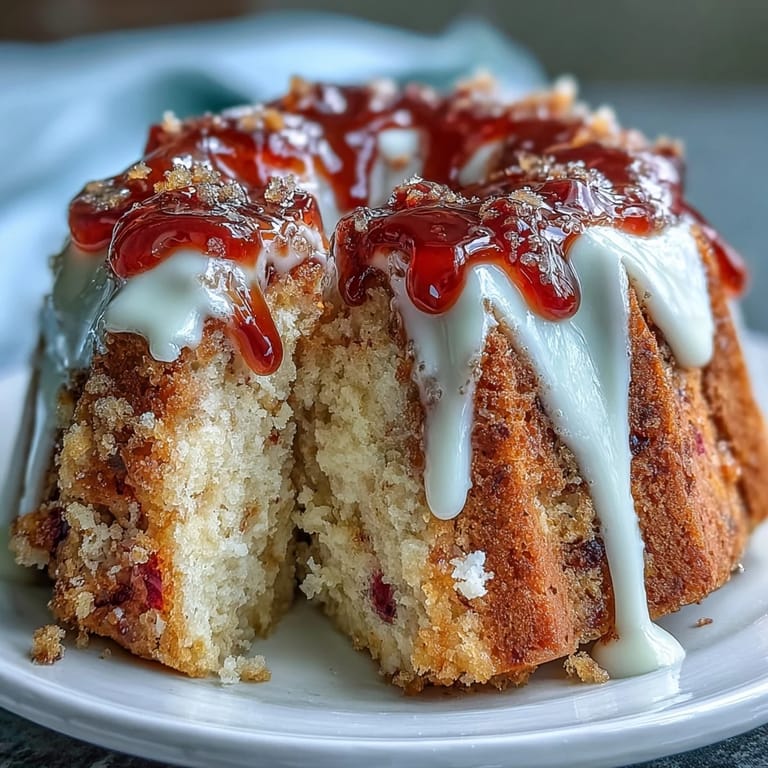
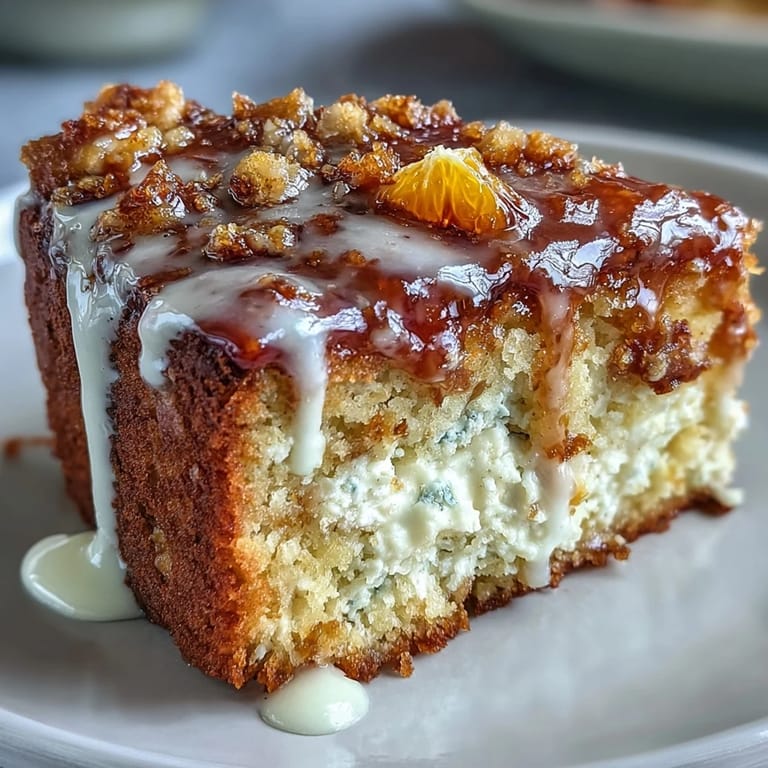
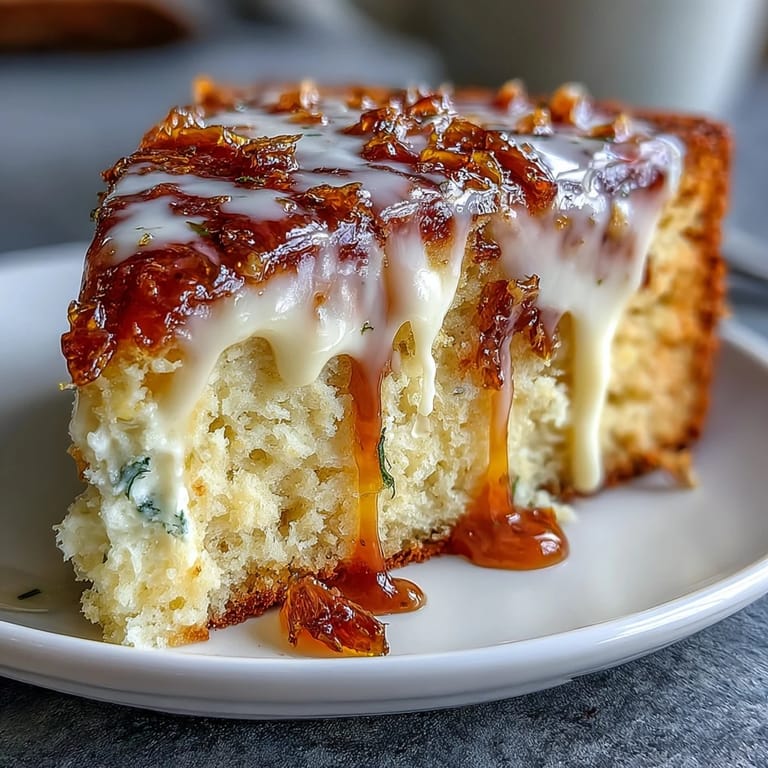
- Drizzle the icing over the cooled cake, letting it cascade down the sides in glossy ribbons. Let it set for at least 20 minutes before slicing so the icing firms up beautifully.
 Save
Save There's something almost ceremonial about slicing into this cake after it's fully set. The icing cracks gently under the knife, revealing that soft, citrus-scented crumb underneath. I've served this at brunches, brought it to potlucks, and eaten it alone at the kitchen counter with my morning coffee. Every time, it feels like a small celebration.
Choosing Your Citrus
Blood oranges have a short season, usually January through March, and their flavor is sweeter and more complex than regular oranges. If you can't find them, Cara Cara oranges are a lovely substitute with a similar blush color and mild sweetness. Regular navel oranges will work in a pinch, but you'll lose that beautiful ruby hue and floral note. I once tried Meyer lemons instead and ended up with a tangy, aromatic variation that was equally delicious.
Storing and Serving
This cake stays moist at room temperature for up to two days if you cover it loosely with foil or a cake dome. After that, I move it to the fridge, where it keeps beautifully for another three or four days. The texture actually improves slightly after a day, as the flavors meld and the crumb settles. Serve it plain, with a dollop of whipped cream, or alongside fresh raspberries for a little tartness.
Swaps and Tweaks
If you're not a fan of coconut oil, melted unsalted butter works just as well and adds a richer, more traditional flavor. I've also swapped in olive oil for a savory, fruity undertone that pairs beautifully with the citrus. For a lighter icing, try mixing Greek yogurt with powdered sugar and a splash of blood orange juice instead of the traditional glaze. You can even fold in poppy seeds or candied orange peel for extra texture and visual interest.
- Add a tablespoon of blood orange juice to the icing for a more intense citrus flavor.
- Fold in a handful of fresh blueberries or raspberries for bursts of tartness.
- Dust the top with powdered sugar instead of icing for a more rustic look.
 Save
Save This cake has become my go-to whenever I want something that looks impressive but doesn't require much fuss. It's bright, beautiful, and always tastes like a little piece of winter sunshine.
Recipe Questions & Answers
- → What makes blood oranges special in baking?
Blood oranges bring a unique raspberry-like tang and stunning crimson hue that regular oranges can't match. Their seasonal availability (December through March) makes them particularly special for winter and early spring baking.
- → Can I use regular oranges instead?
Yes, though you'll miss the distinctive color and subtle berry notes. Navel or Valencia oranges work well as substitutes—the cake will still be delicious with a classic bright citrus flavor.
- → How do I know when the cake is done?
Insert a toothpick into the center—if it comes out clean or with just a few moist crumbs, the cake is ready. The top should be golden and spring back lightly when touched.
- → Why does this cake use Greek yogurt?
Greek yogurt adds moisture and creates a tender crumb while providing structure. Its slight tang beautifully complements the blood orange flavors, and the protein helps the cake stay fresh longer.
- → Can I make this ahead of time?
Absolutely! The cake actually develops deeper citrus flavor after sitting for a day. Store covered at room temperature for 2 days or refrigerate for up to 5 days—add the icing just before serving for the freshest appearance.
- → What's the best way to get the most zest from blood oranges?
Use a microplane or fine zester to remove just the colorful outer layer, avoiding the bitter white pith beneath. One medium blood orange typically yields about 1 tablespoon of fragrant zest.