 Save
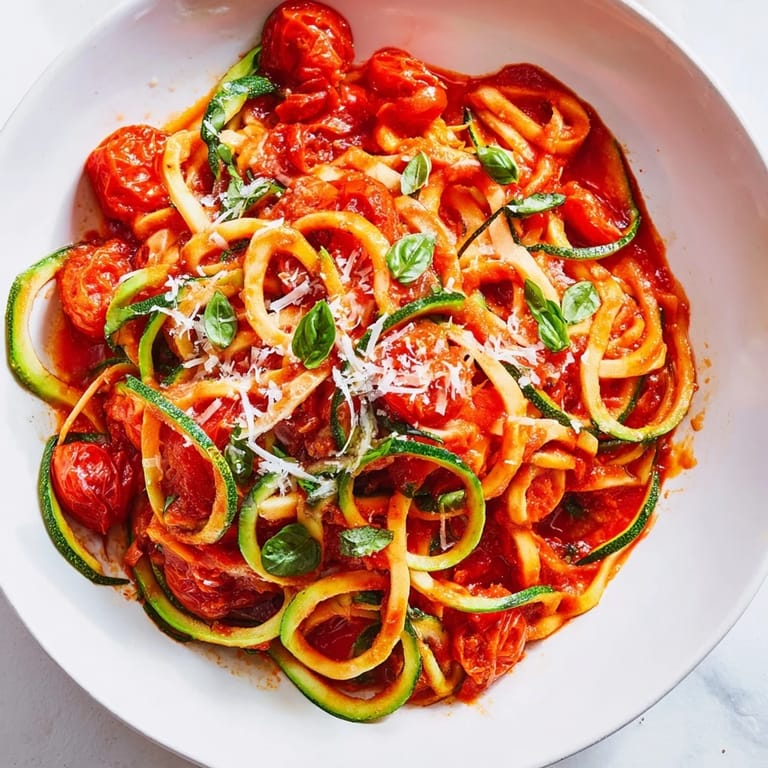
Save My spiralizer sat in the cupboard for months before I finally pulled it out on a hot July evening when the thought of boiling pasta felt impossible. The zucchini from my neighbor's garden had been piling up, and I was skeptical that vegetable noodles could ever satisfy like the real thing. But that first twirl of garlicky, tomato-coated zoodles changed everything. They were light but substantial, fresh but comforting, and I finished the entire bowl standing at the counter. Since then, zucchini noodles have become my go-to whenever I want something quick, bright, and endlessly adaptable.
I made these zoodles for my sister when she visited last spring, convinced she'd miss regular pasta. She was doubtful at first, eyeing the spiralized vegetables with suspicion. But after one bite of the creamy avocado pesto version, she went quiet, then asked for seconds. We sat on the porch with our bowls, the evening sun filtering through the trees, and she admitted she didn't miss the pasta at all. That's when I knew this recipe was a keeper.
Ingredients
- Zucchini: Choose firm, medium-sized zucchini rather than giant ones, which tend to be watery and full of seeds that make your noodles soggy.
- Olive oil: Use a good quality oil since it carries so much of the flavor, especially in the pesto where it blends directly into the sauce.
- Cherry tomatoes: Their natural sweetness concentrates beautifully when sautéed, creating a sauce that clings perfectly to the noodles without any cream or starch.
- Avocado: Must be perfectly ripe, yielding to gentle pressure but not mushy, or your pesto will taste flat and lack that silky texture.
- Fresh basil: The backbone of both sauces, so use fresh leaves rather than dried, which can't replicate that bright, peppery sweetness.
- Pine nuts or walnuts: Toast them lightly first if you have time, it brings out a nutty richness that makes the pesto taste restaurant-quality.
- Garlic: Fresh cloves only, minced finely so they melt into the sauce and perfume everything without overpowering the delicate zucchini.
- Lemon juice: Brightens the avocado pesto and keeps it from browning, while adding a subtle tang that balances the richness.
- Parmesan or feta: Optional but highly recommended, adding a salty, umami punch that makes each bite more interesting.
Tired of Takeout? 🥡
Get 10 meals you can make faster than delivery arrives. Seriously.
One email. No spam. Unsubscribe anytime.
Instructions
- Prep the zucchini:
- Spiralize your zucchini into noodles, then let them sit in a colander with a light sprinkle of salt for about ten minutes. This draws out excess moisture that would otherwise make your dish watery, and patting them dry with paper towels afterward ensures they sauté beautifully instead of steaming.
- Sauté the noodles:
- Heat olive oil in a large skillet over medium heat and add the dried zucchini noodles, tossing gently for just two to three minutes. You want them barely tender with a slight bite, not limp or mushy, so watch them closely and remove from heat as soon as they soften.
- Make the tomato basil sauce:
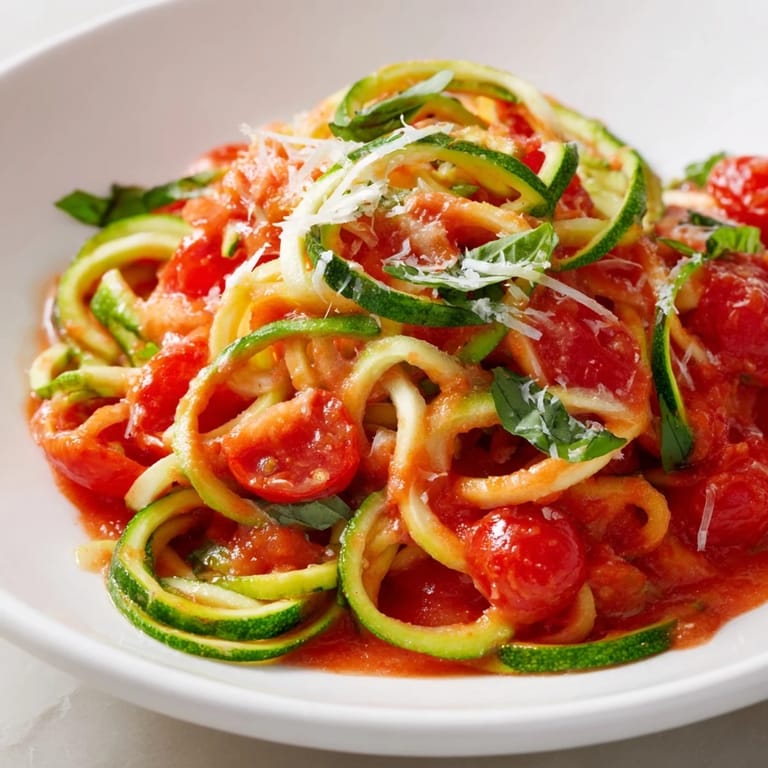
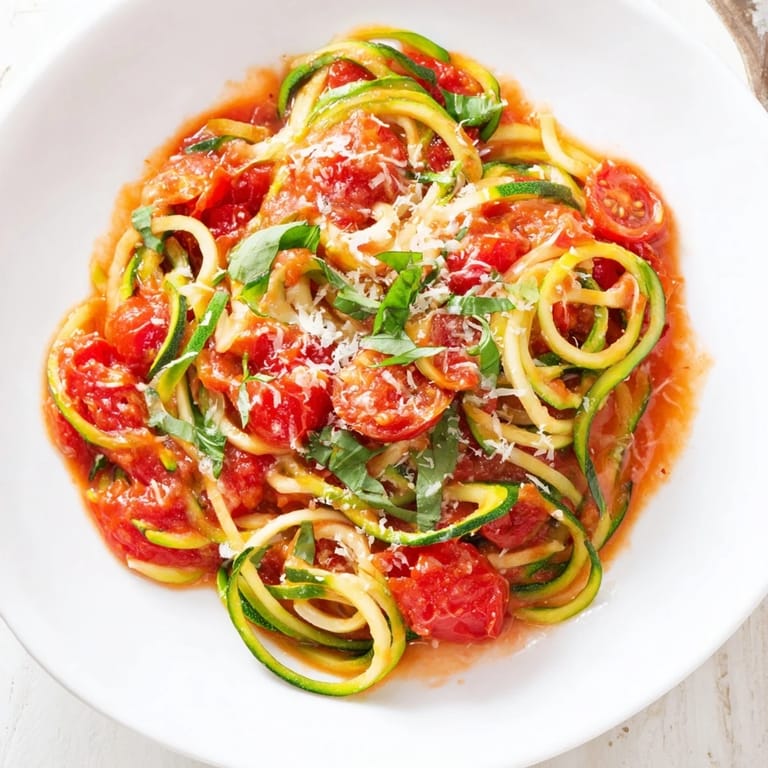
- In the same skillet or a separate one, heat olive oil and sauté minced garlic until fragrant, about thirty seconds. Add halved cherry tomatoes and cook until they burst and soften into a chunky sauce, then stir in fresh basil, salt, and pepper.
- Blend the avocado pesto:
- Combine avocado, basil, nuts, garlic, lemon juice, and olive oil in a food processor and blend until completely smooth and creamy. Taste and adjust seasoning, adding more lemon if it needs brightness or salt if it tastes flat.
- Combine and serve:
- Toss the warm zucchini noodles with your chosen sauce, dividing between plates immediately. Top with Parmesan, pine nuts, sun-dried tomatoes, feta, or red pepper flakes, and serve right away while everything is fresh and vibrant.
 Save
Save One quiet weeknight, I made a double batch of the tomato version and brought some to my elderly neighbor who had just come home from the hospital. She called the next morning to say it was the first meal in weeks that didn't feel heavy or bland. Her voice was so grateful it made me tear up a little. That's when I realized these simple zucchini noodles were more than just a dinner shortcut, they were a way to care for people without overwhelming them.
Choosing Your Sauce
The beauty of zoodles is how they adapt to whatever flavor mood you're in. The tomato basil version is bright and classic, perfect when you want something light but familiar, and it reheats better than the pesto if you have leftovers. The avocado pesto, on the other hand, is richer and more indulgent, with a creamy texture that feels luxurious without any dairy. I usually keep both options in rotation, leaning toward tomato in the summer when basil and tomatoes are everywhere, and avocado in the fall when I crave something more substantial.
Boosting the Protein
While zoodles are satisfying on their own, adding protein turns them into a complete meal that keeps you full for hours. I've topped them with everything from grilled chicken and sautéed shrimp to crispy chickpeas and crumbled tempeh, and each version feels like a different dish entirely. My favorite quick addition is pan-seared shrimp tossed with garlic and lemon, which cooks in the same time it takes to prep the zoodles. If you're vegetarian, try tossing in white beans or serving alongside a soft-boiled egg with a jammy yolk that mixes into the sauce.
Storage and Meal Prep
Zucchini noodles are best enjoyed fresh, but you can spiralize them up to two days ahead if you store them properly. Keep the raw noodles in an airtight container lined with paper towels to absorb moisture, and don't salt them until you're ready to cook, or they'll release too much water in the fridge. The sauces can be made a day or two in advance, though the avocado pesto should be stored with plastic wrap pressed directly onto the surface to prevent browning.
- Store cooked zoodles separately from sauce to prevent sogginess, then toss together when reheating or serving cold.
- Freeze the tomato basil sauce in individual portions for quick weeknight meals, thawing and heating while you spiralize fresh zucchini.
- Pack zoodles and sauce separately in lunch containers with toppings on the side, then combine just before eating for maximum freshness.
 Save
Save These zucchini noodles have become my answer to so many situations, quick lunches, light dinners, surprise guests, and those nights when I just need something easy and good. They remind me that the best meals don't have to be complicated, just made with care and eaten with people you love.
Recipe Questions & Answers
- → How do I prevent zucchini noodles from becoming soggy?
Spiralize the zucchini and place in a colander, then salt lightly and let sit for 10 minutes to release excess moisture. Pat completely dry with paper towels before cooking. Keep the sauté time brief—just 2-3 minutes over medium heat—to maintain a tender but firm texture.
- → Can I make the avocado pesto ahead of time?
While fresh pesto tastes best when prepared just before serving, you can make it up to 2 hours ahead. Store in an airtight container and press plastic wrap directly onto the surface to prevent browning. Add a squeeze of fresh lemon juice just before serving.
- → What protein options pair well with zucchini noodles?
Grilled chicken breast, sautéed shrimp, pan-seared salmon, roasted chickpeas, or crumbled tofu all complement these dishes beautifully. Add about 3-4 ounces of protein per serving for a more substantial main course.
- → How can I make this dish nut-free?
Substitute sunflower seeds or pumpkin seeds for pine nuts in the pesto. Use sunflower seed butter or tahini as an alternative base. Omit nuts from toppings and verify all other ingredients are processed in nut-free facilities if you have severe allergies.
- → What other sauce options work with zucchini noodles?
Try classic marinara, spicy peanut sauce, garlic-lemon drizzle, Thai coconut curry sauce, or a simple aglio e olio with red pepper flakes. The mild flavor of zucchini noodles pairs well with bold, aromatic sauces.
- → Is this suitable for meal prep?
Prepare zucchini noodles and sauces separately and store in airtight containers for up to 3 days. Keep toppings separate until serving to prevent sogginess. Combine and serve cold as a noodle salad or reheat gently if preferred.