 Save
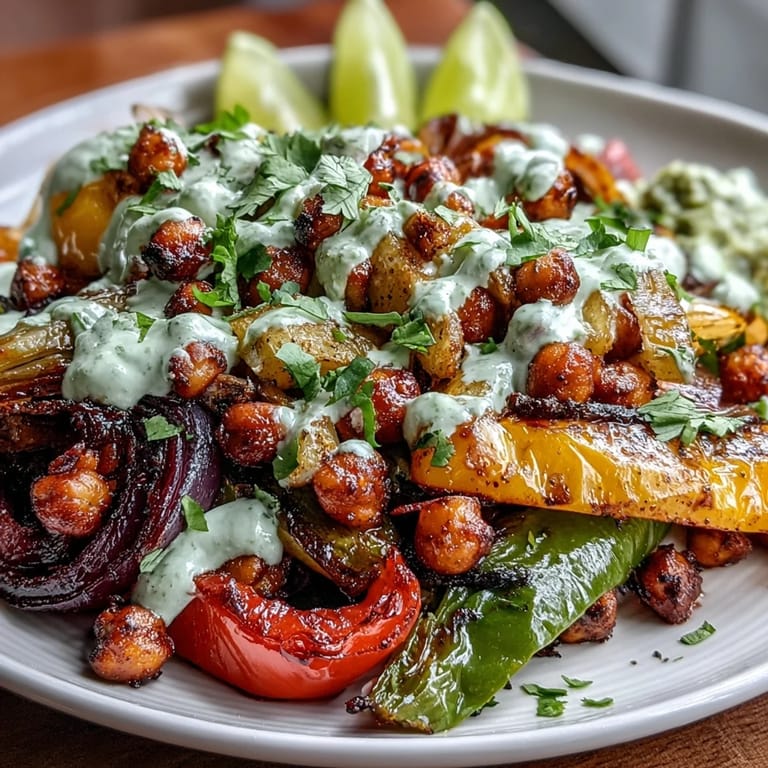
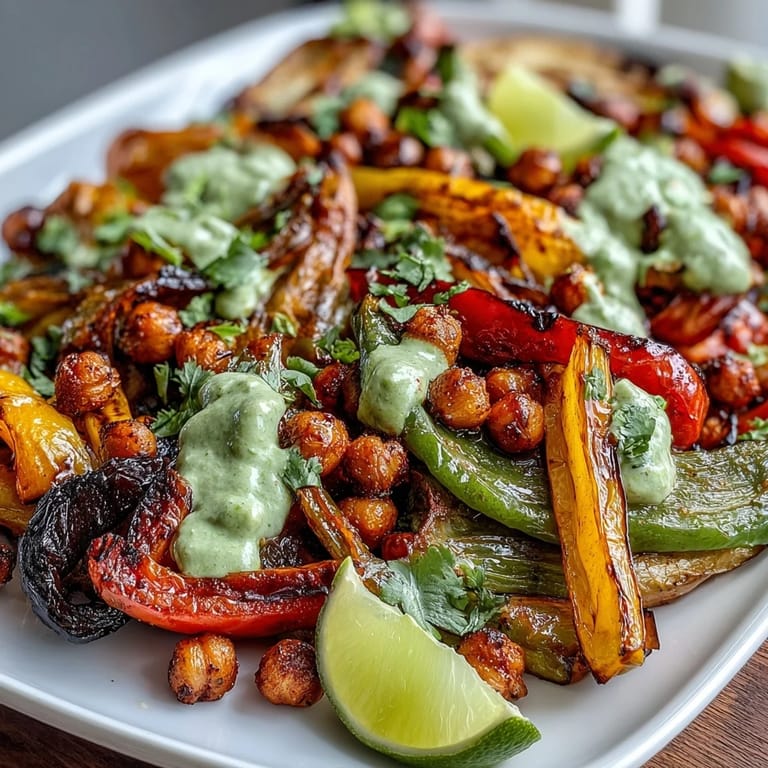
Save My sister called me mid-afternoon asking what was for dinner, and I realized I'd been staring at a pile of bell peppers on my counter for two days. Instead of the usual pan-frying routine, I threw everything on a sheet and let the oven do the work while I actually sat down. Twenty-five minutes later, the kitchen smelled like a taco stand, and she showed up to find these caramelized, almost-charred vegetables that tasted way better than they had any right to. That's when sheet pan fajitas became my answer to "what's quick but feels special."
I made this for a weeknight when my roommate's friend tagged along unexpectedly, and instead of panicking, I just doubled the sheet pan. Watching someone genuinely surprised that a vegetarian dinner could be this flavorful and fun—that moment stuck with me. Now whenever I'm uncertain about feeding people, this is my quiet confidence builder.
Ingredients
- Red, yellow, and green bell peppers: Buy them firm and bright; they'll caramelize differently and give you those gorgeous charred edges that make the dish taste restaurant-quality.
- Large red onion: Slice thick enough that pieces don't disappear into the pan but thin enough to cook through in time.
- Zucchini: Cut into half-moons so they cook at the same rate as everything else and don't turn mushy.
- Cherry tomatoes: Halving them keeps them from rolling around and lets the heat get inside to burst them slightly.
- Canned chickpeas: Drain and rinse thoroughly; this removes the starchy liquid and gives you better browning.
- Olive oil: Use something you'd actually taste, not the super cheap bottle—it's your base flavor.
- Smoked paprika and chili powder: These are non-negotiable; they're what make it taste like fajitas instead of just roasted vegetables.
- Greek yogurt: The tanginess cuts through the richness of avocado and adds a creamy texture that feels luxurious.
- Fresh avocado: Wait until it yields gently to pressure; underripe tastes bitter, overripe turns brown in minutes.
Tired of Takeout? 🥡
Get 10 meals you can make faster than delivery arrives. Seriously.
One email. No spam. Unsubscribe anytime.
Instructions
- Get your oven ready and prep your pan:
- Heat the oven to 425°F and line a large sheet pan with parchment or foil—this saves you from scrubbing char off later. If you skip this step, you're making extra work for yourself, and trust me, you won't want to.
- Season and toss everything together:
- In a large bowl, combine all your prepped vegetables and drained chickpeas, then drizzle with olive oil and add all the fajita seasoning at once. Toss until every piece is coated; this is where the flavor happens, not in the oven.
- Spread on the pan and let heat do the work:
- Roast until caramelized:
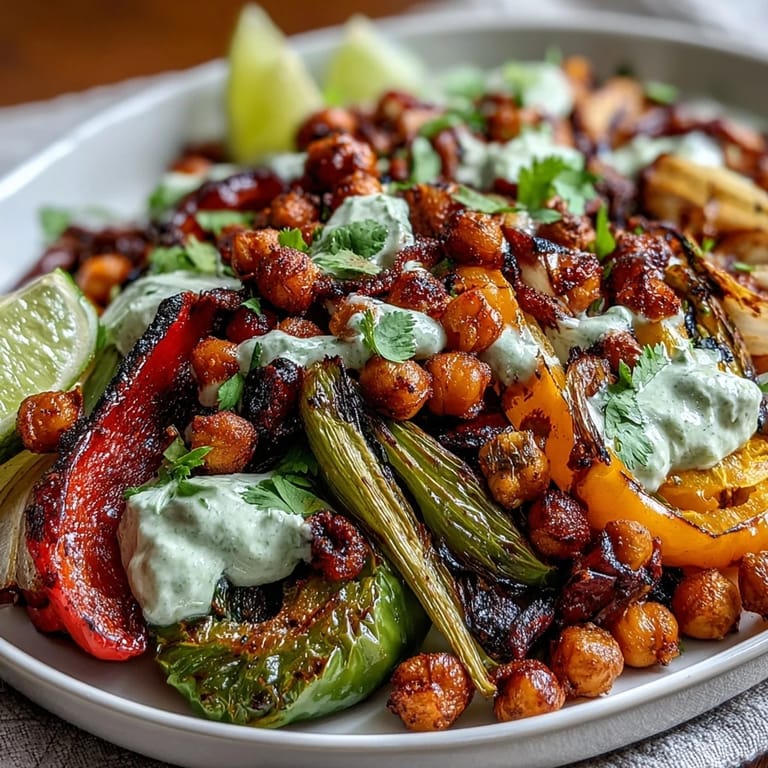
- Spread everything in a single layer—crowding the pan means steaming instead of browning, so give things space. After about 12 minutes, give everything a stir to flip pieces over, then let it cook another 12–13 minutes until the edges start to char and the onions turn golden.
- Make the creamy drizzle while things roast:
- Mash your avocado in a small bowl until mostly smooth, then fold in the yogurt, lime juice, minced garlic, cilantro, and salt. Taste it—you might want an extra pinch of salt or squeeze of lime juice depending on your avocado.
- Warm your tortillas:
- While the last bit of roasting happens, warm tortillas in a dry skillet or wrapped in foil in the oven. Warm tortillas are the difference between these feeling special or feeling like leftover tacos.
- Assemble and serve:
- Lay out a tortilla, fill with a generous handful of roasted vegetables and chickpeas, then drizzle that guac yogurt sauce on top with abandon. Top with fresh cilantro and a squeeze of lime, then eat immediately before the tortilla gets soggy.
 Save
Save There's something about watching someone take that first bite, see all the color, taste that balance of smoky and creamy and bright—it's the moment cooking feels less like following instructions and more like creating something that actually matters. That's what keeps me coming back to this one.
Why This Tastes Like Restaurant Food at Home
Sheet pan cooking is magic because the high heat creates pockets of concentration—vegetables touch the hot surface and caramelize while steam from the moisture creates texture contrast. The chickpeas essentially toast themselves, which sounds simple but changes everything about how satisfying they taste. Most home cooking skips this step because it feels like overkill, but it's the one thing separating this from steamed vegetables with seasoning.
Customizing Without Losing the Plot
I've tried swapping in mushrooms, sweet potato, and even brussels sprouts, and the formula stays solid as long as you respect the cooking time. Denser vegetables like sweet potato need a longer roast, so cut them smaller or start them 5 minutes early. The beauty here is that the seasoning blend works with almost anything that can handle high heat, so you're never trapped by what's in your crisper drawer.
Making It Work for Everyone at Your Table
This dish slides beautifully between dietary needs in a way that doesn't feel like compromise. Swap Greek yogurt for a plant-based version and corn tortillas for gluten-free ones, and no one at the table is eating "the diet version." It's just genuinely good food, and that matters more than you'd think when you're cooking for mixed tables.
- Double the recipe on Sunday and you've got fajita bowls for three lunches—skip the tortillas and throw these over rice or salad.
- If someone wants protein, sliced tofu roasted on the same pan or grilled chicken pulled on top works without changing anything else about the dish.
- Keep the components separate if you're feeding kids who haven't decided they like cilantro yet; let them assemble their own and choose what goes on.
 Save
Save This recipe lives in my rotation because it delivers that feeling of "I cooked something good" without the production of more complicated dishes. It's become my answer when I want to eat well but don't want cooking to take over my evening.
Recipe Questions & Answers
- → Can I make this dish gluten-free?
Yes, just use gluten-free tortillas or serve it without tortillas to keep it gluten-free.
- → What can I use instead of Greek yogurt in the drizzle?
You can substitute with a dairy-free yogurt alternative to make the drizzle vegan-friendly.
- → Can I add protein to this dish?
Grilled chicken or tofu can be added for extra protein and heartiness.
- → How can I adjust the spice level?
Omit or reduce the cayenne pepper to lower heat, or add extra chili powder for more spice.
- → What vegetables can I swap in this dish?
Mushrooms, sweet potatoes, or other seasonal veggies can be roasted instead of or alongside the original vegetables.