 Save
Save My neighbor Marco handed me a bottle of homemade Limoncello one September afternoon, insisting I do something special with it instead of just sipping it straight. I'd been baking the same old vanilla cake for years, so I decided to pivot entirely—why not let that bright, boozy lemon take center stage? The first bite proved Marco was onto something; the cake was impossibly tender, zingy without being harsh, and suddenly spring desserts made sense even in autumn.
I brought this cake to a garden party last spring where three generations were sitting on a patio, and watching my mother-in-law taste it first was the moment I knew it was a keeper. She closed her eyes, took another bite without saying anything, then just smiled and asked if I'd made it with love. That's the thing about this cake—it somehow tastes like effort and joy mixed together.
Ingredients
- All-purpose flour (2 ½ cups): The foundation that keeps everything tender; don't sift unless your flour is clumpy from humidity.
- Baking powder (2 tsp): This gives you that light crumb structure without making the cake cakey or dry.
- Salt (½ tsp): A small amount that makes the lemon flavor pop louder than you'd expect.
- Unsalted butter (1 cup, softened): Room temperature is non-negotiable here—cold butter won't cream properly and you'll miss the air pockets that make this cake tender.
- Granulated sugar (2 cups): The creaming process with butter creates the structure that keeps this cake moist for days.
- Large eggs (4, room temperature): Cold eggs won't emulsify properly with the butter, so pull them out of the fridge at least 30 minutes before baking.
- Lemon zest (1 tbsp, finely grated): This is where the floral, bright note lives; use a microplane for tiny pieces that dissolve into the batter.
- Fresh lemon juice (¼ cup): Adds both acidity and moisture, but always strain it to catch any pulp or seeds.
- Limoncello liqueur (⅓ cup): The soul of this cake; the alcohol bakes off and leaves behind pure lemon essence with a whisper of complexity.
- Pure vanilla extract (1 tsp): Don't skip this—it rounds out the brightness and prevents the lemon from feeling one-dimensional.
- Whole milk, room temperature (½ cup): The alternating technique with flour keeps the batter smooth without overdeveloping gluten.
- Powdered sugar (1 ½ cups, sifted): Sifting removes lumps so your glaze is silky, not gritty.
- Fresh lemon juice for glaze (2–3 tbsp): Start with 2 tbsp and add more until you get that pourable consistency you want.
- Limoncello for glaze (1 tbsp, optional): This deepens the flavor if you have it on hand, but fresh lemon juice alone works beautifully.
- Lemon zest for garnish (1 tsp): A final flourish that catches light and reminds people what they're about to taste.
Tired of Takeout? 🥡
Get 10 meals you can make faster than delivery arrives. Seriously.
One email. No spam. Unsubscribe anytime.
Instructions
- Prep your pan and preheat:
- Get your oven to 350°F and grease that Bundt pan thoroughly—butter every crevice, then dust with flour so the cake releases without drama. If you're using a loaf pan instead, that works too, just plan for slightly different baking time.
- Dry ingredients ready:
- Whisk the flour, baking powder, and salt together in a medium bowl and set it aside. This step prevents lumps and distributes the leavening evenly throughout your batter.
- Cream butter and sugar:
- Beat the softened butter and sugar for 3 to 4 minutes until it's pale, fluffy, and roughly the texture of wet sand. You're aerating the butter here, which is what makes this cake tender instead of dense.
- Add eggs carefully:
- Drop each egg in one at a time, beating for 30 seconds or so between additions so everything emulsifies properly. This takes patience, but rushing it can break the emulsion and give you a grainy batter.
- Mix in the lemon and Limoncello:
- Stir in the lemon zest, lemon juice, Limoncello, and vanilla extract until just combined. The batter might look slightly curdled at this point—that's totally normal and will smooth out once you add the flour.
- Alternate flour and milk:
- Add about one-third of the flour mixture, stir until combined, then add half the milk, stir, then another third of flour, the rest of the milk, and finally the last of the flour. This keeps the batter from becoming overworked while still incorporating everything evenly.
- Pour and smooth:
- Transfer the batter to your prepared pan and gently smooth the top with a spatula so it bakes evenly. Don't tap the pan on the counter or you'll release all those precious air bubbles.
- Bake until golden:
- Bake for 50 to 55 minutes, checking at the 50-minute mark by inserting a toothpick into the center—it should come out clean with maybe a few moist crumbs. If it's still wet batter on the toothpick, give it 5 more minutes.
- Cool in the pan:
- Let the cake rest in the pan for 15 minutes so it sets enough to flip without breaking, then invert it onto a wire rack to cool completely. This usually takes another 30 to 45 minutes depending on your kitchen temperature.
- Make the glaze:
- Whisk together the powdered sugar, lemon juice, optional Limoncello, and zest until it's smooth and pourable like thick cream. If it's too thick, add more lemon juice a teaspoon at a time.
- Glaze and let set:
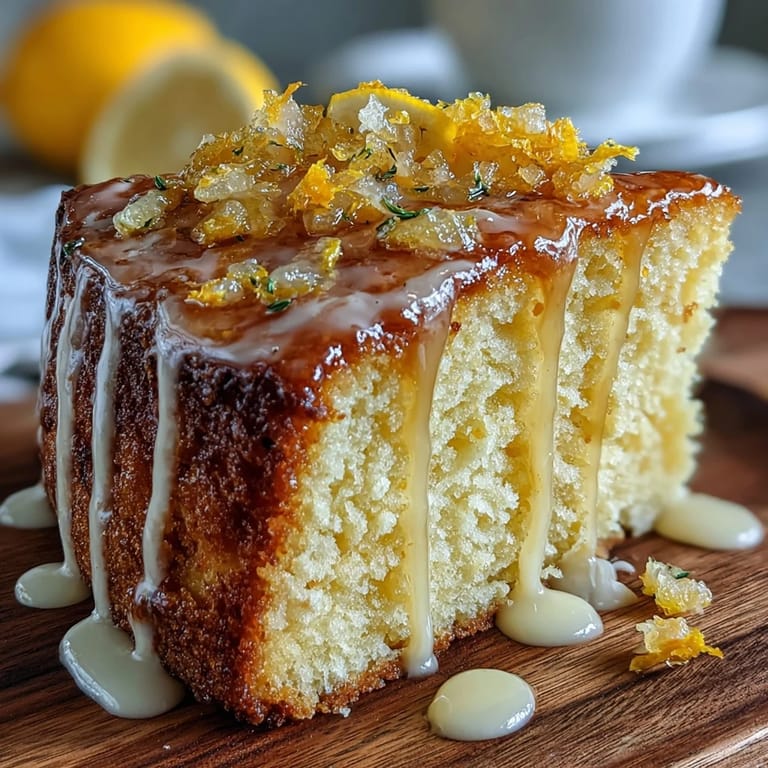
- Drizzle the glaze over the completely cooled cake and let it sit for at least 15 minutes so it firms up slightly before slicing. This prevents it from running off the cake the moment you cut into it.
 Save
Save What struck me most was when my eight-year-old cousin asked if she could have another slice even though she'd already eaten one—that's when I realized this wasn't just a good cake, it was the kind that makes people slow down and actually enjoy dessert instead of rushing through it. The brightness of the lemon somehow makes it feel special without being fussy.
Choosing Your Pan
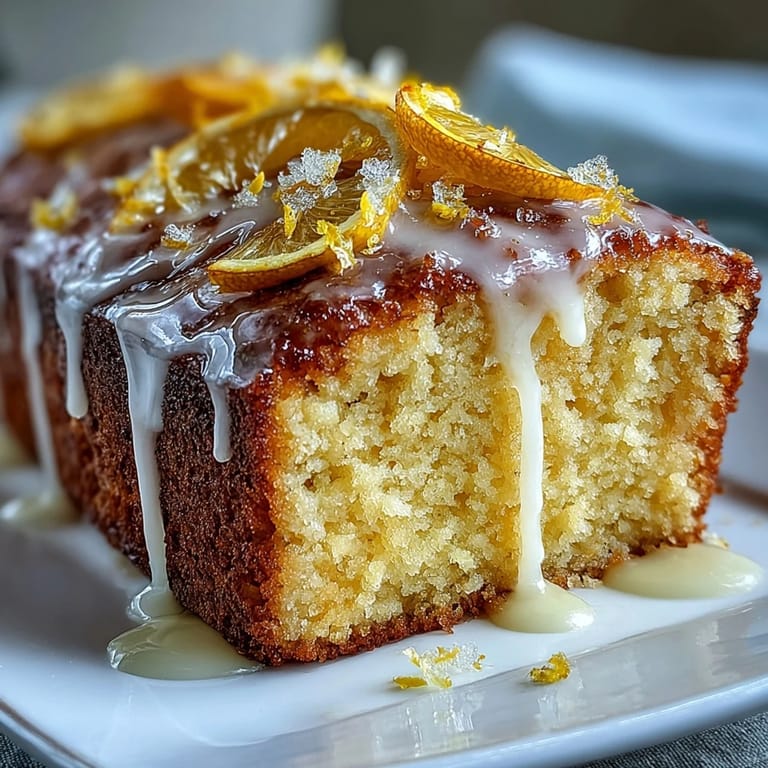
A 10-cup Bundt pan gives you that gorgeous ridged shape that looks stunning on the table and cooks evenly because of all that surface area. If you only have a standard loaf pan, it still works beautifully—just check for doneness around the 50-minute mark since the shape affects baking time. The Bundt version releases more dramatically, which feels a bit like magic when that golden cake tumbles out intact.
Storage and Keeping
This cake actually improves slightly after a day because the flavors meld and the moisture redistributes, so baking it the day before a gathering is smart strategy. Keep it covered at room temperature for up to 4 days, or wrap it tightly and freeze it for up to 3 months—just thaw it at room temperature before glazing. The glaze keeps the crumb tender even as it sits, which is why this cake doesn't dry out the way some pound cakes do.
Variations and Swaps
If Limoncello isn't available or you want something alcohol-free, substitute it with an equal amount of fresh lemon juice and add an extra ½ tsp of lemon extract to keep the depth of flavor. You can also make this with lime zest and juice for a tropical twist, or even swap half the lemon juice for orange juice for something more floral. For garnish, candied lemon peel adds a professional touch, or thin lemon slices arranged on top make it look like you spent hours fussing when it only took seconds.
- Fresh berries scattered around the cake brighten up the plate and add a textural contrast to the tender crumb.
- A tiny whipped cream dollop on the side feels indulgent without overwhelming the delicate lemon flavor.
- Serve it chilled on a hot day and it tastes like summer even when it's not.
 Save
Save This cake has become my answer to almost every spring gathering—it's elegant enough for a fancy brunch but approachable enough to bring to a casual potluck. Once you make it once, you'll find yourself reaching for it again and again.
Recipe Questions & Answers
- → Can I make this without alcohol?
Yes, substitute the Limoncello with extra fresh lemon juice to maintain the citrus flavor without alcohol.
- → What pan is best for baking?
A 10-cup Bundt pan or a standard loaf pan works well to ensure even baking and easy slicing.
- → How do I know when the cake is done?
Insert a toothpick in the center; it should come out clean or with a few moist crumbs when fully baked.
- → Can I prepare the glaze in advance?
The glaze is best made fresh to keep its smooth texture and bright lemon flavor before drizzling.
- → What garnishes complement this cake?
Thin lemon slices, candied lemon peel, or fresh berries add a vibrant touch and enhance the citrus notes.