 Save
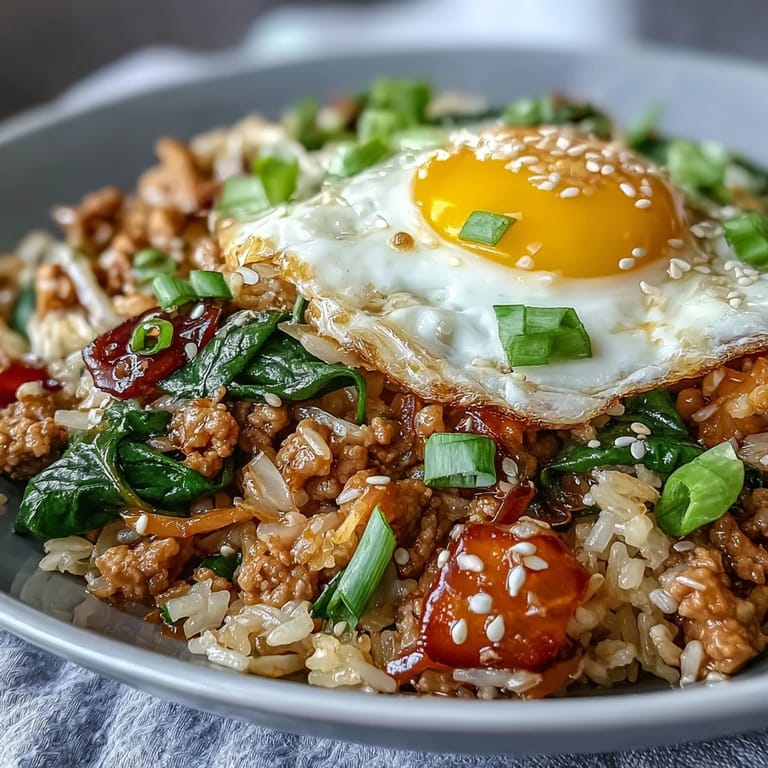
Save My kitchen smelled like toasted sesame oil the night a friend texted asking for dinner plans, and I realized I had ground turkey, day-old rice, and the kind of hungry energy that only a one-pan meal could satisfy. I'd been curious about gochujang for months, watching it sit in my fridge like an unopened promise, and something about that evening felt like the right moment to finally commit. The result was this creamy Korean turkey rice skillet—a dish that somehow tastes like it took hours but comes together in under forty minutes. It became the recipe I'd make on Tuesdays when the week felt overwhelming, when I needed something bold and comforting in equal measure.
I made this for my coworker Sarah on a Friday when she mentioned craving something warming but not heavy, and I watched her pause mid-bite with that quiet look people get when food surprises them in the best way. She asked for the recipe three times that evening, each time finding a new detail to compliment—the way the cream mellowed the heat, how the sesame seeds caught the light. That moment taught me that the best recipes aren't always the most complicated; they're the ones that taste like someone understood exactly what you needed that day.
Ingredients
- Ground turkey: Choose 93/7 or 85/15 blend for the best balance of flavor and texture; leaner turkey can taste dry if you're not careful with the cooking time.
- Gochujang (Korean chili paste): This is the backbone of your sauce, delivering depth and gentle heat that commercial hot sauces never quite capture.
- Sesame oil (toasted): Use the small dark bottle, not the clear kind; a little goes a long way and it makes your kitchen smell like a Korean restaurant.
- Day-old rice: This matters more than you'd think—fresh rice absorbs the sauce too quickly and turns mushy, but chilled rice holds its texture beautifully.
- Heavy cream or coconut cream: The cream transforms the spicy sauce into something velvety; coconut cream gives an unexpected tropical undertone that works surprisingly well.
- Ginger and garlic: Fresh ginger is non-negotiable here; jarred ginger tastes muted by comparison and you'll notice the difference immediately.
- Jammy eggs: Seven minutes in simmering water creates that perfect runny yolk—less time and they're too soft, more and you've lost the magic.
Tired of Takeout? 🥡
Get 10 meals you can make faster than delivery arrives. Seriously.
One email. No spam. Unsubscribe anytime.
Instructions
- Warm your skillet and build the flavor base:
- Heat the large skillet over medium and add toasted sesame oil, then sauté your diced onion with minced garlic and grated ginger for 2-3 minutes until the kitchen smells unmistakably fragrant and the onion turns translucent at the edges. This slow start matters because you're coaxing out the sweetness in the onion and letting the ginger and garlic release their essential oils.
- Brown the ground turkey properly:
- Add your ground turkey and use a spatula to break it into small pieces as it cooks, about 5-6 minutes total, until no pink remains and the meat has developed some light golden edges. Resist the urge to stir constantly; let it sit for 30 seconds between stirs so it actually browns instead of just steaming.
- Add texture with the carrots:
- Toss in your diced carrots and cook for another 2 minutes, just long enough for them to start softening but still maintain a gentle bite. You're not trying to make carrot mush here, just incorporating another layer of sweetness and color.
- Build your sauce:
- Whisk together gochujang, soy sauce, honey, rice vinegar, and broth in a small bowl before pouring it into the skillet, stirring constantly until the meat and vegetables are glossy and coated. This step is where the magic happens—watch as the sauce transforms from separated ingredients into something cohesive and deeply flavorful.
- Wilt the spinach gently:
- Lower the heat to low, add your roughly chopped baby spinach, and cook for just 1 minute until it collapses into the skillet. It'll seem to shrink dramatically but that's exactly what you want.
- Create the creamy finish:
- Stir in your heavy cream and the cooked day-old rice, mixing until everything is evenly combined and the rice has absorbed some of the creamy sauce, about 2-3 minutes. The dish should look silky and cohesive at this point, not dry or separated.
- Cook the perfect jammy eggs:
- While the skillet simmers, bring a separate saucepan of water to a boil and gently lower in your four large eggs, setting a timer for exactly 7 minutes. Transfer them immediately to ice water when the time is up, then peel gently under cool running water and halve them just before serving.
- Finish and serve:
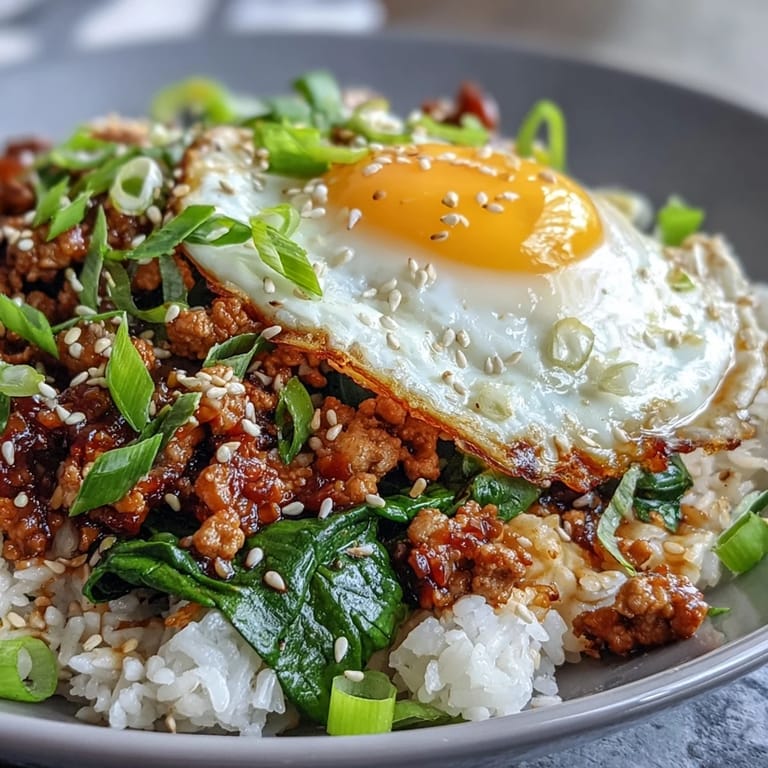
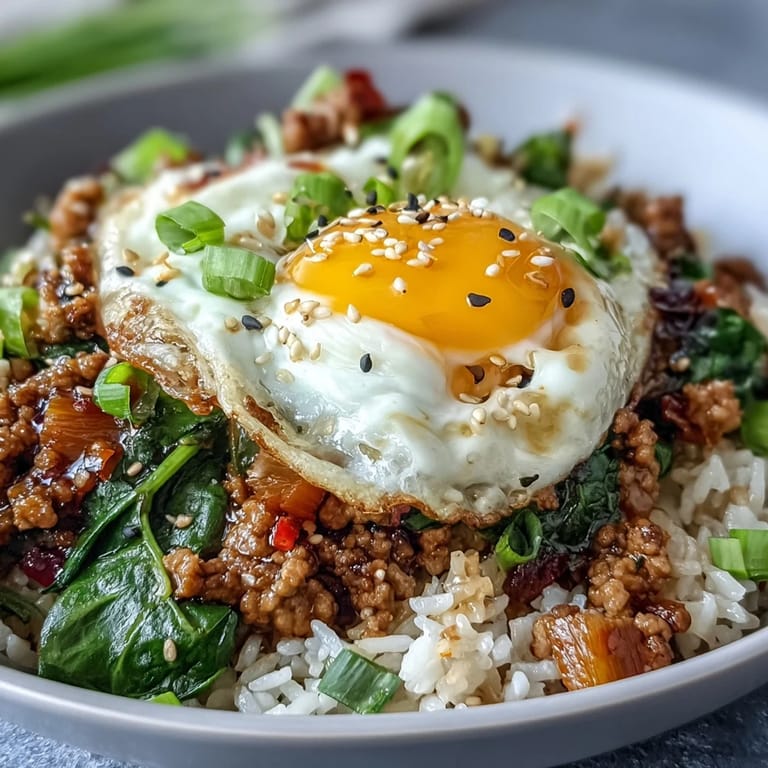
- Divide the creamy turkey and rice mixture into bowls, top each with two halves of a jammy egg, scatter on sliced green onions and toasted sesame seeds, and serve immediately with kimchi on the side if you like an extra kick. The warmth of the rice will slightly warm the egg yolk, creating this beautiful contrast.
 Save
Save There was a quiet Saturday morning when I made this dish for myself without any particular occasion, just because I wanted something that felt like care in a bowl, and I realized this recipe had become a personal ritual. It's the kind of meal that works equally well for a solo lunch or a dinner table full of people, which might be the highest compliment I can give any recipe.
The Spice Spectrum
Gochujang's heat level can vary significantly depending on the brand, so if you're new to it, start with 1.5 tablespoons and taste as you go, adding the remaining half tablespoon once you understand what you're working with. Some people add an extra tablespoon for what they call real flavor, while others prefer to let the sweetness of honey balance the heat. I've found that the cream actually softens the spice's intensity, so what tastes moderately spicy on its own becomes almost mellow once the rice and egg are added to each bite.
Protein and Vegetable Flexibility
Ground chicken works beautifully here if turkey isn't your thing, though it cooks slightly faster so keep watch around the 4-5 minute mark. Pork gives you richer flavor but also more fat, which means you might want to drain a bit before adding the sauce. Vegetables are genuinely flexible too—I've used frozen peas, broccoli florets, mushrooms, and even zucchini depending on what I had on hand, and the dish has never disappointed.
Dairy-Free and Other Adaptations
Coconut cream creates a different but equally delicious version, lending a subtle tropical note that makes you feel like you're eating somewhere warm. Full-fat canned coconut milk works too if you don't have cream, though it's slightly thinner so the dish has less cling and richness. If you're avoiding all dairy alternatives, the dish is still absolutely delicious with just the sesame oil and broth; it becomes lighter and more about the sauce itself rather than the creamy component.
- Kimchi as a topping transforms this from Korean-fusion to something closer to authentic comfort food.
- A sprinkle of nori (seaweed) sheets adds umami depth that makes people wonder what secret ingredient you used.
- Crushed peanuts can replace sesame seeds if you have allergies or just want a textural change.
 Save
Save This skillet became my answer to nights when I wanted something that felt special without the performance, bold without being overwhelming. It's the kind of recipe that reminds you why cooking for yourself matters.
Recipe Questions & Answers
- → What makes the sauce creamy?
Heavy cream or coconut cream is stirred into the gochujang-based sauce, creating a luscious, velvety texture that coats the rice and meat beautifully while balancing the spicy elements.
- → Can I make this dairy-free?
Absolutely. Simply substitute coconut cream for heavy cream, or omit the cream entirely for a lighter version. The sauce remains deliciously flavorful from the gochujang and seasonings.
- → Why use day-old rice?
Day-old rice has less moisture, preventing the skillet from becoming mushy. Freshly cooked rice releases more water and can make the dish overly wet. If using fresh rice, spread it on a baking sheet to cool and dry slightly.
- → How do I achieve jammy eggs?
Gently simmer large eggs in boiling water for exactly 7 minutes, then immediately transfer to an ice bath to stop cooking. This yields perfectly set whites with golden, runny yolks that pair wonderfully with the creamy rice.
- → Can I adjust the spice level?
Certainly. Reduce gochujang for milder heat or increase for more kick. The paste ranges from mild to very hot depending on the brand, so taste as you go and adjust honey to balance the spice.