 Save
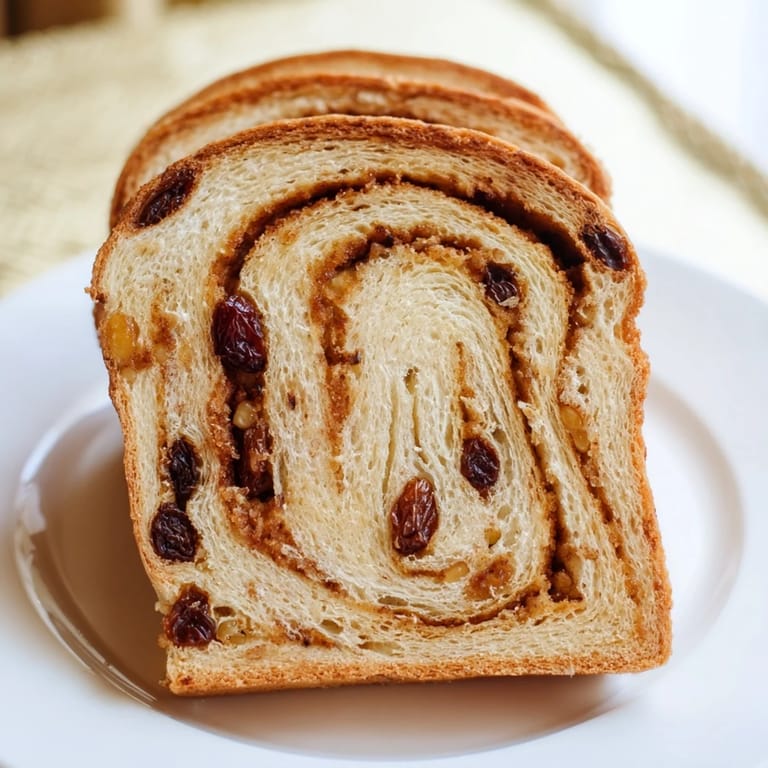
Save I baked this loaf on a rainy Sunday when the house felt too quiet. The scent of cinnamon curling through the kitchen brought my neighbor to the door, asking if I was opening a bakery. I wasn't—but I did slice her a warm piece, and she said it tasted like the bread her grandmother used to make before church. That's when I knew this recipe was a keeper.
One morning I toasted two slices, buttered them generously, and ate them standing by the window while snow fell outside. My daughter wandered in, still half asleep, and asked if we could make French toast with it next time. We did, and it became our winter Saturday tradition—thick slices soaked in vanilla custard, the cinnamon swirl caramelizing at the edges.
Ingredients
- Bread flour: The higher protein content gives this loaf structure and that perfect chewy crumb, I tried all purpose once and it collapsed slightly.
- Active dry yeast: Make sure your milk is warm but not hot or the yeast won't foam, I learned this after a flat dough incident.
- Whole milk: The fat makes the bread tender and rich, low fat milk works but the texture is drier.
- Unsalted butter: Softened butter blends smoothly into the dough and spreads easily for the swirl.
- Raisins: I soak mine in warm water for ten minutes first so they stay plump and don't steal moisture from the dough.
- Light brown sugar: The molasses adds depth to the cinnamon filling, white sugar tastes flat in comparison.
- Ground cinnamon: Use fresh cinnamon if you can, the flavor difference is startling.
Tired of Takeout? 🥡
Get 10 meals you can make faster than delivery arrives. Seriously.
One email. No spam. Unsubscribe anytime.
Instructions
- Proof the yeast:
- Combine warm milk and yeast in your mixer bowl and wait for that foamy cap to form. If nothing happens after five minutes, your yeast is dead or your milk was too hot.
- Mix the dough:
- Add sugar, egg, and softened butter to the yeast mixture and stir until smooth. Then add flour and salt and knead with the dough hook for eight to ten minutes until the dough pulls away from the bowl and feels silky.
- Fold in the raisins:
- Add raisins and knead just until they're distributed evenly. Overdoing it will crush them into the dough.
- First rise:
- Place dough in a greased bowl, cover with a damp towel, and set it somewhere warm. I use my oven with just the light on.
- Prepare the filling:
- Mix brown sugar and cinnamon in a small bowl. This is the magic that makes the swirl.
- Roll and fill:
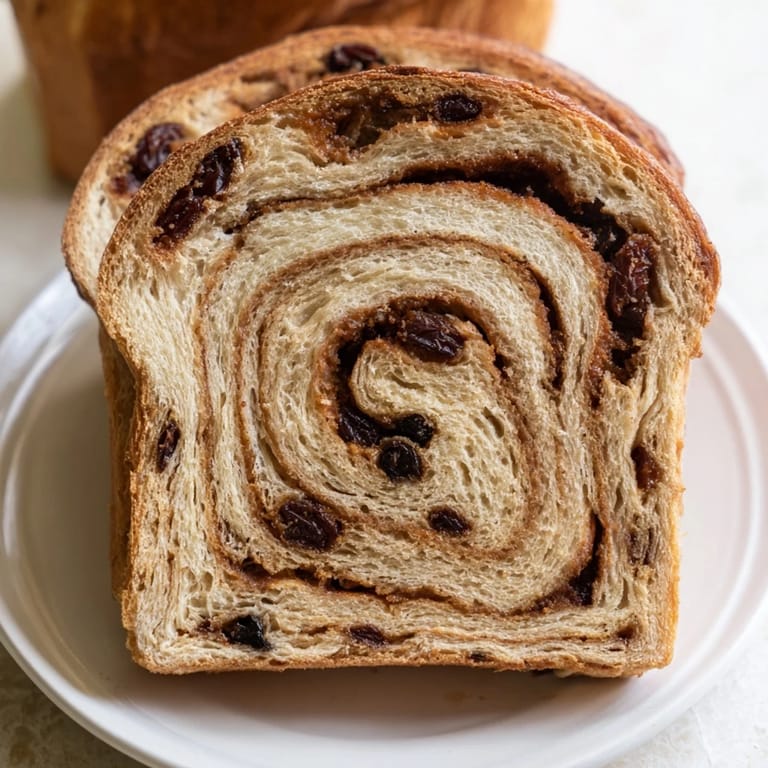
- Punch down the risen dough and roll it into a rectangle on a floured surface. Spread softened butter over the surface, leaving a border, then sprinkle the cinnamon sugar evenly.
- Shape the loaf:
- Roll the dough tightly from the short end into a log, pinch the seam closed, and tuck the ends under. Place it seam side down in a greased loaf pan.
- Second rise:
- Cover the pan and let the dough rise again until it's puffy and cresting above the rim. This takes about an hour.
- Bake:
- Bake at 350 degrees until the top is golden and the loaf sounds hollow when tapped. If it browns too quickly, tent it with foil.
- Finish and cool:
- Brush the hot loaf with melted butter for a soft glossy crust. Let it cool for ten minutes in the pan, then turn it out onto a rack.
 Save
Save 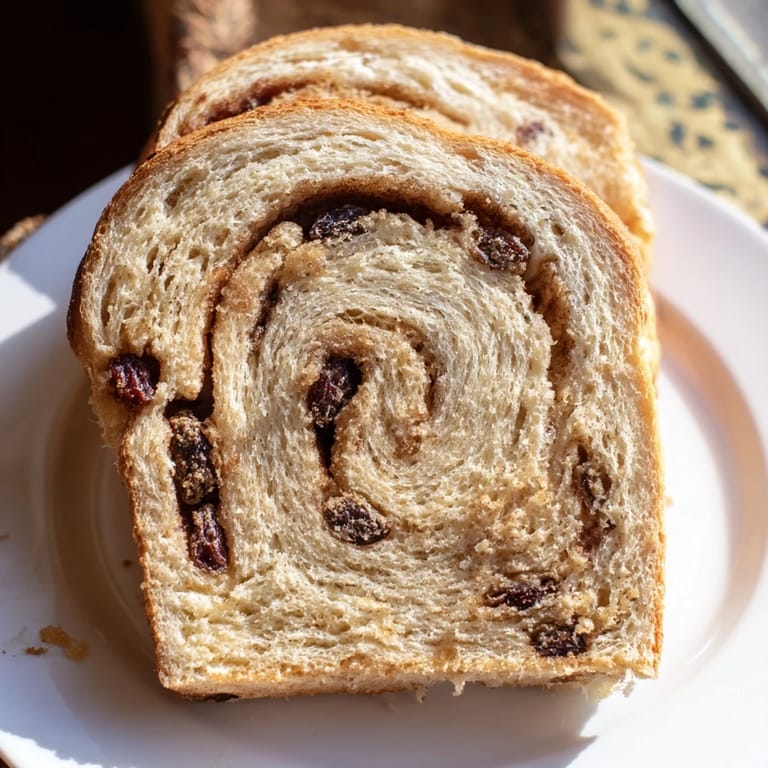 Save
Save My son once asked if we could have this for his birthday breakfast instead of cake. I baked two loaves, sliced them thick, and we ate them warm with salted butter melting into every crevice. He said it was the best birthday he'd ever had, and I believed him because he asked for the same thing the next year.
How to Store and Reheat
Wrap the cooled loaf tightly in plastic wrap or store it in an airtight container at room temperature for up to three days. After that it dries out quickly. For longer storage, slice the loaf, wrap individual slices in parchment, and freeze them in a zip top bag for up to a month. Toast slices straight from the freezer and they taste freshly baked.
Variations to Try
Swap the raisins for dried cranberries or chopped dates if you want a different kind of sweetness. I've added chopped walnuts to the cinnamon filling before and the crunch was incredible. For a citrus twist, add a teaspoon of orange zest to the dough. One friend drizzles hers with a simple powdered sugar glaze after baking and it turns the loaf into something bakery worthy.
Serving Suggestions
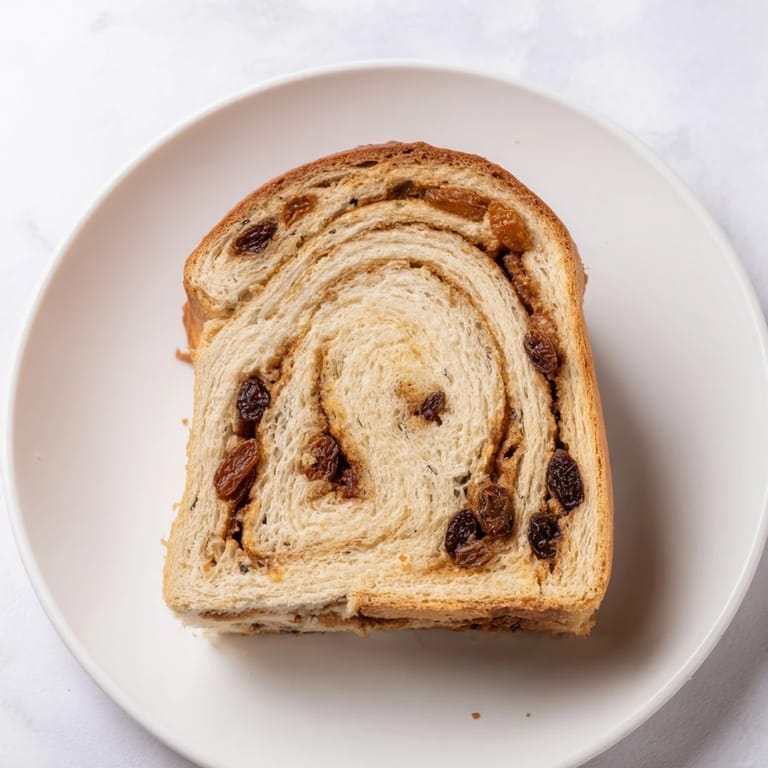
This bread is perfect toasted with salted butter or spread with cream cheese for breakfast. I've also served it alongside scrambled eggs and crispy bacon for a weekend brunch that felt special without much effort. My favorite way is to eat it warm, straight from the oven, with nothing at all.
- Make French toast with thick slices and dust with powdered sugar.
- Serve it with apple butter or honey for an extra layer of sweetness.
- Pair it with strong coffee or chai tea for a cozy afternoon snack.
 Save
Save 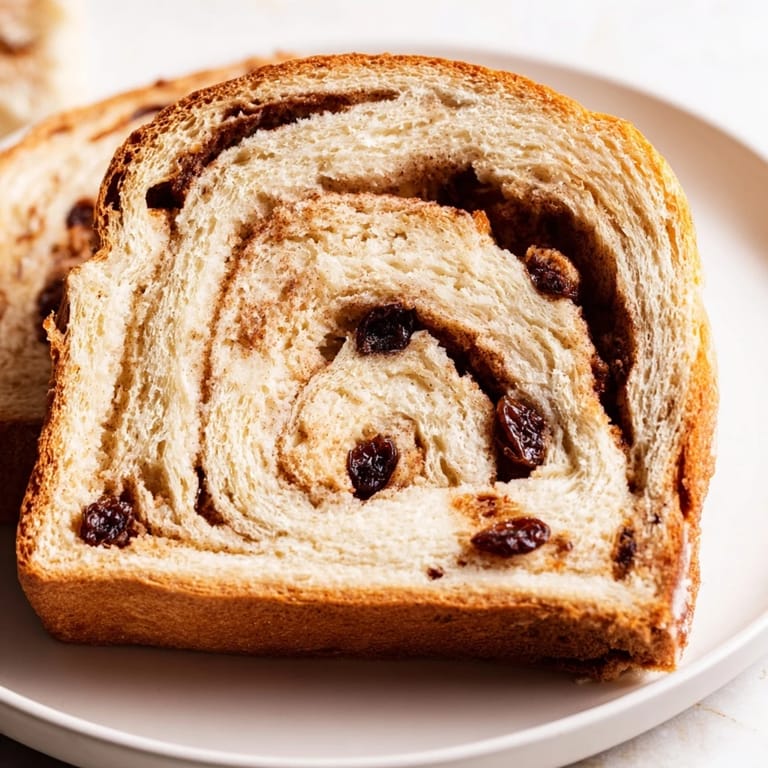 Save
Save This loaf has become the one I bake when I want the house to feel like home. It's simple, forgiving, and always worth the wait.
Recipe Questions & Answers
- → How do I achieve a soft texture in this bread?
Using warm milk and kneading the dough until smooth helps develop gluten for softness. Allowing adequate rising time also contributes to the tender crumb.
- → Can I substitute golden raisins in the mixture?
Yes, golden raisins offer a milder sweetness and can be used interchangeably to vary the flavor profile.
- → What is the best way to roll the dough for the cinnamon swirl?
Roll the dough into a tight log starting from the short side to create defined swirls and avoid gaps.
- → How can I store the bread to maintain freshness?
Store in an airtight container at room temperature for up to three days or freeze for longer preservation.
- → Is brushing with melted butter necessary before baking?
Brushing melted butter post-baking adds flavor and a glossy finish but is optional based on preference.