 Save
Save My neighbor knocked on the door one Thursday evening holding a plate wrapped in foil, insisting I try what she called "the crunchiest chicken you'll ever taste." That first bite of chicken katsu—still warm, impossibly crispy, drizzled with a sweet-tangy sauce I couldn't identify—made me forget every bland cutlet I'd ever eaten. The panko crust shattered with each bite, giving way to tender, juicy chicken that tasted like it had been fried by someone who actually cared. I asked for the recipe immediately, scribbling notes on a napkin while she laughed at my enthusiasm. Within a week, I'd made it three times, tweaking the sauce and perfecting the frying temperature until it tasted just like hers.
I started making this for my partner on nights when we both needed something comforting but didn't want to order takeout again. The first time, I panicked when the oil started smoking slightly, but I adjusted the heat and the chicken turned out beautifully golden. Now it's become our Friday tradition—I fry the cutlets while he shreds the cabbage and sets the table with mismatched bowls of rice. There's something about the sound of that crust crackling under the knife that signals the week is officially over.
Ingredients
- Boneless, skinless chicken breasts: Pounding them to an even thickness is non-negotiable—it ensures they cook through without drying out, and I learned this after one too many thick-in-the-middle disasters.
- Salt and black pepper: Simple seasoning is all the chicken needs before breading, since the sauce brings most of the flavor.
- All-purpose flour: This first layer helps the egg stick and creates a base for the panko to cling to, so don't skip it even though it seems like an extra step.
- Eggs and water: The water thins the egg just enough to coat evenly without clumping, a trick I picked up after getting frustrated with thick, gloppy patches.
- Panko breadcrumbs: These Japanese breadcrumbs are the secret—they're lighter and airier than regular crumbs, creating that signature shatter when you bite in.
- Vegetable oil: You need enough for shallow frying, not deep frying, which makes cleanup easier and uses less oil than you'd think.
- Ketchup: It forms the sweet base of the tonkatsu sauce and balances the salty, tangy elements surprisingly well.
- Worcestershire sauce: Adds a deep, savory complexity that makes the sauce taste like something you bought at a Japanese market.
- Soy sauce: Brings the umami and saltiness that ties the whole sauce together.
- Mirin: This sweet rice wine adds a subtle depth, though honey works in a pinch if you don't have it.
- Dijon mustard: Just a teaspoon gives the sauce a slight tang and helps emulsify everything into a smooth consistency.
- Sugar: Balances the acidity and rounds out the flavors so the sauce doesn't taste too sharp.
- Shredded cabbage: Completely optional, but it adds a fresh crunch that cuts through the richness of the fried chicken.
- Lemon wedges: A squeeze of lemon brightens everything up, especially if you're eating this on a hot evening.
- Steamed rice: Soaks up the extra sauce and turns this into a complete, satisfying meal.
Tired of Takeout? 🥡
Get 10 meals you can make faster than delivery arrives. Seriously.
One email. No spam. Unsubscribe anytime.
Instructions
- Prepare the chicken:
- Place each breast between plastic wrap and pound it gently with a meat mallet or rolling pin until it's about half an inch thick all over. Season both sides with salt and pepper, pressing the seasoning in lightly so it sticks.
- Set up a breading station:
- Arrange three shallow dishes in a row—flour in the first, beaten eggs mixed with water in the second, and panko in the third. This assembly line makes breading quick and keeps your hands from getting too messy.
- Bread the chicken:
- Dredge each breast in flour and shake off the excess, then dip it in the egg wash, letting the extra drip off. Press it firmly into the panko on both sides, making sure every bit is coated—this is where the crunch comes from.
- Heat the oil:
- Pour oil into a large skillet until it's about a quarter inch deep and heat it over medium until it shimmers. If you drop in a panko crumb and it sizzles immediately, you're ready to fry.
- Fry the cutlets:
- Carefully lay the chicken in the pan without crowding it, and fry for three to four minutes per side until the crust is deep golden brown. Transfer each piece to a wire rack or paper towel-lined plate to drain while you finish the rest.
- Make the tonkatsu sauce:
- Whisk together ketchup, Worcestershire, soy sauce, mirin, mustard, and sugar in a small bowl until smooth. Taste it and adjust if you want it sweeter or tangier.
- Serve:
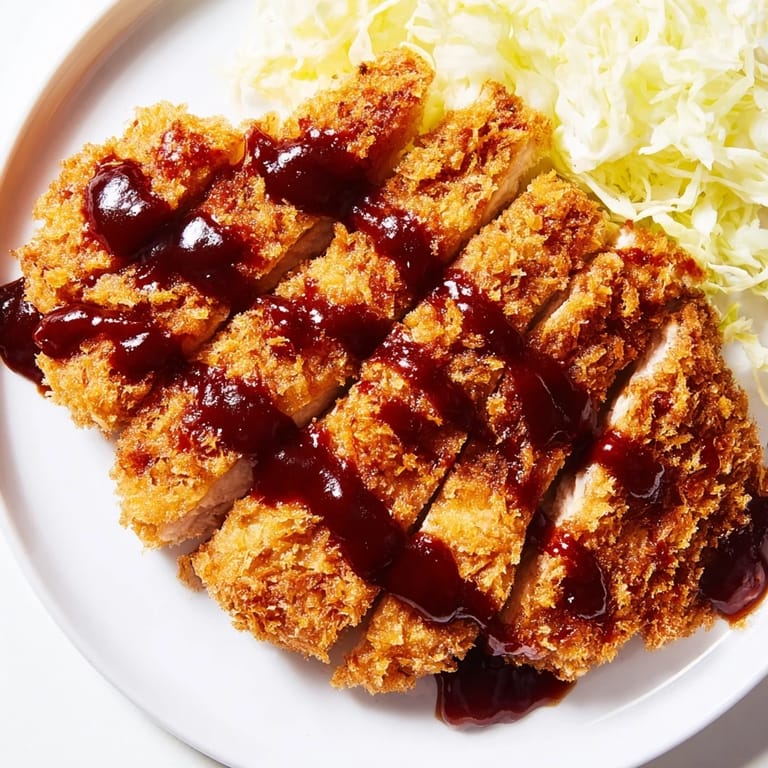
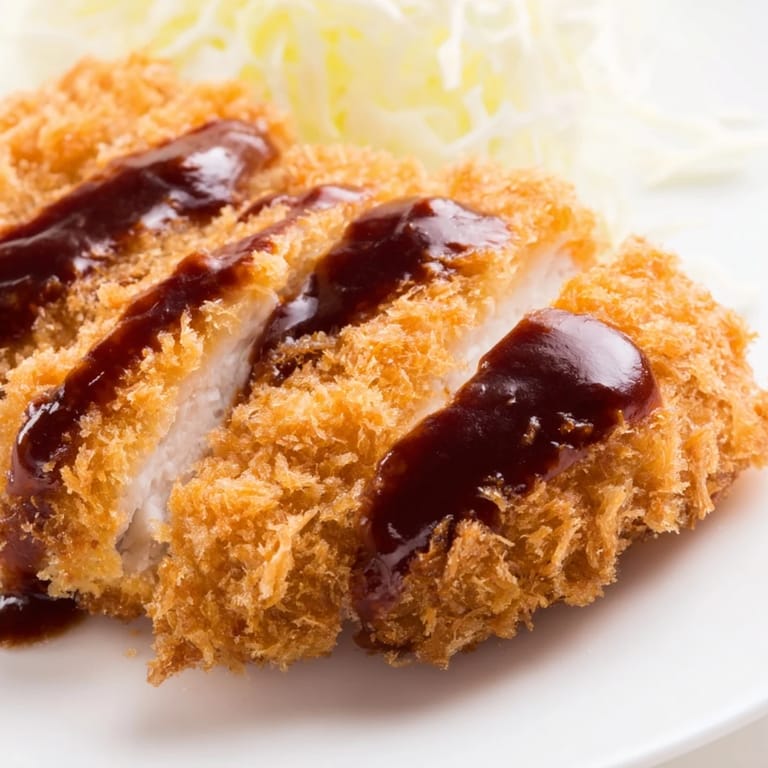
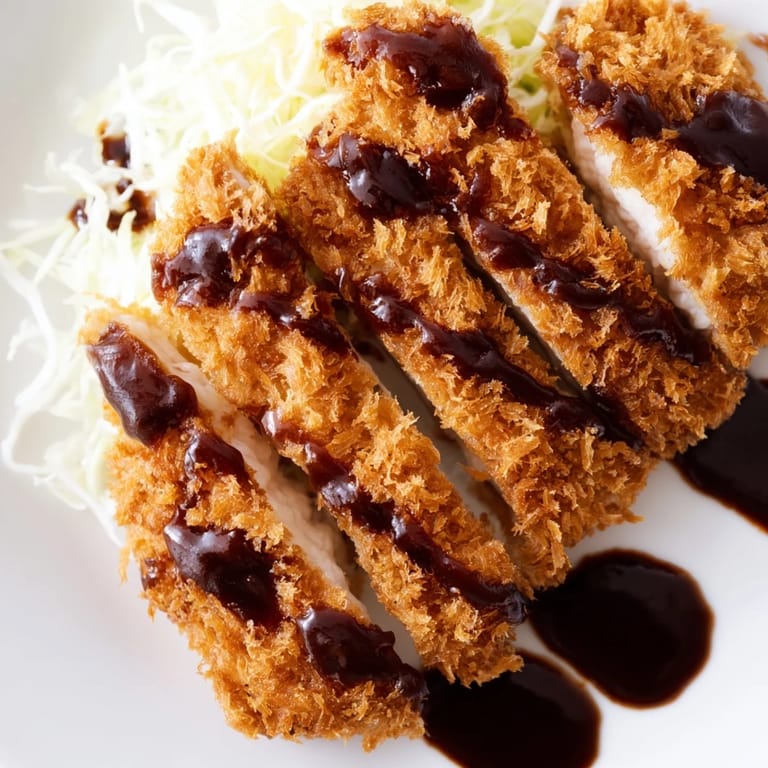
- Slice the chicken crosswise into strips so the crispy coating is visible, then arrange it on a plate with shredded cabbage, lemon wedges, and steamed rice. Drizzle the sauce over the top or serve it on the side for dipping.
 Save
Save The first time I served this to friends, I sliced the chicken at the table and everyone went quiet for a moment, just listening to the sound of the knife cutting through that crust. One friend looked up and said it reminded her of a trip to Tokyo she'd taken years ago, and suddenly we were all sharing travel stories and pouring more tea. It's funny how a simple fried cutlet can turn dinner into something you remember.
Getting the Perfect Crust
The secret to that restaurant-quality crunch is all about the panko and how you handle it. I used to think any breadcrumb would work, but panko's airy, flaky texture is what gives you that shattering bite instead of a dense, soggy coating. Press the breadcrumbs firmly onto the chicken with your palms, almost like you're packing snow, so they form a solid layer that won't fall apart. If your panko seems too fine, crush it even less—bigger flakes mean more texture. Once breaded, let the chicken rest for at least ten minutes before frying so the coating has time to stick properly.
Adjusting the Sauce to Your Taste
The beauty of tonkatsu sauce is that it's endlessly tweakable once you understand the base. If you like it sweeter, add another teaspoon of sugar or mirin. If you want more tang, increase the Worcestershire or add a splash of rice vinegar. I've made versions with a bit of grated ginger stirred in, and others with a pinch of garlic powder for extra depth. Taste as you go and adjust until it feels right—the sauce should be bold enough to stand up to the rich, fried chicken without overpowering it.
Serving and Pairing Ideas
Chicken katsu is incredibly versatile and fits into more meals than you'd expect. I've served it sliced over a bowl of rice with a fried egg on top for a quick donburi-style dinner, and I've tucked it into soft rolls with shredded cabbage and extra sauce for a Japanese-inspired sandwich. It's also fantastic cold the next day, sliced thin and added to a lunchbox with pickled vegetables and rice.
- Try serving it with a simple miso soup and pickled radish for a more traditional Japanese meal.
- If you're feeding a crowd, set up a DIY katsu bar with different sauces, toppings, and sides so everyone can customize their plate.
- Pair it with a crisp Japanese lager or cold green tea to balance the richness of the fried chicken.
 Save
Save This recipe has become one of those reliable favorites I turn to when I want to cook something that feels special without spending hours in the kitchen. Every time I make it, I'm reminded that the best meals aren't always the most complicated ones—they're the ones that bring a little crunch, a little sweetness, and a lot of satisfaction to the table.
Recipe Questions & Answers
- → How do I achieve the crispiest panko coating?
After breading your chicken, let the cutlets rest for 10 minutes before frying. This allows the coating to set. Ensure your oil reaches 170°C (340°F) before adding the chicken, and avoid overcrowding the pan, which lowers oil temperature and results in soggy coating.
- → Can I use boneless chicken thighs instead of breasts?
Yes, boneless chicken thighs work wonderfully and often stay more moist during frying. Pound them to uniform thickness just as you would breasts. Cooking time may vary slightly, so monitor for golden-brown color and internal doneness.
- → What's the best substitute for mirin in tonkatsu sauce?
Honey is an excellent substitute for mirin, providing similar sweetness and depth. Use equal parts honey. You can also combine brown sugar with a splash of water or use corn syrup if preferred.
- → How should I store leftover chicken katsu?
Store cooled cutlets in an airtight container for up to 3 days. Reheat in a 180°C (350°F) oven for 10 minutes to restore crispiness. Avoid microwaving, which will make the coating soft.
- → Is tonkatsu sauce the same as okonomiyaki sauce?
While similar, they differ slightly. Tonkatsu sauce is thinner and sharper in flavor, emphasizing Worcestershire and soy. Okonomiyaki sauce is thicker with more sweetness. Tonkatsu sauce works best for chicken katsu, though some prefer mixing styles based on personal taste.
- → Can I bake chicken katsu instead of frying?
Baking won't achieve the same crispy exterior as frying. However, you can spray breaded cutlets with oil and bake at 200°C (400°F) for 12-15 minutes for a lighter option, though texture will differ from traditional fried versions.