 Save
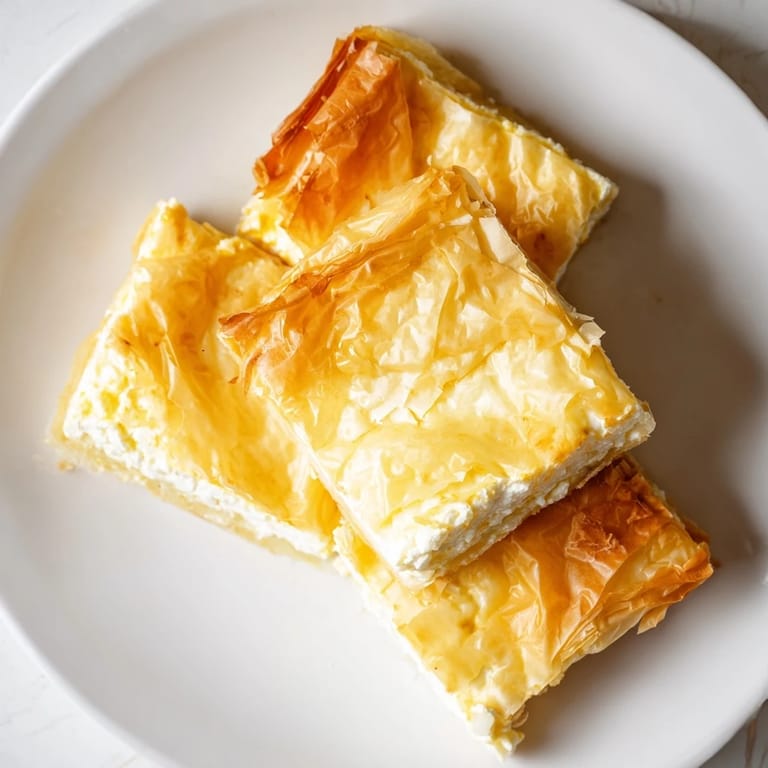
Save My grandmother's kitchen always smelled like butter and phyllo dough on Sunday mornings, and the moment I moved into my own place, banitsa became my first breakfast ritual. There's something about that golden, crackling exterior giving way to the soft, savory cheese filling that makes you understand why this pastry has survived centuries in Bulgarian homes. The first time I made it myself, I was terrified of tearing the phyllo, but I learned that fear disappears once your hands understand the rhythm of brushing and layering. Now it's become my go-to for impressing people without spending hours in the kitchen.
I made this for my coworkers during a chaotic Monday morning, and watching their faces light up when they bit into warm banitsa with coffee was one of those small moments that reminded me why I love cooking for people. Someone asked for the recipe, then someone else, and suddenly half the office wanted to know my secret—which is really just patience and a damp towel.
Ingredients
- Feta cheese (400 g), crumbled: Use a good quality feta that's neither too salty nor too wet; it's the heart of this pastry and deserves respect.
- Plain yogurt (250 ml): The tanginess balances the richness and keeps the filling from becoming heavy or one-dimensional.
- Unsalted butter (60 g), melted: This is the glue between phyllo layers, so brush each sheet with intention, not excess.
- Whole milk (50 ml): A small amount that loosens the filling just enough so it spreads evenly without soaking the dough.
- Large eggs (4): They bind everything together and create that delicate custard-like texture inside.
- Phyllo dough (1 package, about 400 g), thawed: Never, ever work with frozen phyllo—it shatters like frustration; let it sit on the counter for a couple hours.
- Salt (1/2 tsp) and freshly ground black pepper (1/4 tsp): These quiet seasonings let the cheese and eggs shine without demanding attention.
Tired of Takeout? 🥡
Get 10 meals you can make faster than delivery arrives. Seriously.
One email. No spam. Unsubscribe anytime.
Instructions
- Prepare Your Stage:
- Preheat your oven to 180°C and generously grease your baking dish with butter—this keeps the bottom layers from sticking and adds a subtle golden crust. Have everything measured and ready because phyllo dough waits for no one once it's unwrapped.
- Make the Filling:
- Whisk eggs with yogurt, milk, salt, and pepper until completely smooth, then gently fold in the crumbled feta with a light hand so you preserve some texture. The mixture should feel like soft custard, not aggressive dairy soup.
- Protect Your Phyllo:
- Unroll the thawed dough and immediately drape a damp (not soaking) kitchen towel over it—this single step saves countless heartbreaks. Check underneath occasionally to make sure it's staying pliable and hasn't started drying at the edges.
- Layer Your Base:
- Lay one phyllo sheet in the dish, brush with melted butter using a soft pastry brush, then repeat three more times so you have four buttered layers. This foundation stops the filling from seeping into the bottom and keeps everything crispy.
- Build the Filling Layers:
- Spread about one-quarter of your cheese mixture over the four phyllo sheets, then add three to four more phyllo layers (buttering each one), then another quarter of filling. Keep repeating this rhythm until your filling is gone, which should happen naturally if you've paid attention.
- Top with Gold:
- Finish with three to four buttered phyllo sheets on top, creating a protective shell that will turn burnished and crackling in the oven. Brush the very top generously with any leftover butter for extra color and crunch.
- Cut Before Baking:
- Using a sharp knife, score the assembled banitsa into squares or diamonds—this makes serving easier and ensures even cooking throughout. Some people cut all the way through; others just score the top; I split the difference for control.
- Bake Until Golden:
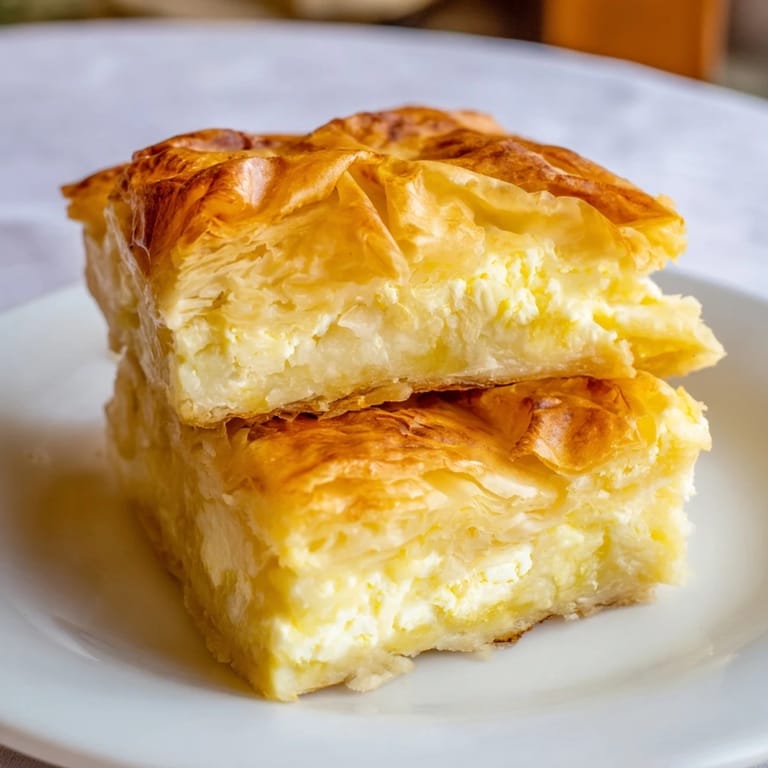
- Bake for 30 to 35 minutes until the top is deep golden brown and the edges are pulling away from the dish slightly. The pastry should sound crispy when you tap it, not soft or moist.
- Rest and Serve:
- Let it cool for 10 minutes so the interior sets enough to hold together when you cut, then serve it warm or at room temperature with whatever makes you happy.
 Save
Save Years ago, a neighbor invited me over to her kitchen and showed me she wasn't using yogurt in her banitsa because her grandmother never did. I tried her version and understood that this recipe isn't about rules—it's about what's in your cupboard and what your family tastes good to you. Since then, I've made it a hundred ways, and it's always been perfect because the foundation is solid and flexible enough to let you play.
The Phyllo Paradox
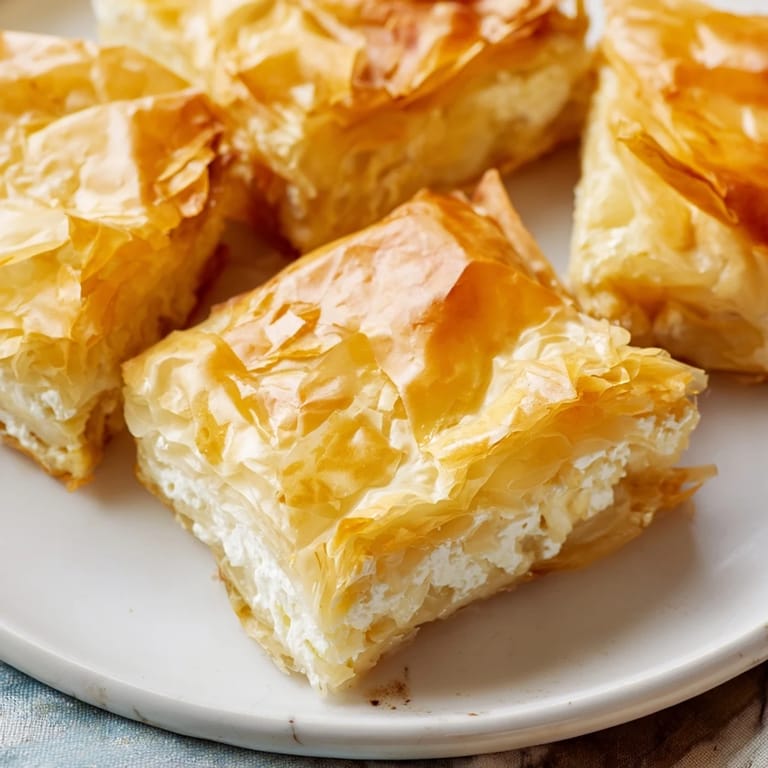
Everyone talks about phyllo dough like it's a temperamental artist, but I've found the opposite is true. The moment you stop treating it with reverence and start treating it like kitchen paper, it stops fighting you. Work quickly, keep your towel nearby, and remember that a few tears just add character and hidden crunch in the finished pastry.
Why Yogurt Matters Here
The yogurt isn't just filling space—it's the ingredient that prevents the eggs from turning dense and rubbery while baking. It adds a subtle tang that makes you reach for another slice, and it keeps the whole thing moist even when it sits in your fridge for three days. Bulgarian cuisine understands fermented dairy in ways most kitchens don't, and this recipe is proof of that wisdom.
Serving and Pairing Ideas
Banitsa is a blank canvas that works for breakfast with coffee, lunch with a salad, or an afternoon snack with tea. The traditional pairing is cold ayran (a savory yogurt drink), which cuts through the richness and feels like you're honoring the recipe's heritage. I've also served it with a simple tomato-cucumber salad when I wanted something lighter and brighter on the plate.
- Try adding fresh dill or parsley to the filling for herbal brightness that feels less heavy than cheese alone.
- If you want to experiment, swap half the feta for Bulgarian sirene cheese, ricotta, or even a mild white cheese that won't overpower everything else.
- Make it the night before, cover it, and reheat gently—it actually tastes even better the next day when the flavors have settled.
 Save
Save This pastry reminds me that the most satisfying food doesn't need to be complicated—just butter, cheese, eggs, and phyllo layered with care. Make it for someone you care about and watch their face when they taste it warm.
Recipe Questions & Answers
- → What type of cheese is traditionally used in Banitsa?
Feta cheese is the classic choice, offering a tangy, salty flavor that complements the phyllo layers perfectly.
- → How should phyllo dough be handled to prevent drying out?
Keep phyllo sheets covered with a damp towel while assembling to maintain their moisture and flexibility.
- → Can fresh herbs be added to the filling?
Yes, chopped fresh dill or parsley can be mixed into the filling to add aromatic freshness and enhance flavor.
- → What is the best way to serve Banitsa?
Serve warm or at room temperature, often accompanied by a light yogurt drink or a fresh vegetable salad.
- → How is the layering of Banitsa typically done?
Phyllo sheets are layered with melted butter in between, alternating with the cheese and egg mixture to build a flaky, rich pastry.
- → Is Banitsa suitable for vegetarians?
Yes, as it contains no meat and features dairy and eggs, it is a vegetarian-friendly dish.