 Save
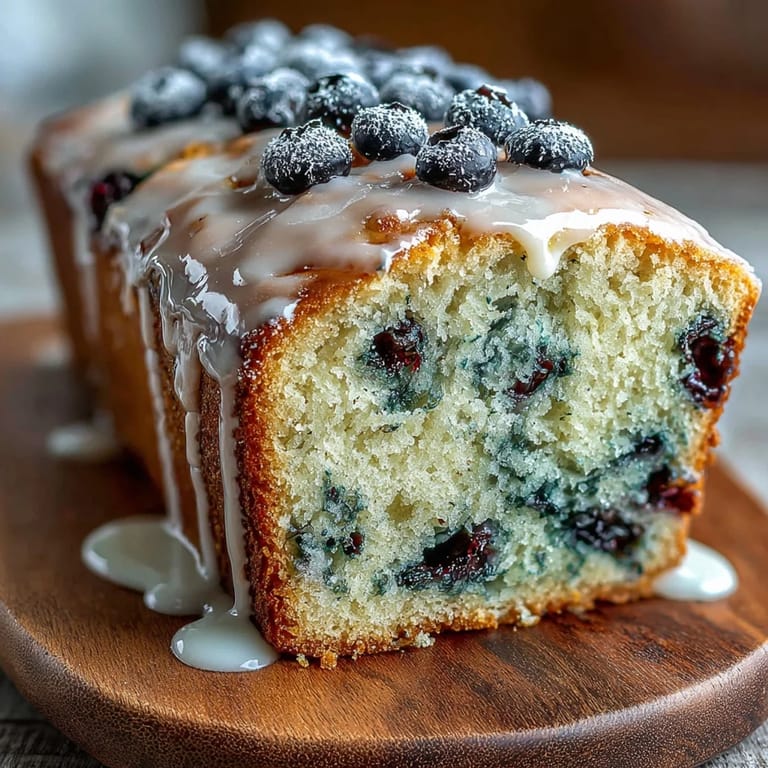
Save My sister called me in a panic two days before her baby shower, asking if I could bring something lemony and elegant that wouldn't wilt in the afternoon heat. I'd made this lemon loaf once before for a neighbor, and remembered how the kitchen smelled like sunshine and butter, so I said yes without hesitation. The first time I pulled it from the oven, I was amazed at how the blueberries stayed plump and bright instead of turning gray, and how the crumb was so tender it practically melted. That loaf became the unexpected star of the dessert table, and now it's my go-to whenever I need something that feels special but doesn't require hours of fussing.
I'll never forget watching my mom's face light up when she tasted a slice at that baby shower, then immediately ask for the recipe. She made it the next week for her book club and texted me a photo of an empty loaf pan with the message 'They devoured it.' That moment made me realize this wasn't just a dessert, it was something that brought people together and made them feel celebrated.
Ingredients
- All-purpose flour (1 ½ cups): The backbone of the crumb; I've learned to spoon it into the measuring cup and level it off rather than scooping directly, which prevents the loaf from becoming dense.
- Baking powder and baking soda (1 tsp and ½ tsp): These two work together to create a tender crumb with gentle lift; don't skip either one or the texture suffers.
- Salt (¼ tsp): A small pinch that makes the lemon flavor pop without tasting salty.
- Unsalted butter (½ cup, softened): Softened butter creams beautifully with sugar and creates a moist, rich loaf; cold butter won't incorporate properly.
- Granulated sugar (1 cup): The sweetness that balances the tartness of the lemon juice perfectly.
- Eggs (2 large, room temperature): Room temperature eggs emulsify better with the butter and sugar, creating a smoother batter and taller rise.
- Lemon zest (2 tsp from about 2 lemons): This is where the real lemon flavor lives; fresh zest tastes brighter and more fragrant than bottled extract.
- Fresh lemon juice (⅓ cup): Adds tanginess and moisture; bottled works in a pinch, but fresh juice tastes noticeably better.
- Sour cream or yogurt (½ cup): Creates tenderness and tang; I've tried both and honestly prefer sour cream for its richness, though yogurt gives a pleasant slight edge.
- Vanilla extract (1 tsp pure): Use real vanilla, not imitation, since the bottle cost difference is small but the flavor difference is real.
- Fresh blueberries (1 cup): Frozen blueberries straight from the freezer work beautifully here because the cold keeps them from bleeding; I keep a bag on hand year-round.
- All-purpose flour for blueberries (1 tbsp): Tossing blueberries in flour keeps them suspended in the batter and prevents sinking.
- Powdered sugar (1 cup, sifted): Sifting removes lumps and creates a smooth glaze; don't skip this step.
- Fresh lemon juice for glaze (2–3 tbsp): Start with less and add more until you reach the consistency you want; thinner glaze looks more elegant while thicker glaze holds its shape better.
Tired of Takeout? 🥡
Get 10 meals you can make faster than delivery arrives. Seriously.
One email. No spam. Unsubscribe anytime.
Instructions
- Prepare your space:
- Preheat the oven to 350°F and grease a 9x5-inch loaf pan, then line it with parchment paper so the loaf lifts out cleanly. I always let the paper overhang the sides for easier removal.
- Mix the dry team:
- In a medium bowl, whisk together flour, baking powder, baking soda, and salt until evenly combined. This distributes the leavening agents so you don't get pockets of extra rise.
- Cream the butter and sugar:
- Beat the softened butter and sugar together for 2–3 minutes until the mixture looks pale and fluffy like frosting; this aerates the batter and creates lift. You'll see the color lighten noticeably when you've beaten it enough.
- Introduce the eggs:
- Add eggs one at a time, beating well after each addition to ensure they're fully incorporated before adding the next. Rushing this step makes the batter look curdled, but it comes together once you add the wet ingredients.
- Build the wet base:
- Stir in the lemon zest, lemon juice, sour cream, and vanilla until smooth and fragrant. The mixture will look slightly separated from the lemon juice, but that's exactly what should happen.
- Marry wet and dry:
- Add the dry ingredients to the wet mixture and stir just until combined; overmixing develops gluten and makes the loaf tough. A few flour streaks are fine; stop stirring when the streaks disappear.
- Toss and fold the blueberries:
- Coat the blueberries with 1 tbsp flour, then gently fold them into the batter at the very end. This prevents them from sinking to the bottom and keeps them from bleeding into the crumb.
- Transfer and smooth:
- Pour the batter into the prepared pan and smooth the top with a spatula so it bakes evenly. A small dip in the center actually helps the loaf rise more evenly.
- Bake with patience:
- Bake for 50–55 minutes until a toothpick inserted in the center comes out clean with just a few moist crumbs. If the top is browning too quickly, tent with foil in the last 15 minutes.
- Cool with intention:
- Let the loaf rest in the pan for 10 minutes so it sets slightly, then turn it out onto a wire rack to cool completely. Cooling on the rack prevents the bottom from getting soggy.
- Make the glaze:
- Whisk powdered sugar with 2 tbsp lemon juice until smooth, then add more juice a teaspoon at a time if you want it thinner. The glaze should drip slowly off a spoon, not run like water.
- Crown with glaze:
- Drizzle the glaze over the cooled loaf in whatever pattern feels right, then scatter extra lemon zest on top if you want to be fancy. Let the glaze set for a few minutes before slicing.
 Save
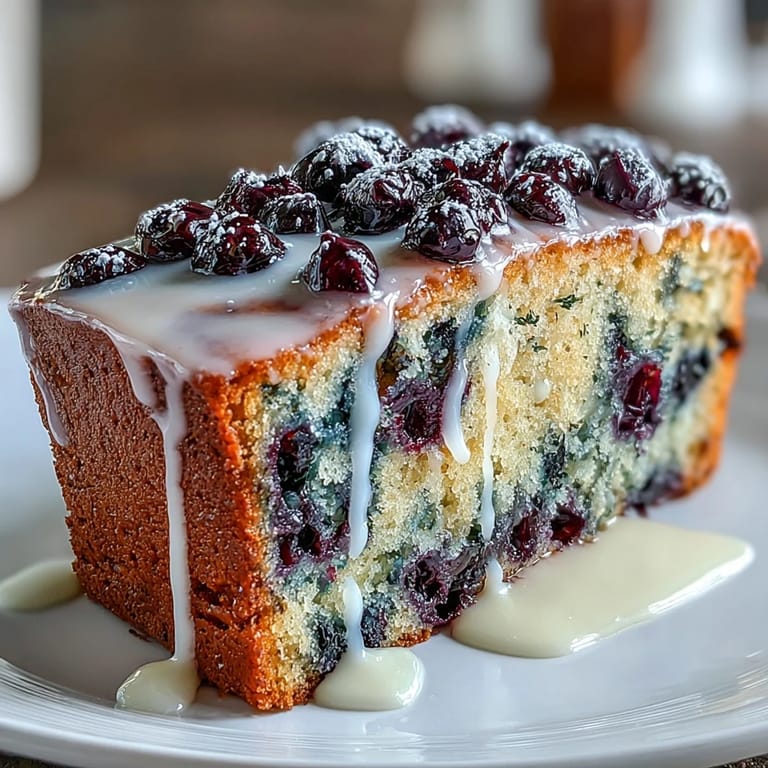
Save Last spring, I made three loaves of this for a new mom's welcome dinner, and watching her tear up when she saw the lemon glaze shimmer under the kitchen light made me understand why we bake for people. Food tastes better when it's made with someone's joy in mind.
Lemon Zest Is Everything
The first time I made lemon cake, I thought lemon juice alone would be enough flavor, and the result was disappointingly flat. I learned the hard way that lemon zest carries the bright, fragrant oils that juice simply can't deliver; it's the difference between tasting lemon and tasting lemony. Now I always zest my lemons first, before cutting them in half for juice, using a microplane zester that creates fine, fluffy strands that distribute beautifully throughout the batter.
Why Blueberries Matter Here
Blueberries aren't just pretty jewels studded into the loaf; they add moisture, slight tartness, and a textural surprise that keeps each bite interesting. I've made this with blackberries, raspberries, and even diced strawberries, and while they're all lovely, something about blueberries feels right with lemon, like they were made for each other. The way they stay plump and intact is honestly one of the reasons people ask for this recipe repeatedly.
Tea Time Pairing and Serving
This loaf is at its absolute best served still slightly warm with a cup of Earl Grey tea or hot lemon water, when the crumb is tender and the glaze is just set. I've also served it at room temperature with sparkling water and a twist of lemon for afternoon gatherings, and it transports just as beautifully wrapped in parchment and tied with string.
- Slice with a serrated knife that's been dipped in hot water and wiped dry for clean, professional-looking pieces.
- Store leftovers wrapped tightly at room temperature for up to three days, or freeze for up to a month if wrapped in plastic wrap and foil.
- Bring the loaf to room temperature before serving after freezing so the crumb regains its tender texture.
 Save
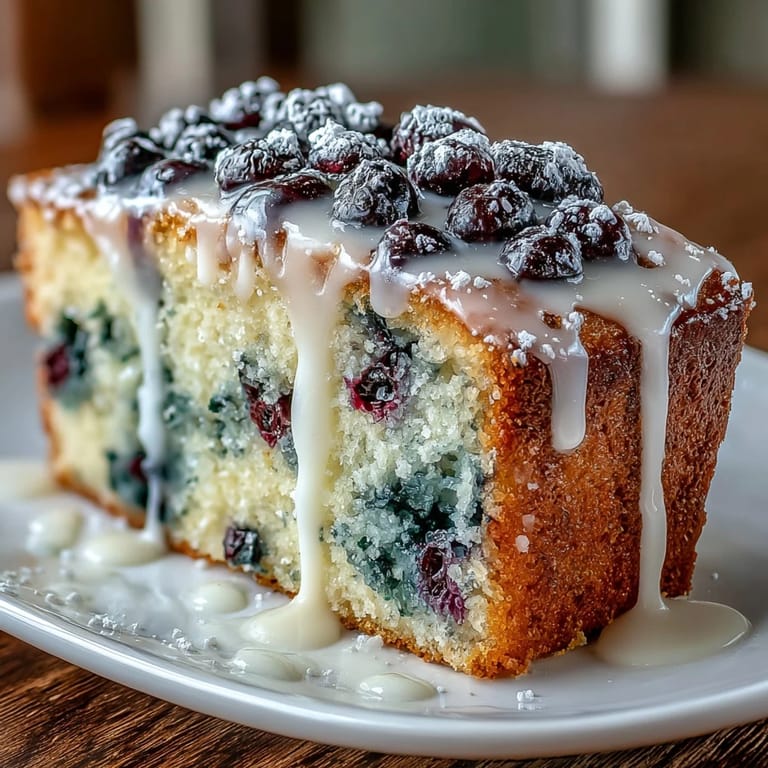
Save This lemon loaf has become my answer to almost every celebration, because it's beautiful, approachable, and genuinely delicious. I hope it brings as much joy to your table as it's brought to mine.
Recipe Questions & Answers
- → How can I prevent blueberries from sinking in the batter?
Toss the blueberries with a small amount of flour before folding them into the batter. This helps keep them suspended and evenly distributed.
- → What alternatives can I use for sour cream?
Greek yogurt works well as a substitute for sour cream, offering a slightly tangier flavor and similar texture.
- → How do I achieve a moist texture in this loaf?
Using a combination of butter, eggs, and sour cream or yogurt helps keep the loaf moist and tender throughout.
- → Can I make this loaf gluten-free?
Yes, substitute the all-purpose flour with a gluten-free blend suitable for baking, ensuring the same measurements for best results.
- → What is the best way to store the loaf?
Store the loaf covered at room temperature for up to two days or refrigerate it wrapped tightly to maintain freshness for several more days.
- → Is it possible to freeze the loaf?
Yes, wrap the cooled loaf tightly in plastic wrap and foil before freezing. Thaw thoroughly before glazing and serving.