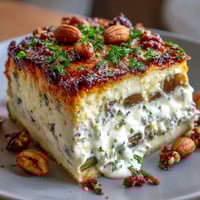
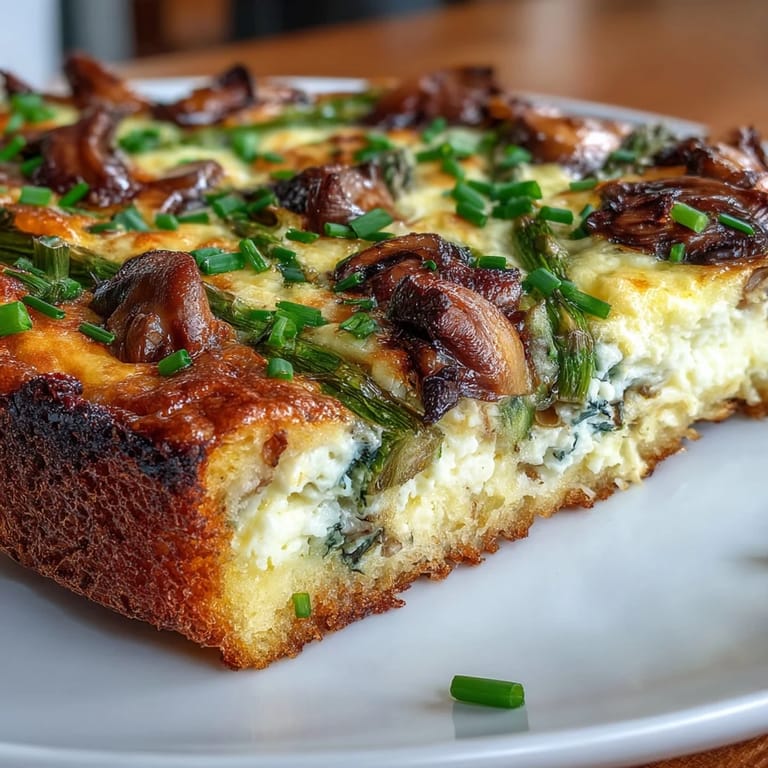
 Save
Save There's something about spring that makes me want to bake eggs in bread, which sounds stranger than it actually is. One Saturday morning, I had leftover sourdough and a bunch of asparagus that needed using, so I decided to layer them together into something crispy and custardy and utterly forgiving. The result was this frittata—equal parts brunch showstopper and weeknight dinner savior, depending on who you're cooking for.
I made this for my neighbor last spring when she mentioned craving something that wasn't sandwich-adjacent, and watching her eyes light up when she cut into the warm, custardy center felt like the highest compliment a home cook could receive. She ate two slices and asked for the recipe before she'd even finished chewing, which tells you everything you need to know about how this one performs under pressure.
Ingredients
- Sourdough bread, 6 slices with crusts removed: This is your edible foundation, so pick bread with good structure that won't get soggy—day-old sourdough is actually ideal here.
- Unsalted butter, 2 tbsp melted: Brush this onto the bread to help it crisp up in the oven; it's the secret to keeping the crust from becoming bread pudding.
- Fresh asparagus, 1 cup trimmed and cut into 1-inch pieces: Spring asparagus is thinner and more tender, so it cooks faster and tastes brighter than woody winter stalks.
- Cremini or button mushrooms, 1 cup sliced: Cremini mushrooms have slightly more flavor than white buttons, but either works; slice them evenly so they cook at the same rate.
- Small shallot, 1 finely chopped: This adds sweetness and depth that plain onion can't quite match, and it mellows beautifully as it cooks.
- Olive oil, 2 tbsp: Use regular olive oil here, not your best extra virgin—you want something that won't smoke when sautéing vegetables.
- Large eggs, 8: Room temperature eggs blend more smoothly into the custard, creating a more velvety texture throughout.
- Whole milk, 1/3 cup: This keeps the custard tender; skimping on liquid makes the frittata dense and rubbery.
- Heavy cream, 1/4 cup: The secret ingredient that makes the filling taste like silk and keeps it from becoming too firm.
- Gruyère cheese, 1/2 cup grated: Gruyère melts better than cheddar and adds a subtle nuttiness that makes people wonder what your secret is.
- Parmesan cheese, 1/4 cup grated: This adds a salty, umami punch that keeps the frittata from tasting one-note.
- Fresh chives, 2 tbsp chopped: Stir these in at the end so they stay bright and oniony; cooking them destroys their whole purpose.
- Salt and black pepper to taste: Don't undersalt—frittatas need a proper seasoning hand to taste like anything at all.
Tired of Takeout? 🥡
Get 10 meals you can make faster than delivery arrives. Seriously.
One email. No spam. Unsubscribe anytime.
Instructions
- Start your oven and prepare your pan:
- Preheat to 375°F and butter your springform or pie dish generously; you want the sides slick so the finished frittata releases cleanly. A 9-inch springform is ideal because you can unbuckle it right at the table.
- Build your bread crust:
- Arrange sourdough slices to line the bottom and sides, letting them overlap slightly like shingles. Brush with melted butter and bake for 8-10 minutes until the edges turn golden and crispy—this step is what separates a real frittata from scrambled eggs in bread.
- Sauté your vegetables:
- Heat olive oil in a skillet and cook the shallot first for 1-2 minutes until it softens and smells sweet. Add mushrooms and cook until they release their moisture and shrink, about 4 minutes, then add the asparagus and cook for another 2-3 minutes until just tender.
- Prepare your egg mixture:
- In a large bowl, whisk together eggs, milk, cream, both cheeses, chives, salt, and pepper until everything is evenly combined and the mixture is pale. Don't overmix, but do make sure there are no streaks of egg white hiding at the bottom.
- Assemble and bake:
- Spread sautéed vegetables over the crust, pour the egg mixture over top, and slide into the oven. Bake for 25-30 minutes until the top is puffed and golden and the center no longer jiggles when you gently shake the pan.
- Rest and serve:
- Let it cool for 5 minutes before releasing from the springform—this makes slicing cleaner and prevents the whole thing from sliding around your plate. Serve warm or at room temperature with a simple salad.
 Save
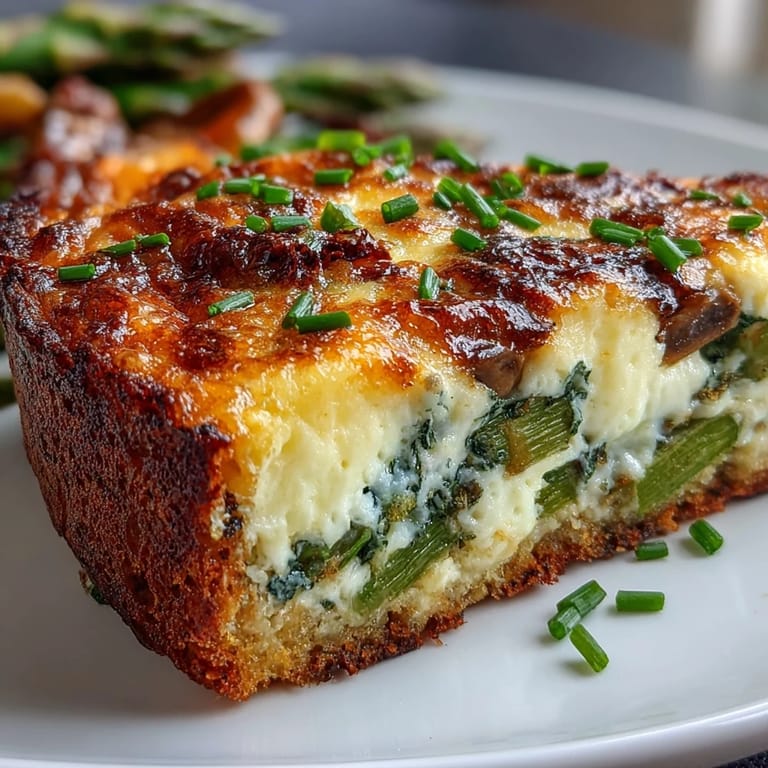
Save The first time someone told me this tasted restaurant-quality, I realized it wasn't about complexity or fancy ingredients—it was about understanding how each component plays its part. A crispy crust. Tender vegetables. A silky, cheese-forward custard. Together they become something that feels generous and thoughtful on the plate.
Why Spring Vegetables Matter Here
Spring asparagus and early-season mushrooms taste different than their winter cousins, and that brightness matters when you're building something this simple. Asparagus in April is tender and mild; asparagus in January tastes wooden by comparison. The same goes for mushrooms—spring varieties are earthier but less bitter than fall varieties. If you're making this outside asparagus season, don't force it; swap in zucchini, baby spinach, or thinly sliced bell peppers instead and the frittata will be just as good, just different.
Substitutions That Actually Work
The formula here is flexible in the way that matters most. Swap the cheeses for whatever aged varieties you have on hand, or go dairy-free with plant-based alternatives if that's your style. Pancetta or smoked salmon turn this vegetarian frittata into something different, but equally delicious. Even the sourdough can be replaced with brioche or regular white bread, though you'll lose the tangy flavor that makes this feel special.
The Pairing Question
This frittata wants acidic company—a crisp white wine like Sauvignon Blanc, or even a dry Riesling. A simple green salad with lemon vinaigrette cuts through the richness and balances the plate. Some mornings I've eaten it with fresh fruit on the side and felt like I'd given myself a proper breakfast instead of just making do with leftovers.
- If you're serving this for brunch, set it out at room temperature so people can graze; it actually tastes better that way.
- Leftovers keep for three days in the refrigerator, which means you can slice and reheat by the piece or eat cold straight from the fridge.
- Make this a day ahead if you're hosting and have one fewer thing to worry about on the morning of your gathering.
 Save
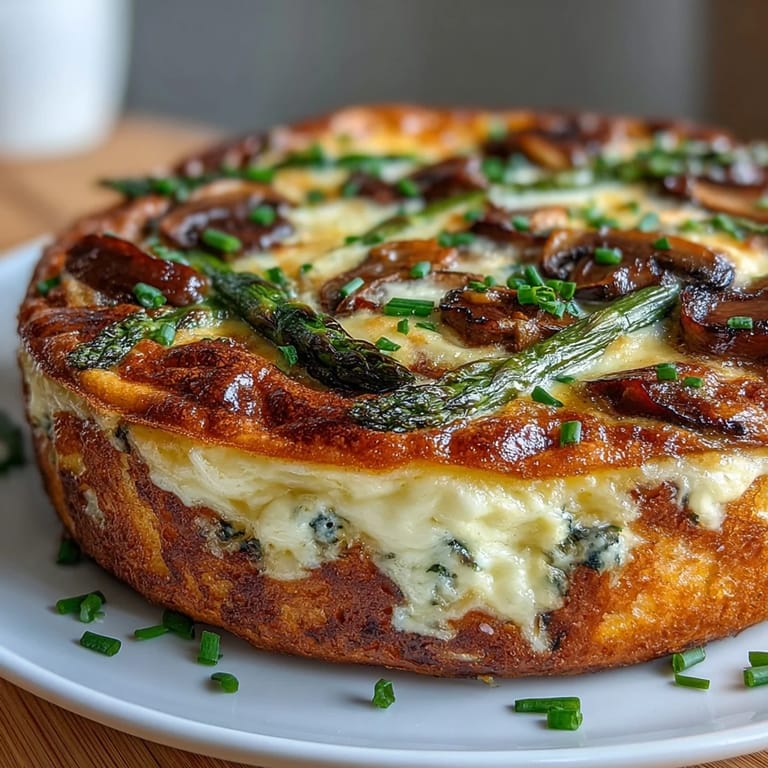
Save This frittata sits somewhere between comfort and refinement, which might be why it keeps showing up on my table whenever the weather turns mild and I want to cook something that feels both effortless and intentional. Make it once and it becomes a regular in your rotation.
Recipe Questions & Answers
- → How do I ensure the sourdough crust stays crisp?
Brushing the sourdough slices with melted butter before a brief bake helps the crust crisp evenly and prevents sogginess when the egg mixture is added.
- → Can I prepare the vegetable filling in advance?
Yes, sauté the asparagus, mushrooms, and shallot ahead and refrigerate. Assemble and bake just before serving for best texture.
- → What cheese works best in this dish?
A mixture of Gruyère and Parmesan provides a creamy, nutty flavor that complements the vegetables and enriches the egg filling.
- → How can I adapt this for a dairy-free diet?
Use plant-based milk and cheese substitutes, and replace butter with a non-dairy alternative when preparing the crust.
- → Is it necessary to use a springform pan?
A springform pan is ideal for easy removal without damaging the crust, but a deep pie dish can also be used with careful handling.
- → What serving ideas pair well with this dish?
Serve with a crisp green salad and a glass of Sauvignon Blanc to complement the flavors and keep the meal light.