 Save
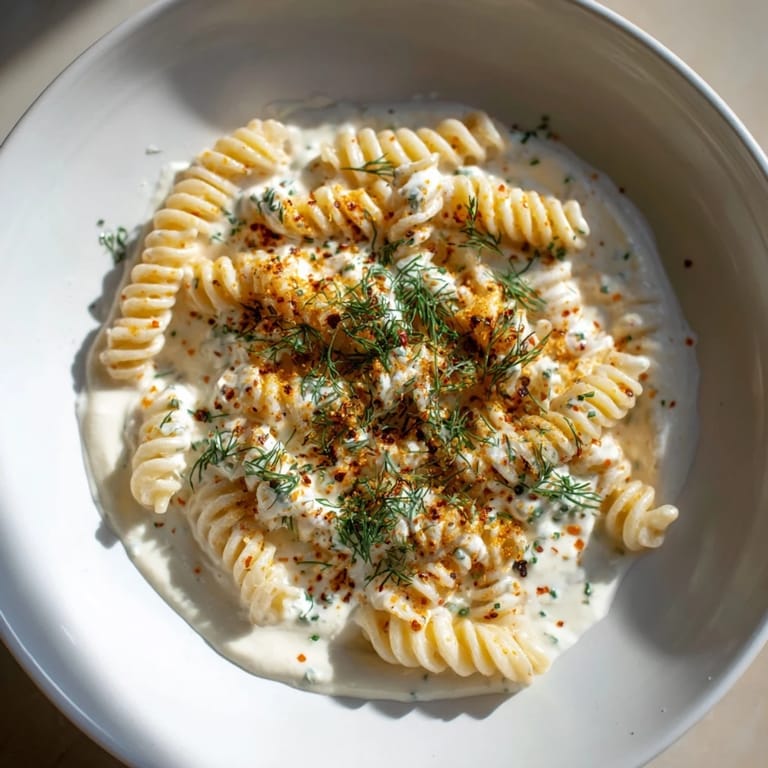
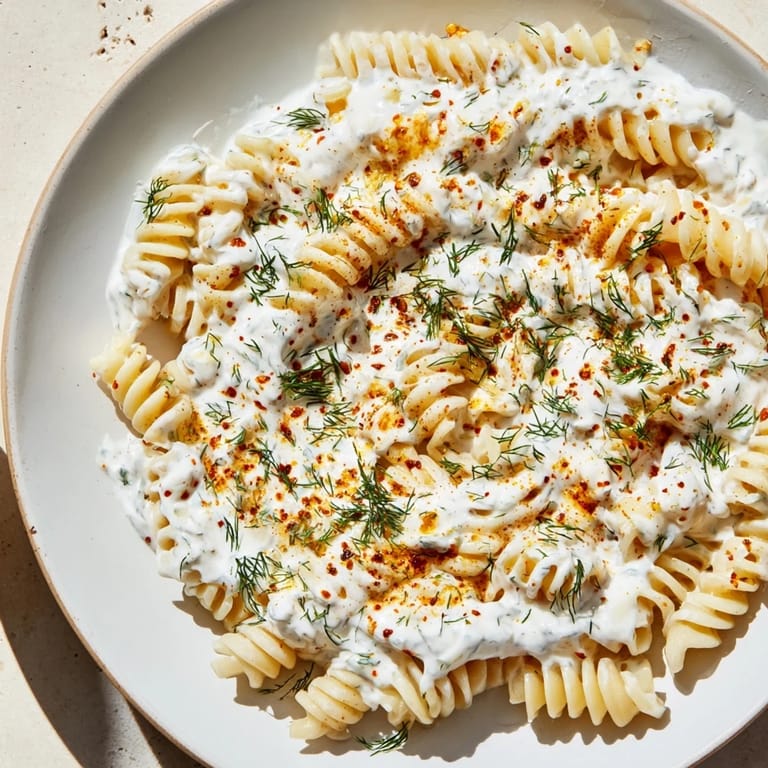
Save There's something about the simplicity of Turkish yogurt pasta that catches you off guard. I was standing in a tiny kitchen in Istanbul, watching my friend's mother stir a pot with the kind of ease that only comes from making something a hundred times, and suddenly I understood why this dish had been part of her family's weeknight rotation for decades. The pasta disappeared into clouds of garlicky yogurt, and then came the moment that changed everything—that golden, spiced butter hitting the top of the bowl, releasing aromas that made everyone lean in closer. It wasn't fancy, but it felt like being wrapped in something warm and familiar.
My first attempt at home was slightly panicked—I'd underestimated how much the yogurt would coat the hot pasta, and I almost added more sauce than pasta itself. But that happy accident taught me something valuable: the interplay between the cool yogurt and the warm, fragrant butter is what makes this dish sing. Once I got the proportions right, I started making it constantly, and it became the dish I'd turn to when I wanted something that felt indulgent without being complicated.
Ingredients
- Dried pasta (fusilli or penne, 400 g): The ridges and curves catch the yogurt sauce beautifully, so avoid smooth pasta if you can.
- Plain full-fat yogurt (400 g): This is non-negotiable—the fat is what makes the sauce silky, so don't reach for low-fat versions.
- Garlic (2 cloves, minced fine): Two cloves might seem delicate, but it's enough to whisper into every bite without overwhelming the yogurt.
- Salt: You'll use it twice—once for the pasta water, once for the yogurt sauce—so taste as you go.
- Unsalted butter (60 g) and olive oil (1 tablespoon): The combination gives you better browning than butter alone.
- Sweet paprika (1.5 teaspoons): This is your warm spice base, giving the butter its color and gentle heat.
- Aleppo pepper or red pepper flakes (1/2 teaspoon): Aleppo has a fruity warmth that's milder than standard flakes, but either works depending on your heat preference.
- Dried mint (1/4 teaspoon, optional): If you add it, the whole dish shifts toward something more herbaceous and bright.
- Fresh dill or parsley for garnish: The fresh herb at the end is your last chance to add color and a leafy freshness that cuts through the richness.
Tired of Takeout? 🥡
Get 10 meals you can make faster than delivery arrives. Seriously.
One email. No spam. Unsubscribe anytime.
Instructions
- Boil your pasta water generously:
- Fill a large pot about three-quarters full with water, add a tablespoon of salt, and let it come to a rolling boil. This is where you're building flavor into every strand of pasta from the start.
- Cook the pasta to al dente:
- Follow your package instructions, but taste it a minute before the timer goes off—you want it tender but with just a whisper of resistance. Drain it, but save 2 tablespoons of that starchy water like it's liquid gold.
- Whisk the yogurt sauce:
- In a bowl, whisk together the yogurt, minced garlic, and salt until smooth. If your yogurt is thick, add spoonfuls of that reserved pasta water until it's pourable but still coats a spoon.
- Make the spiced butter:
- Over medium heat, melt the butter with olive oil until it stops foaming and starts to smell nutty. Add your paprika, Aleppo pepper, and mint (if using), and let it warm through for about a minute until the spices bloom and release their aromas—that's your sign it's ready.
- Bring everything together:
- While the pasta is still warm, toss it with the yogurt sauce in a large bowl, making sure every piece gets coated. The warmth helps the yogurt cling to the pasta in a silky way.
- Finish and serve:
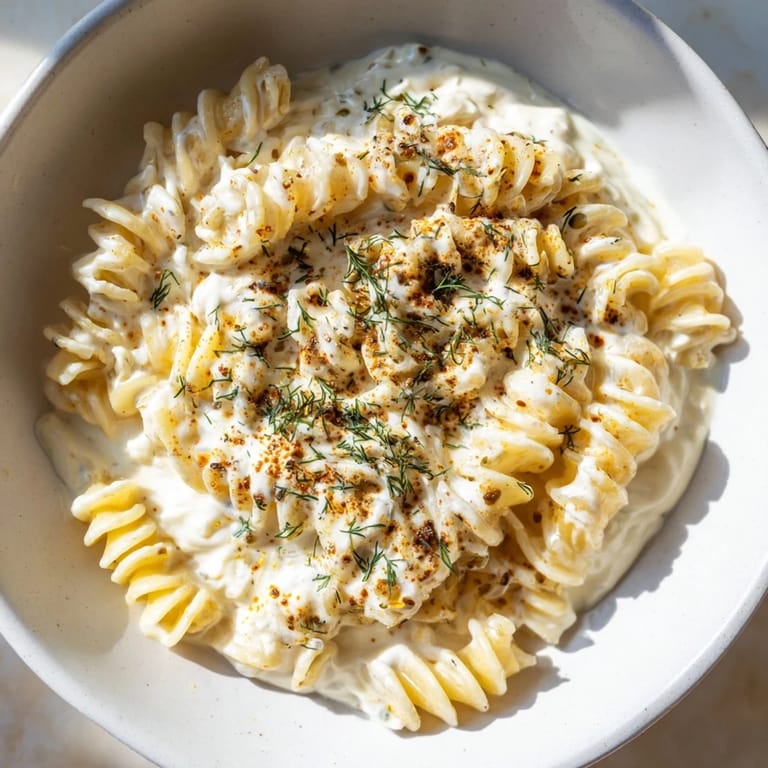
- Divide the dressed pasta into bowls and drizzle each one with a generous spoonful of that spiced butter. Top with fresh herbs if you have them, and serve while everything is still warm.
 Save
Save I remember my partner taking that first bite and then immediately asking when I was making this again, which is always a good sign. What struck me most was how a dish that sounds so minimal—pasta, yogurt, some butter and spices—managed to feel like a complete meal, something to savor and not just eat on autopilot.
Timing and Rhythm
The beauty of this dish is that everything happens in a concentrated 25-minute window, which means you need to stay present. Boil the water while you mince your garlic, cook the pasta while you whisk the sauce, and have the spiced butter ready the moment the pasta hits the bowl. There's a momentum to it that keeps you engaged in the kitchen, which honestly feels like part of the appeal—you're not standing around waiting for things to happen.
Variations and Improvisations
This recipe is deceptively flexible once you understand its bones. I've added crispy chickpeas for protein and texture, stirred in a handful of spinach that wilts from the residual heat, and even topped it with a fried egg to make it feel more indulgent. One evening I had no fresh herbs, so I crumbled some crispy sage leaves I'd fried in the spiced butter, and it completely changed the character of the dish in the best way. The core—the yogurt sauce and spiced butter—is what matters; everything else is you making it your own.
Serving and Pairing
This dish wants simple accompaniments that won't compete with its delicate balance. A cold salad with sharp vinaigrette cuts through the richness beautifully, and thick slices of crusty bread become essential for soaking up every last drop of sauce. I've also served it alongside quick-pickled vegetables—turnips or radishes—which add a brightness that feels almost necessary.
- If you make this in spring or summer, a bright tomato salad with lots of lemon juice is your ideal companion.
- For a winter version, roasted beets with their greens tossed with olive oil and salt feels more grounding.
- Never skip the bread—it transforms the experience from a pasta dish into a more complete, satisfying meal.
 Save
Save Turkish yogurt pasta is one of those dishes that proves you don't need fancy technique or a long list of ingredients to create something genuinely delicious. Once you've made it, you'll understand why it survives in kitchens across generations—it's simply good food that makes people happy.
Recipe Questions & Answers
- → What type of pasta works best?
Fusilli or penne are ideal as their shapes hold the yogurt sauce well, enhancing each bite.
- → How do I make the yogurt sauce creamy?
Whisk garlic and salt into full-fat yogurt, then thin with a little reserved pasta water until smooth and spreadable.
- → Can I substitute Aleppo pepper?
Yes, mild chili flakes make a great alternative, providing gentle heat without overpowering the dish.
- → What is the role of the spiced butter?
Spiced butter adds a fragrant, savory finish with richness and warm notes from paprika, enhancing the dish's depth.
- → Are fresh herbs necessary?
They add a fresh, bright contrast but can be omitted if unavailable without sacrificing the core flavors.