 Save
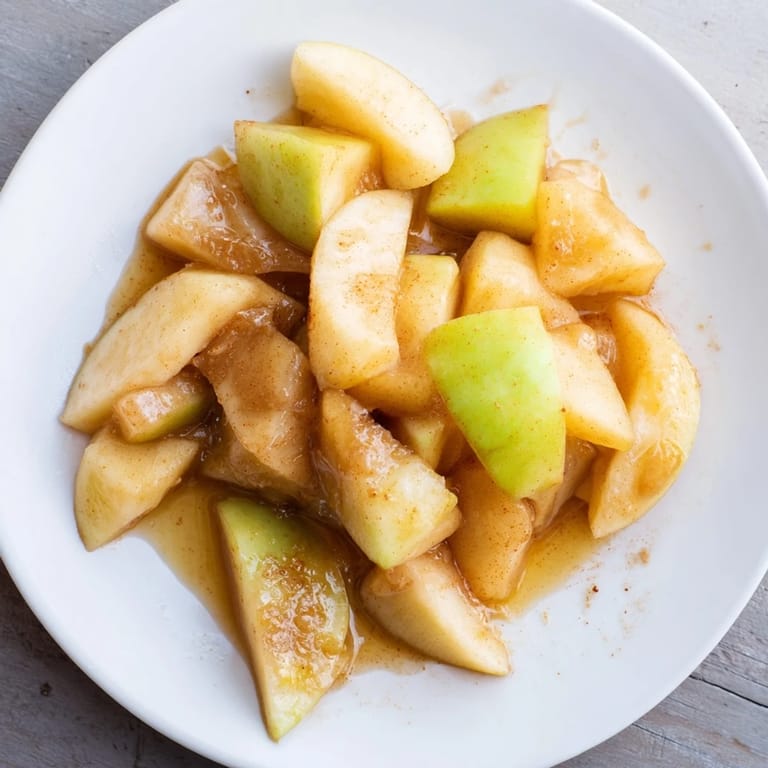
Save There's something almost meditative about the way apples transform in a slow cooker—what starts as firm chunks gradually softens into something silky and sweet, filling your kitchen with the most comforting cinnamon-tinged warmth. I discovered this recipe on a crisp autumn morning when I had a bowl of apples that needed using and only a vague idea of what to do with them. The slow cooker seemed like the lazy-day solution, but what emerged three hours later was so unexpectedly good that I've made it dozens of times since. Now it's become my go-to when I want something that tastes like care without requiring constant attention.
I'll never forget serving this to my sister at her house one Sunday morning, spooned over thick Greek yogurt while we sat in her kitchen still in pajamas, and watching her eyes light up like I'd just made something fancy instead of tossing apples in a pot before breakfast. That moment made me realize how often we overlook the power of simple, slow-cooked food to make people feel genuinely cared for.
Ingredients
- Apples (6 large): Granny Smith, Honeycrisp, or Fuji varieties work beautifully—pick ones that are firm and tart enough to hold their own against the sweetness, and don't worry about them being perfectly ripe since the slow cook softens everything.
- Honey (1/4 cup): This is your sweetener and also what gives the finished compote that glossy, luxurious texture; darker honey adds a deeper note if you have it.
- Ground cinnamon (1/2 teaspoon): Half a teaspoon might seem small, but it's the backbone of the flavor—it perfumes the whole thing without overwhelming the apple.
- Lemon juice (1 tablespoon): This keeps everything bright and prevents the sweetness from becoming cloying; taste and adjust if your apples are already quite tart.
- Water (1/4 cup): Just enough to create steam and keep things from drying out; you'll be surprised how much liquid the apples release on their own.
- Ground nutmeg (1/4 teaspoon, optional): A tiny whisper of warmth that makes people ask what that wonderful spice is without being able to name it.
- Vanilla extract (1/2 teaspoon, optional): Stir this in at the very end to keep its delicate flavor from cooking away.
- Salt (pinch): A small hit of salt amplifies all the other flavors and makes the apples taste more like themselves.
Tired of Takeout? 🥡
Get 10 meals you can make faster than delivery arrives. Seriously.
One email. No spam. Unsubscribe anytime.
Instructions
- Get your apples ready:
- Peel, core, and chop them into roughly 1-inch pieces—don't stress about perfection here, since they're going to cook down anyway. The peeling matters because you want that smooth finished texture.
- Build the flavors:
- Toss your apple chunks into the slow cooker and drizzle everything with honey and lemon juice, then sprinkle the cinnamon (and nutmeg if you're using it) right over the top. A pinch of salt goes in here too.
- Add liquid and stir:
- Pour in the water, give everything a gentle stir to combine, and taste the apple-honey mixture raw just to check the sweetness balance. You want to adjust now while you can, not after three hours.
- Let time do the work:
- Cover and set your slow cooker to low for 3 hours; stir once or twice if you think of it, but honestly it doesn't need much attention. You'll know it's ready when the apples are completely tender and the whole thing smells like an autumn kitchen.
- Finish and serve:
- If you're using vanilla, stir it in right at the end. Serve warm over oatmeal, yogurt, or ice cream, or eat it straight from a bowl with granola.
 Save
Save There was one night when I made this for a dinner party and someone asked if I'd used some fancy thickening agent, and when I said it was just apples, they looked genuinely surprised. That's when I understood that patience and heat can make ordinary ingredients feel luxurious in a way that fussy techniques sometimes can't.
Texture Talk
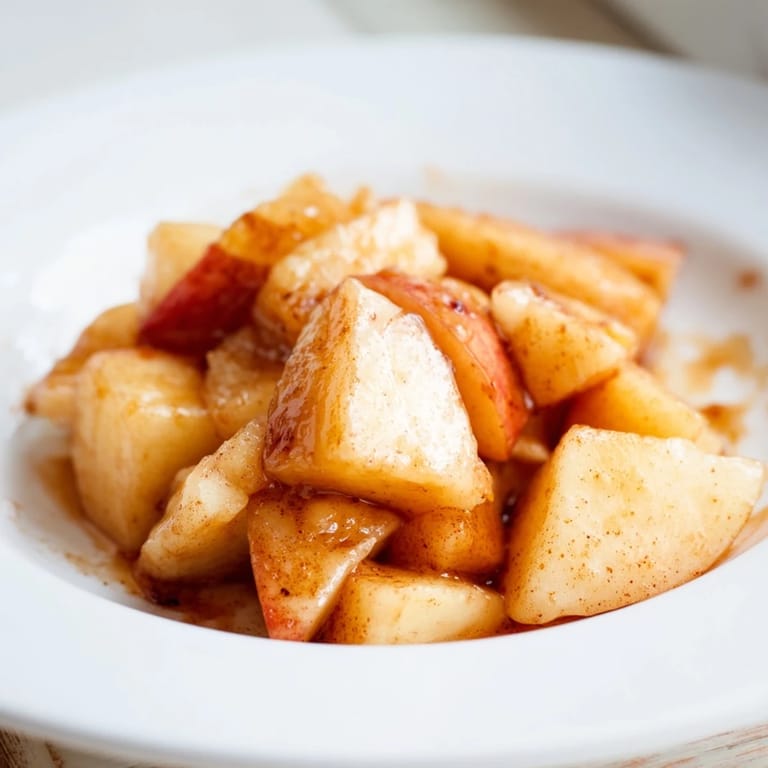
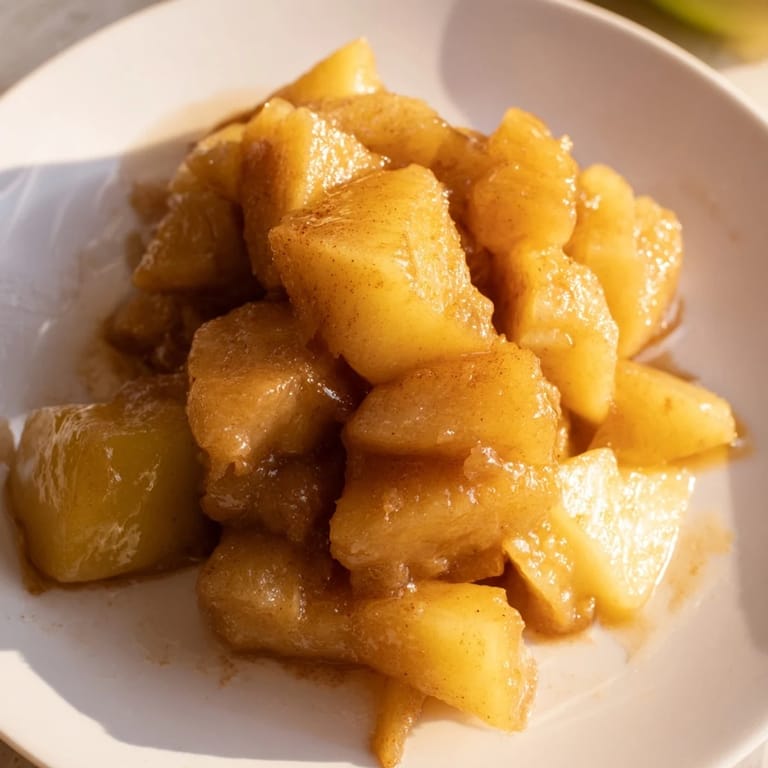
One of the beautiful things about this recipe is how flexible it is with texture. If you like your compote chunky enough that you can still identify apple pieces, pull it out at the two-and-a-half-hour mark and give it a gentle stir without mashing. If you prefer something closer to applesauce, let it go the full three hours and then either mash it lightly with a fork or leave it broken down naturally—the apples will practically fall apart on their own.
Sweetness and Swaps
Honey is my standard, but I've successfully made this with maple syrup when that's what I had in the pantry, and brown sugar works too if you pack it gently and decrease it slightly since it's sweeter than honey. The point is to taste as you go—apples vary in tartness depending on the season and variety, so what feels perfectly balanced in October might need an adjustment in January. I always taste the raw mixture and then again at the end, adjusting the sweetness or lemon before declaring it done.
Beyond Breakfast
I've learned that this isn't just for sweet applications—I've spooned warm stewed apples alongside roasted pork chops and served it with sharp cheese at the end of dinner. It works as a bridge between courses and as a way to round out plates that feel like they're missing something. The warm spices and natural sweetness pair surprisingly well with savory foods, which is something most people don't expect until they taste it.
- Serve it warm or at room temperature depending on your mood and what it's going alongside.
- Make it on Sunday and you'll have it ready for the entire week, spooned over breakfasts or stirred into desserts.
- If you have leftover, it reheats gently in a small saucepan or microwave, and it keeps for about five days in the fridge.
 Save
Save This recipe reminds me that some of the most satisfying things we make in the kitchen happen almost by accident, when we throw together what we have and let time and heat do their magic. It's comfort food at its most honest.
Recipe Questions & Answers
- → What type of apples work best for this dish?
Firm, tart varieties such as Granny Smith, Honeycrisp, or Fuji hold their shape well and offer a nice balance of sweetness and acidity.
- → Can I adjust the sweetness level?
Yes, you can vary the amount of honey or substitute it with maple syrup or brown sugar to suit your taste preferences.
- → How do I achieve a chunkier or smoother texture?
Cook for less time and stir gently for a chunkier texture, or mash the apples after cooking for a smoother consistency.
- → Is it necessary to use a slow cooker?
A slow cooker ensures gentle, even heat that tenderizes the apples and melds the flavors beautifully, but a stovetop simmer on low heat can be an alternative.
- → What are some serving suggestions?
Enjoy warm over oatmeal, pancakes, or yogurt; it also pairs well as a topping for ice cream or alongside roast pork.