 Save
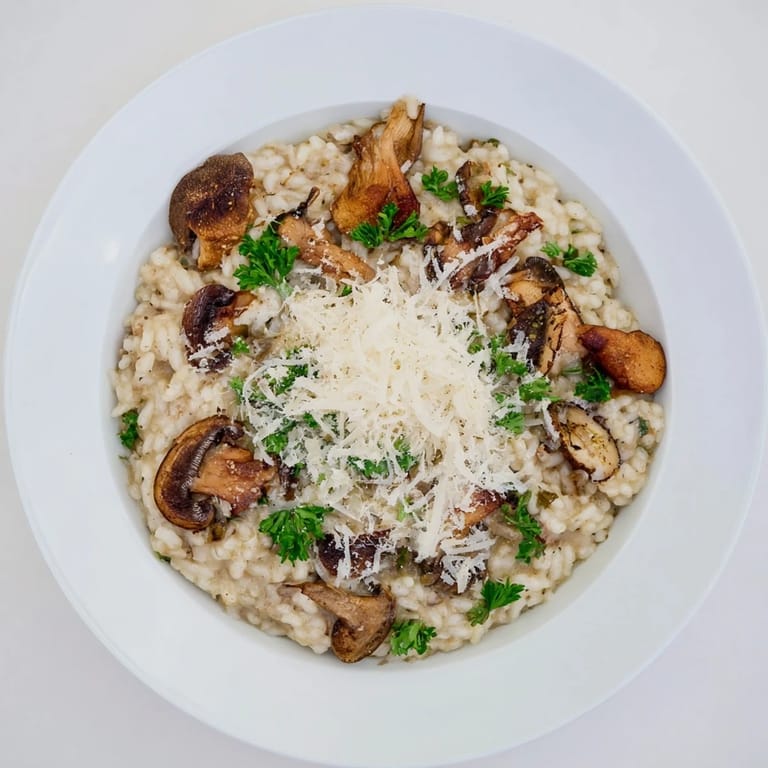
Save The smell hit me before I even opened the oven door: earthy mushrooms turning golden at the edges, thyme releasing its perfume into the hot air. I was making risotto for the third time that month, finally understanding why my neighbor insisted I roast the mushrooms separately instead of stirring them in raw. That one change turned everything around. The mushrooms caramelized, their flavor deepened, and suddenly my risotto stopped tasting flat.
I made this the night my sister came over unannounced, tired and hungry from a rough week. We stood at the stove together, trading the wooden spoon back and forth, adding broth and talking about nothing important. By the time we sat down to eat, the kitchen smelled like butter and cheese, and her mood had lifted. She told me later it wasnt just the food, it was the act of making it together, the small task that required attention but left room for conversation.
Ingredients
- Mixed mushrooms (400 g): Use a combination of cremini, shiitake, and button for varied texture and depth; shiitake adds a slightly smoky note while cremini bring earthiness.
- Olive oil (2 tbsp for mushrooms, 1 tbsp for risotto): Helps the mushrooms caramelize in the oven and adds richness to the rice without overpowering the dish.
- Sea salt and black pepper: Season the mushrooms before roasting so the flavors penetrate as they cook, not just sit on the surface.
- Fresh thyme (2 tsp): Its woodsy aroma pairs naturally with mushrooms; if using dried, reduce to 1 tsp and add it early so it softens.
- Vegetable broth (1.5 L): Keep it warm on a back burner; cold broth shocks the rice and slows down the cooking process.
- Unsalted butter (2 tbsp): Creates a silky base when combined with olive oil and helps the onions soften without browning too quickly.
- Yellow onion (1 medium): Finely chop it so it melts into the risotto; large chunks disrupt the creamy texture.
- Garlic (2 cloves): Mince it fresh and add it just before the rice so it releases its fragrance without burning.
- Arborio rice (320 g): The high starch content is what makes risotto creamy; do not rinse it or youll wash away the magic.
- Dry white wine (120 ml): It deglazes the pan and adds acidity that balances the richness; use something youd actually drink.
- Parmesan cheese (60 g): Grate it fresh from a block; pre-grated versions contain anti-caking agents that make the risotto grainy instead of smooth.
- Fresh parsley (2 tbsp): Chop it at the last minute and stir it in just before serving for a bright, grassy contrast to the richness.
Tired of Takeout? 🥡
Get 10 meals you can make faster than delivery arrives. Seriously.
One email. No spam. Unsubscribe anytime.
Instructions
- Roast the mushrooms:
- Preheat your oven to 220°C (425°F) and toss the sliced mushrooms with olive oil, salt, pepper, and thyme until evenly coated. Spread them in a single layer on a baking sheet and roast for 20 to 25 minutes, stirring once halfway through, until theyre golden brown at the edges and smell like the forest floor after rain.
- Start the risotto base:
- While the mushrooms roast, heat butter and olive oil in a large, heavy-bottomed saucepan over medium heat until the butter melts and starts to foam. Add the finely chopped onion and cook, stirring occasionally, for about 5 minutes until it turns soft and translucent but not browned.
- Add garlic and toast the rice:
- Stir in the minced garlic and cook for about 1 minute until it smells fragrant and sweet. Add the arborio rice and stir constantly for 2 minutes, letting each grain get coated in the fat and lightly toasted; youll hear a gentle crackling sound.
- Deglaze with wine:
- Pour in the white wine and stir until its almost completely absorbed, scraping up any bits stuck to the bottom of the pan. The kitchen will smell sharp and bright for a moment before the alcohol cooks off.
- Add broth gradually:
- Begin adding the warm vegetable broth one ladleful at a time, stirring frequently and waiting until each addition is mostly absorbed before adding the next. Continue this process for 25 to 30 minutes until the rice is creamy, tender, and still has a slight bite in the center.
- Fold in mushrooms and cheese:
- Stir in the roasted mushrooms (save a few for garnish if you want), the grated Parmesan, and chopped parsley, then taste and adjust with salt and pepper. The risotto should be loose enough to spread slightly when spooned onto a plate, not stiff or clumpy.
- Serve immediately:
- Spoon the risotto into shallow bowls, top with extra Parmesan and a few reserved mushrooms, and bring it to the table while its still steaming. Risotto waits for no one.
 Save
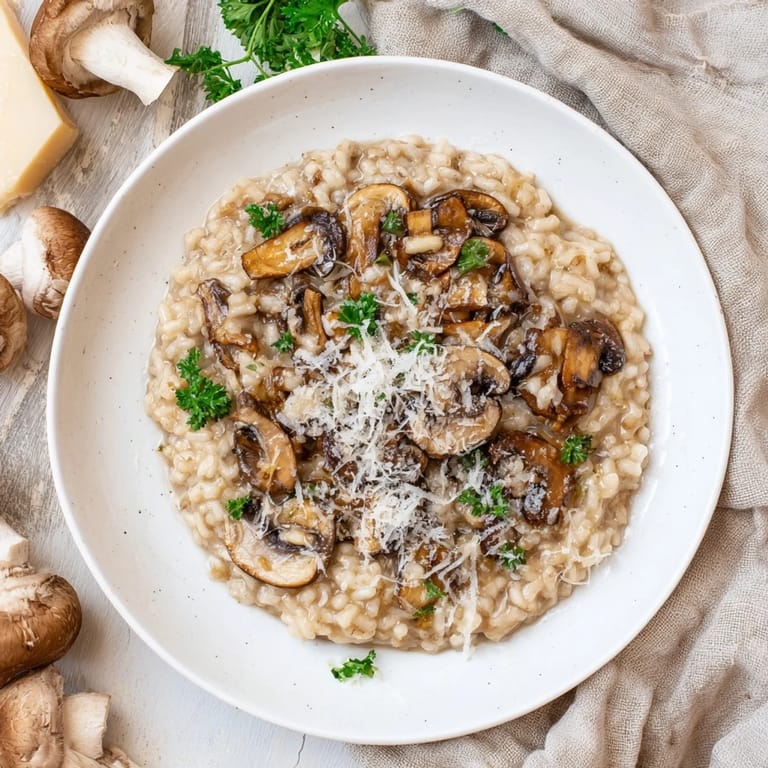
Save The first time I served this to friends, one of them scraped his bowl so clean it looked like it had been through the dishwasher. He looked up, embarrassed, and said he couldnt help himself. That moment made me realize how much a dish can communicate care without saying a word. It wasnt just rice and mushrooms anymore; it was a gesture, a welcome, proof that someone thought they were worth the effort of standing at a stove for half an hour.
Choosing Your Mushrooms
I used to buy whatever mushrooms were on sale, but I learned that variety matters more than I thought. Cremini mushrooms give you a mild, earthy base, shiitakes add a deeper, almost meaty richness, and button mushrooms soak up the olive oil and thyme beautifully. Mixing them creates layers of flavor instead of a one-note taste. If you can find oyster or chanterelles, even a small handful tucked in with the others will make the dish feel special.
Why Warm Broth Changes Everything
The first few times I made risotto, I added cold broth straight from the carton and wondered why my rice took forever to cook and turned out gummy. Keeping the broth warm on a back burner means the rice stays at a steady simmer, releasing starch gradually and evenly. Cold liquid drops the temperature every time you add it, interrupting the process and making the texture unpredictable. It sounds fussy, but this one adjustment makes the difference between creamy risotto and something closer to porridge.
Finishing Touches That Matter
A tablespoon of cold butter stirred in at the very end, after the heat is off, makes the risotto glossy and luxurious. I learned this from a cooking video late one night and tried it the next day; the texture went from good to restaurant-quality. Fresh parsley added just before serving keeps its color bright and its flavor grassy instead of dull and cooked out.
- If you want extra richness, stir in a spoonful of mascarpone or creme fraiche along with the Parmesan.
- A squeeze of lemon juice at the end cuts through the richness and wakes up all the other flavors.
- Leftover risotto can be shaped into patties, chilled, and pan-fried in butter for crispy rice cakes the next day.
 Save
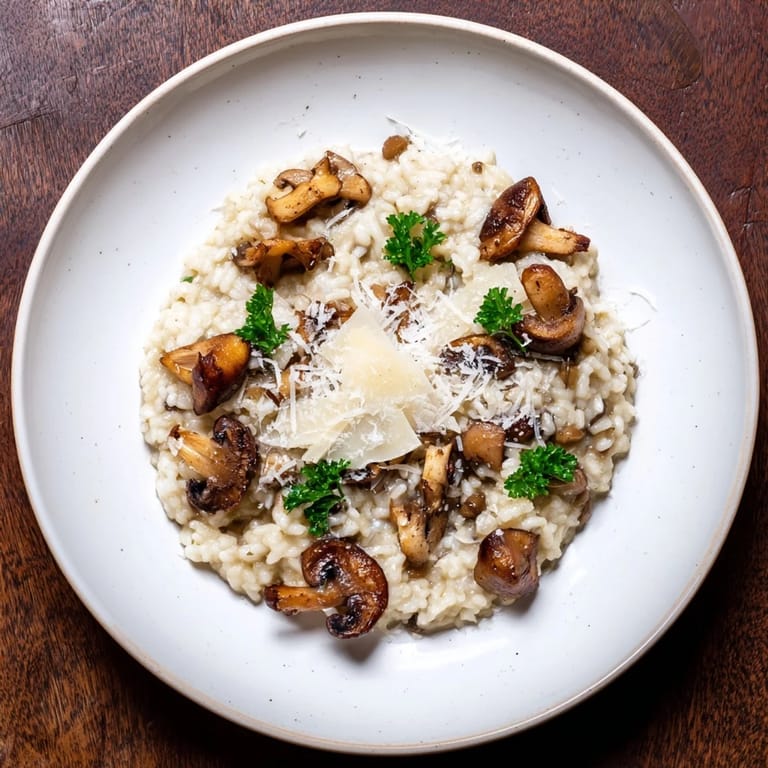
Save This risotto has become my answer to the question of what to make when I want to feel grounded and present in my own kitchen. It asks for your time and attention, and in return, it gives you something warm, satisfying, and entirely worth the effort.
Recipe Questions & Answers
- → Why do you roast the mushrooms separately?
Roasting concentrates the mushroom's natural flavors through caramelization, creating a rich, umami-forward base. This separate step prevents moisture from interfering with the risotto's creamy texture during the slow cooking process.
- → How do you achieve creamy risotto without cream?
The starch released from arborio rice as it cooks creates natural creaminess. Continuously stirring and gradually adding warm broth encourages this release, while butter and Parmesan finish enriching the dish. This technique is called 'mantecatura' in Italian cooking.
- → What's the difference between arborio and regular rice for this dish?
Arborio rice has a higher starch content and shorter, rounder grains that release starch gradually. This creates the signature creamy texture while the grains maintain structure, unlike short-grain varieties that become mushy.
- → Can you prepare risotto ahead of time?
Risotto is best served immediately, but you can prepare components ahead. Roast mushrooms and chop aromatics in advance. For reheating, add a bit of warm broth and stir gently over medium heat to restore creaminess.
- → Why keep the broth warm throughout cooking?
Warm broth incorporates more smoothly into the rice and maintains consistent cooking temperature. Cold broth would shock the rice, interrupting the cooking process and preventing proper starch release for optimal creaminess.