 Save
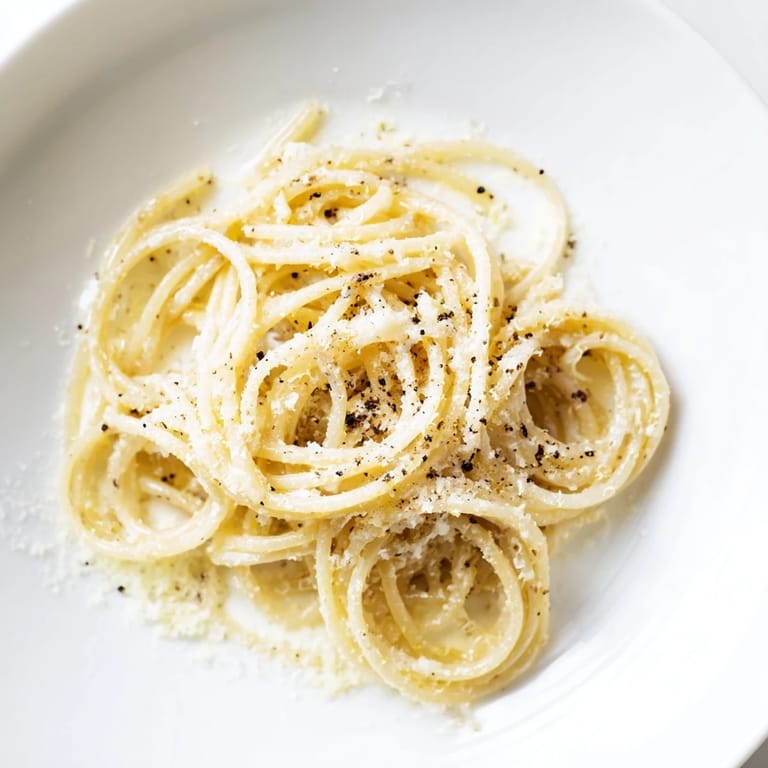
Save There's something almost magical about the nights when you open your fridge and realize you have butter, pasta, and cheese—basically nothing else—and somehow those three ingredients become dinner. I discovered this dish during a particularly chaotic week when my usual meal prep had fallen apart, and I needed something that wouldn't judge me for my lack of planning. The beauty of it hit me on that first bite: the way the starchy water transforms into something silky and luxurious, how the cheese melts into every strand. Now it's my go-to when I want something that tastes far more impressive than the effort it demands.
I made this for a friend who showed up unannounced on a Tuesday evening, apologizing for having nothing in the house to offer. Watching her face when I plated it—that moment of "wait, this came from just butter and cheese?"—became its own small joy. She asked for the recipe immediately, and I realized then that sometimes the simplest things, made with intention, are exactly what people need.
Ingredients
- Dried pasta (200 g): Use whatever shape you love—spaghetti, linguine, or fettuccine all work beautifully because the sauce clings to every surface.
- Unsalted butter (50 g): This is your sauce foundation, so use real butter, not a substitute; it makes all the difference in how silky everything becomes.
- Freshly grated Parmesan (60 g): Pre-grated cheese often has anti-caking agents that prevent the sauce from coming together smoothly, so take the extra minute to grate it fresh.
- Salt and freshly ground black pepper: These are your final seasoning adjustments, so taste as you go rather than measuring.
Tired of Takeout? 🥡
Get 10 meals you can make faster than delivery arrives. Seriously.
One email. No spam. Unsubscribe anytime.
Instructions
- Boil the pasta properly:
- Fill your pot with plenty of water and salt it generously—it should taste like the sea. Add the pasta and cook to al dente, which means it should still have a slight firmness when you bite it, never mushy.
- Save the magic liquid:
- Before draining, grab about 150 ml of that starchy cooking water; this is what transforms butter and cheese into something creamy instead of greasy.
- Create the base:
- Toss the hot, drained pasta with butter while it's still in the warm pot (off the heat), letting the residual warmth melt it into every strand.
- Build the sauce:
- Add the Parmesan and about 60 ml of pasta water, then toss vigorously and constantly—this friction, combined with the starch, creates the emulsion that makes the sauce cling.
- Adjust and finish:
- If it looks too thick, add more pasta water a splash at a time until you get that glossy, creamy consistency, then taste and adjust your salt and pepper.
 Save
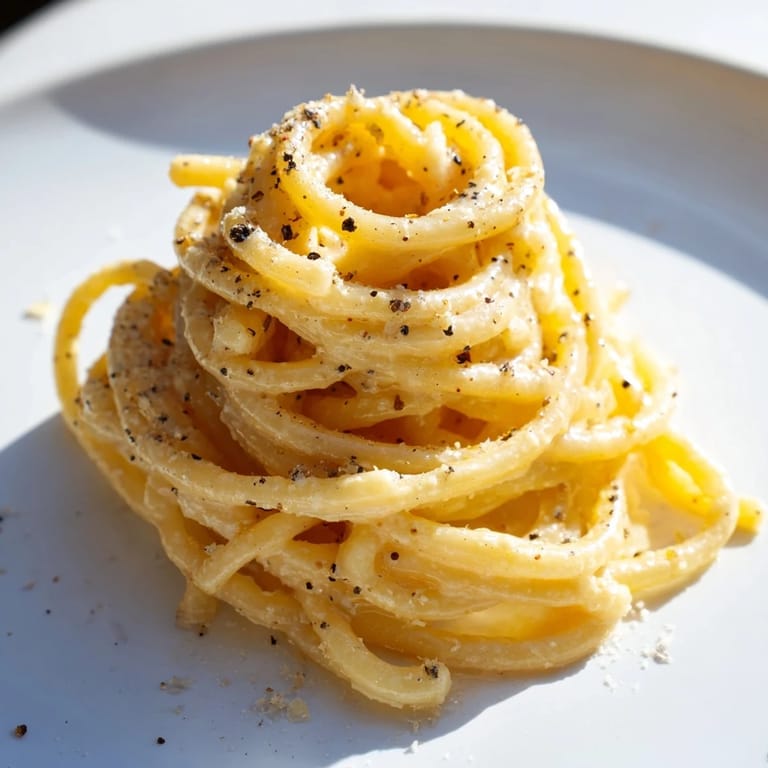
Save There's a moment in cooking this when you're tossing the pasta and the sauce suddenly comes together, transforming from separate ingredients into something cohesive and silky. That moment never gets old, no matter how many times I make it.
The Science of Simplicity
What makes this dish work is the starch in the pasta water—it acts as an emulsifier, holding the butter and cheese together in a smooth sauce rather than letting them separate. It's not magic, it's just chemistry, but it feels like magic when you're standing there watching it happen. This is the same principle behind proper French beurre blanc or classic Alfredo, except here we're doing it with what comes naturally from cooking pasta.
Customizing Your Dish
The three-ingredient foundation is perfect as-is, but it's also an invitation to experiment. A pinch of nutmeg adds a subtle warmth that makes people pause and ask what that flavor is, or fresh cracked pepper can be your statement, turning simple into bold. Some nights I add a small handful of fresh herbs—thyme, parsley, or even basil—tossed in at the very end so they stay vibrant and don't cook down into nothing.
Making It Your Own
Once you understand how this comes together, you can make it in your sleep, which is partly the point. It becomes your reliable friend, the meal you turn to when you need comfort without complexity. I've made versions with different pastas, experimented with Pecorino Romano for a sharper edge, and once I even added a small amount of fresh lemon zest on impulse—it was perfect.
- If you use gluten-free pasta, watch for slightly different cooking times, as they can vary by brand.
- Freshly grated cheese makes a noticeable difference compared to pre-grated, so it's worth the extra effort.
- Serve immediately in warm bowls, because this dish doesn't wait well—it's best enjoyed right at that moment when everything is hot and creamy.
 Save
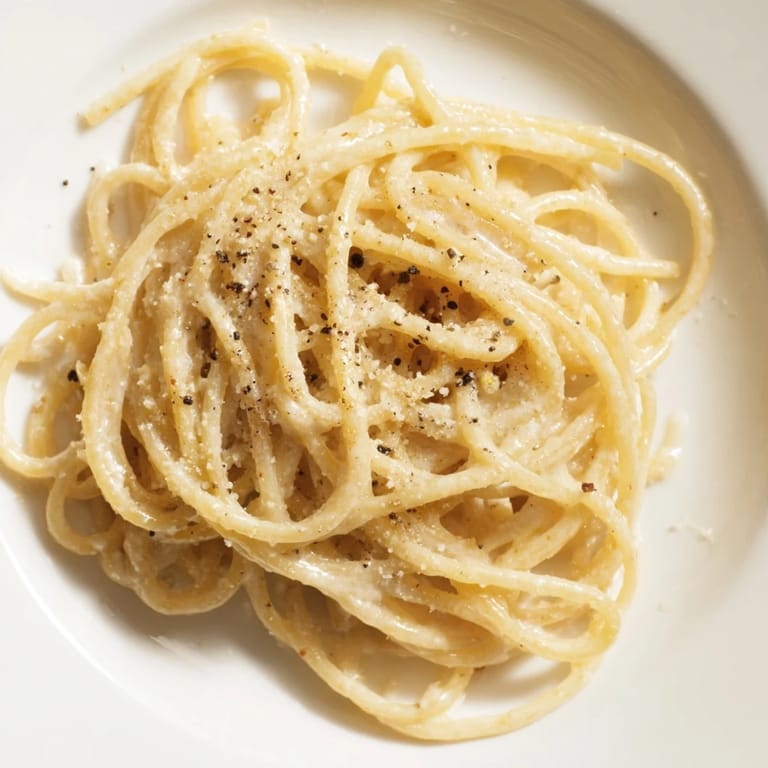
Save This recipe taught me that you don't need a long ingredient list to create something memorable. Sometimes the best meals are the ones that ask almost nothing of you except presence and a little attention.
Recipe Questions & Answers
- → How does pasta water help in making the sauce?
Pasta water contains starch released during cooking, which helps to emulsify the butter and cheese into a creamy sauce that clings to the pasta.
- → Can I use different types of pasta for this dish?
Yes, spaghetti, linguine, fettuccine or other dried pasta varieties work well for this creamy butter and Parmesan sauce.
- → Is there a way to make the sauce sharper in flavor?
Swapping Parmesan for Pecorino Romano cheese can add a sharper and saltier taste to the sauce.
- → How can I add extra flavor without altering the simplicity?
Adding a pinch of freshly grated nutmeg or a handful of chopped fresh herbs like parsley can enhance aroma and taste subtly.
- → What are some tips to prevent the sauce from becoming too thick or thin?
Adjust the amount of reserved pasta water when tossing the pasta—add more water to loosen the sauce or less for a thicker coating.
- → Can this dish accommodate dietary restrictions?
It is naturally vegetarian and can be adapted for gluten-free diets by substituting with gluten-free pasta varieties.