 Save
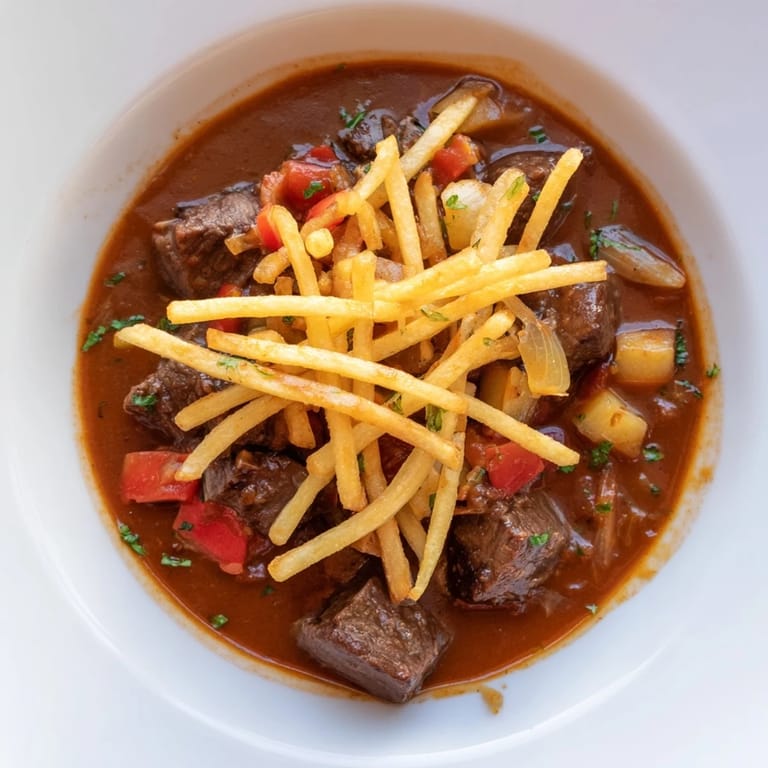
Save There's something about the smell of paprika hitting hot oil that stops you mid-conversation. I learned this standing in my neighbor's kitchen in Prague, watching her make goulash with the kind of casual confidence that only comes from making the same dish a hundred times. She didn't measure the paprika—just tilted the tin until it looked right—and somehow that felt like the most important lesson about cooking I'd ever received. This version, with its tender beef and crispy potato crowns, is what she taught me, and it's become the dish I make when I want to feel like I'm cooking with someone who actually knows what they're doing.
I made this for my sister's birthday dinner on a rainy November evening, and somehow the goulash disappeared before dessert even made it to the table. My nephew, who's usually suspicious of anything "ethnic," asked for seconds, which felt like winning the lottery. That's when I knew this recipe wasn't just good—it was the kind of food that quietly converts skeptics into believers.
Ingredients
- Beef chuck (800 g, cut into 2.5 cm cubes): Chuck is the forgiving cut—it's marbled with fat that melts into the sauce and becomes impossibly tender after a long braise.
- Sweet Hungarian paprika (2 tbsp): This is not a suggestion to use whatever paprika is on your shelf. Find Hungarian paprika, preferably imported; it has a warmth and complexity that matters.
- Onions (2 large, finely chopped): They should be nearly melted into the oil before the garlic goes in, creating the flavor foundation that holds everything else.
- Garlic (3 cloves, minced): Add it after the onions have softened—this stops it from burning and turning bitter.
- Caraway seeds (1 tsp): This is the secret whisper in the background, the thing that makes people ask what's in there but can't quite name.
- Marjoram (1 tsp): Similar to oregano but more delicate; it bridges the paprika and the beef without overpowering either.
- Beef broth (750 ml): Use real broth if you can—the kind that tastes like it came from actual bones and meat.
- Bell pepper (1, diced): Added near the end so it keeps some structure and doesn't dissolve into the sauce.
- Tomato paste (2 tbsp): A small amount adds depth without making the dish taste tomatoey.
- All-purpose flour (1 tbsp): Whisked in dry, it thickens the sauce naturally as everything simmers.
- Potatoes (4 large, for frying): Waxy potatoes are better than starchy ones—they won't fall apart when you cut them thin.
Tired of Takeout? 🥡
Get 10 meals you can make faster than delivery arrives. Seriously.
One email. No spam. Unsubscribe anytime.
Instructions
- Wake up the aromatics:
- Heat oil in a heavy pot and let onions turn golden and soft, which takes about 8 minutes. This isn't rushing—the slower they go, the sweeter they become.
- Toast the spices:
- Stir in garlic, caraway seeds, and paprika, then count to sixty while stirring constantly. You're looking for the moment when everything smells incredible but nothing has burned—that's the balance.
- Brown the beef:
- Work in batches if you need to; crowding the pan steams the meat instead of browning it. You want color, which means flavor.
- Build the sauce:
- Add tomato paste, marjoram, salt, pepper, and bay leaf, then dust the flour over everything and stir until the flour disappears into the oil. This creates the foundation for the thickening to come.
- Bring it together:
- Add the bell pepper and broth, then bring everything to a boil before dropping the heat to a gentle simmer. Cover and leave it alone for 1.5 to 2 hours, stirring occasionally, until the beef breaks apart at the touch of a spoon.
- Prepare the potatoes:
- While the goulash works its magic, cut potatoes into thin matchsticks using a mandoline (carefully) or a very sharp knife. Soak them in cold water, then dry them thoroughly—moisture is the enemy of crispiness.
- Fry with confidence:
- Heat oil to 180°C and fry the potatoes in batches until they're golden and brittle, about 3 to 4 minutes per batch. Drain on paper towels and salt immediately.
- Finish and serve:
- Fish out the bay leaf, taste the sauce, and adjust the salt or pepper if needed. Ladle the goulash into bowls and crown each one with a generous handful of crispy potatoes.
 Save
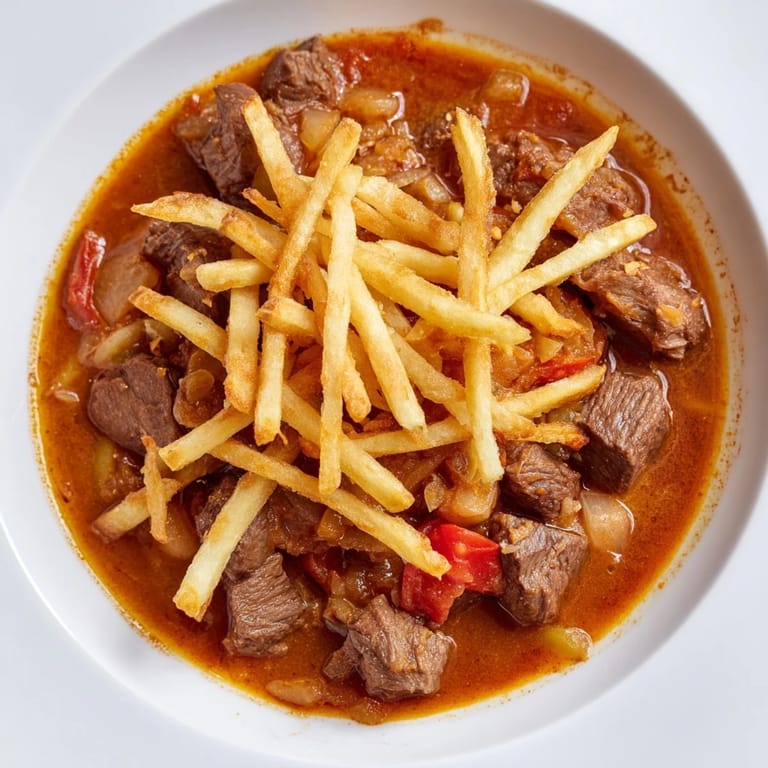
Save My father tried this goulash and didn't say much, which for him meant everything. The next morning, he asked if I'd make it again—not next week, but could I make it sooner. That's when I understood that food made with attention and care carries a kind of conversation that words can't quite reach.
The Paprika Matters More Than You Think
Most American paprikas are faded, sitting on shelves for months or years losing their color and soul. Hungarian paprika, especially if it says Szeged on the tin, tastes like the peppers were dried yesterday. It's the difference between cooking a dish and cooking a memory. If you can't find good paprika, this goulash will still be edible but it won't be the same—it'll taste like a recipe instead of a story. Spend the extra few dollars and mail-order it if you have to.
Why This Works Better Than Your Usual Stew
Most beef stews rely on wine and time to build flavor, but goulash builds it in layers while the heat is still on. The paprika and caraway go in early, so they bloom and deepen while everything else is cooking. By the time the beef is tender, the sauce has absorbed every bit of those spices, creating something richer and more complex than you'd expect from such simple ingredients. It's alchemy that happens in a pot.
Serving and Pairing Ideas
This is one of those dishes that doesn't need much help, but a dollop of sour cream stirred in at the last second adds a cool, tangy note that balances the earthiness perfectly. A squeeze of fresh parsley brings brightness, and if you want heat, a pinch of hot paprika or chili flakes will give it an edge without overwhelming the other flavors.
- A Czech Pilsner or light red wine turns dinner into an event without feeling fancy.
- Make extra potato strips—they disappear faster than you'd ever predict.
- Leftovers reheat beautifully; just fry fresh potatoes and the dish tastes as good as it did the first night.
 Save
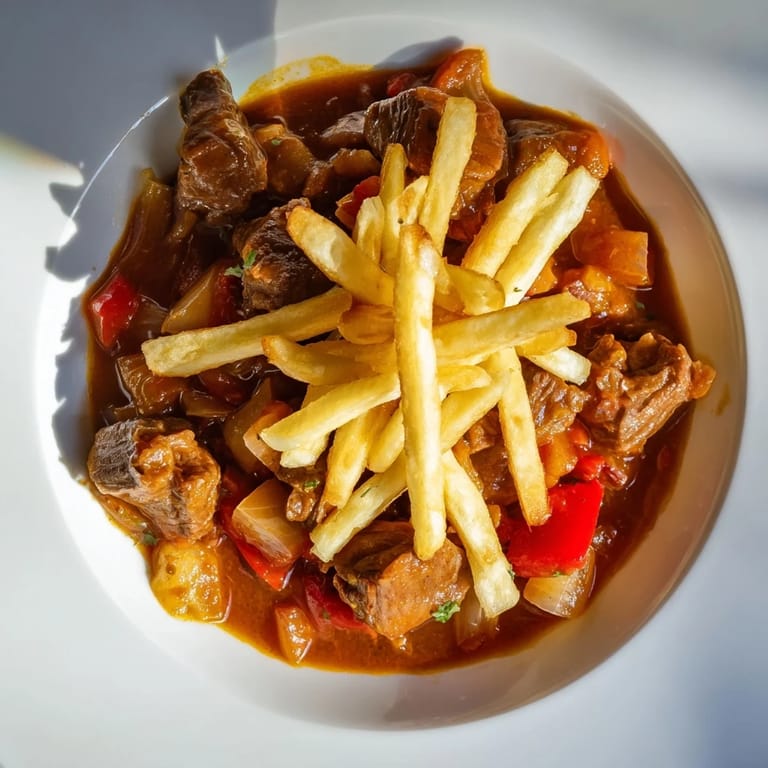
Save This goulash taught me that the best meals are the ones that taste like they took all day, even though they mostly just simmer while you do other things. That's when cooking feels less like a chore and more like a small magic trick you're pulling off for the people you care about.
Recipe Questions & Answers
- → What cut of beef is best for the goulash?
Beef chuck cut into cubes is ideal due to its marbling, which becomes tender and flavorful during slow cooking.
- → How do I achieve a rich paprika flavor without burning it?
Cook the paprika briefly in hot oil with onions and garlic while stirring constantly to avoid bitterness and unlock its aroma.
- → What is the purpose of adding caraway seeds and marjoram?
These spices bring traditional Czech notes—caraway adds warmth and depth, while marjoram contributes a subtle herbaceous touch.
- → How to get potatoes crispy when frying?
Slice potatoes thinly, rinse to remove starch, dry thoroughly, and fry in hot oil at around 180°C until golden and crisp.
- → Can this dish be made gluten-free?
Yes, by using gluten-free flour in the sauce thickening step, the dish remains safe for gluten-sensitive diets.
- → What accompaniments work best with this dish?
A dollop of sour cream and fresh parsley brighten the flavors, alongside Czech Pilsner or light red wine enhances the experience.