 Save
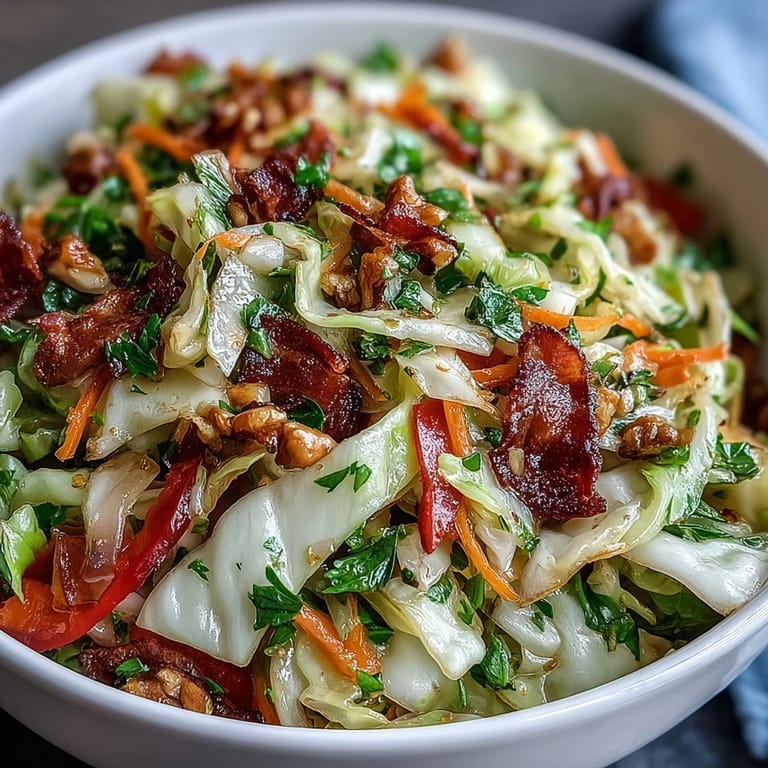
Save There's something unexpectedly magical about cooking cabbage until it softens just enough to taste almost sweet, then tossing it with bright vegetables and a mustard-forward dressing that makes you reach for thirds. I discovered this salad by accident one autumn afternoon when I had half a cabbage sitting in my crisper drawer and decided to stop treating it like a cold-slaw ingredient and actually cook it down. The kitchen filled with this gentle, caramelized aroma that made my partner curious enough to ask what I was making before it was even finished. That first warm bite, still steaming slightly, felt less like eating vegetables and more like uncovering a secret the whole time.
I made this for a potluck where everyone was bringing the expected salads, and someone actually asked for the recipe before they'd even finished their plate. It was the first time I realized that warm vegetable salads could be just as exciting as the hot mains people flock toward, and that confidence has stayed with me every time I make it since.
Ingredients
- Green cabbage (1 medium, about 900 g): Slice it as thinly as you can manage, since thinner pieces cook more evenly and absorb the dressing beautifully without turning to mush.
- Carrot (1 large, julienned): The julienne cut adds delicate sweetness and visual interest, though you can shred it if that's what you have time for.
- Red onion (1 small, thinly sliced): Raw onion brings sharpness that balances the warm, soft cabbage, so don't skip it even if raw onion usually feels intense to you.
- Red bell pepper (1, thinly sliced): This adds color, crunch, and a subtle sweetness that rounds out the whole composition.
- Fresh parsley (2 tbsp, chopped): Chop it just before tossing so it stays bright and herbaceous rather than dark and tired.
- Extra-virgin olive oil (3 tbsp total): Use 1 tablespoon for cooking the cabbage and save the remaining 2 for the dressing, where the oil's fruitiness actually matters.
- Apple cider vinegar (2 tbsp): This is the dressing's backbone, so use something you'd actually drink if it came down to it—quality vinegar makes the whole dish sing.
- Dijon mustard (1 tbsp): It acts as an emulsifier and adds complexity that plain vinegar and oil never could.
- Honey or maple syrup (1 tsp): This isn't about sweetness; it's about balance, so resist the urge to add more.
- Sea salt and freshly ground black pepper (1/2 tsp and 1/4 tsp): Season gradually as you go, tasting as you build flavor.
- Toasted walnuts or sunflower seeds (1/4 cup, optional): Toast them yourself for 3 minutes in a dry skillet if you have time, and you'll taste the difference.
- Feta cheese (30 g, crumbled, optional): Its tanginess plays beautifully against the warm vegetables, but it's easily omitted for dairy-free versions.
Tired of Takeout? 🥡
Get 10 meals you can make faster than delivery arrives. Seriously.
One email. No spam. Unsubscribe anytime.
Instructions
- Heat your skillet and start with the cabbage:
- Pour 1 tablespoon of olive oil into a large skillet over medium-high heat, and once it's shimmering, add the sliced cabbage. You'll hear it hit the hot pan with a gentle sizzle, and that's your cue to start stirring frequently for the next 4–5 minutes.
- Cook until tender but still vibrant:
- Watch as the cabbage transforms from crisp and slightly pale to softer and deeper in color. You want it to yield when you press it with your spoon, but not so soft that it falls apart or loses its character.
- Transfer to your mixing bowl:
- Scrape the cabbage into a large bowl while it's still warm, using a spatula to catch any browned bits stuck to the pan.
- Add the raw vegetables:
- Toss in the julienned carrot, sliced red onion, bell pepper, and fresh parsley while the cabbage is still warm. The warmth will slightly soften the raw vegetables without cooking them, creating a pleasant textural mix.
- Whisk your dressing:
- In a separate small bowl, combine the remaining 2 tablespoons of olive oil, apple cider vinegar, Dijon mustard, honey, salt, and pepper. Whisk until you see the mixture become creamy and emulsified, which takes about 30 seconds of steady whisking.
- Dress and toss thoroughly:
- Pour the dressing over the vegetables and toss with your hands or two spoons until every piece is coated and glistening. This is the moment where it all comes together, so don't rush it.
- Let it rest and marry the flavors:
- Give it 5 minutes to sit undisturbed so the warm vegetables continue to soften slightly and absorb the dressing's flavors.
- Finish and serve:
- Top with toasted walnuts or sunflower seeds and feta cheese if using, then serve while it's still warm or at room temperature depending on your preference and the season.
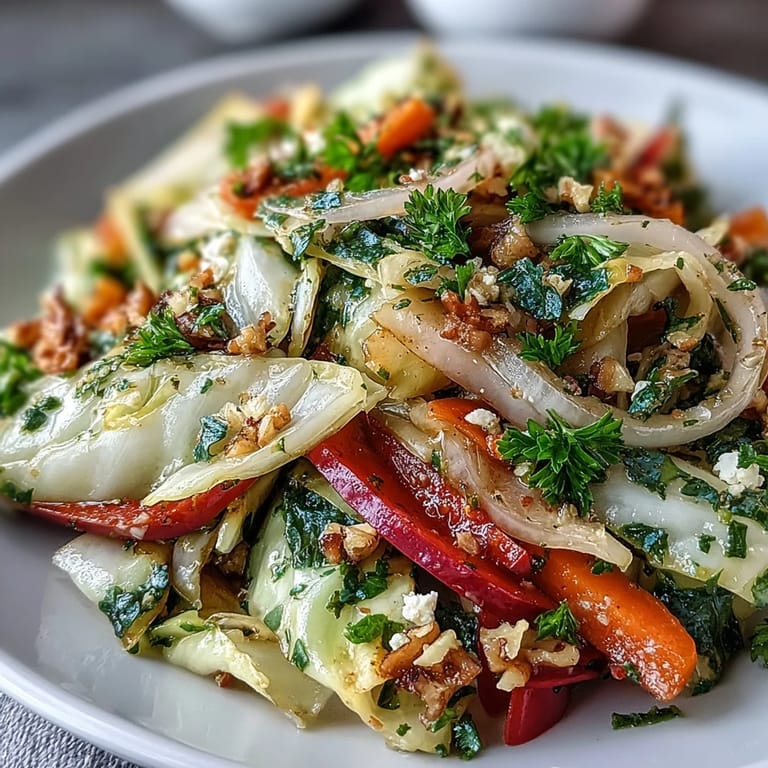 Save
Save There was an evening when I served this to someone who claimed to hate cooked cabbage, and watching them realize they'd just cleaned their bowl was its own small victory. That's when I understood that this salad isn't just food—it's a gentle persuasion that vegetables can surprise you.
Why This Works as a Complete Side
The warmth makes it feel substantial enough to stand beside grilled proteins without apology, while the dressing's tanginess cuts through richness and cleanses the palate between bites. It's also forgiving enough to travel well to potlucks or picnics, where it actually tastes better at room temperature after the flavors have melded quietly on the car ride over. You could serve it alongside roasted salmon, grilled chicken, or even as the main course with some crusty bread and good cheese if you're eating vegetarian.
The Art of Making It Your Own
This recipe is a foundation rather than a mandate, so feel free to play with it based on what's in your crisper or what you're craving. I've added shredded apple for sweetness, thinly sliced radishes for extra crunch, and even a handful of thinly sliced kale when I wanted something more robust. The key is respecting the core technique—the sautéed cabbage as the warm, tender base—and building from there.
Storage and Make-Ahead Wisdom
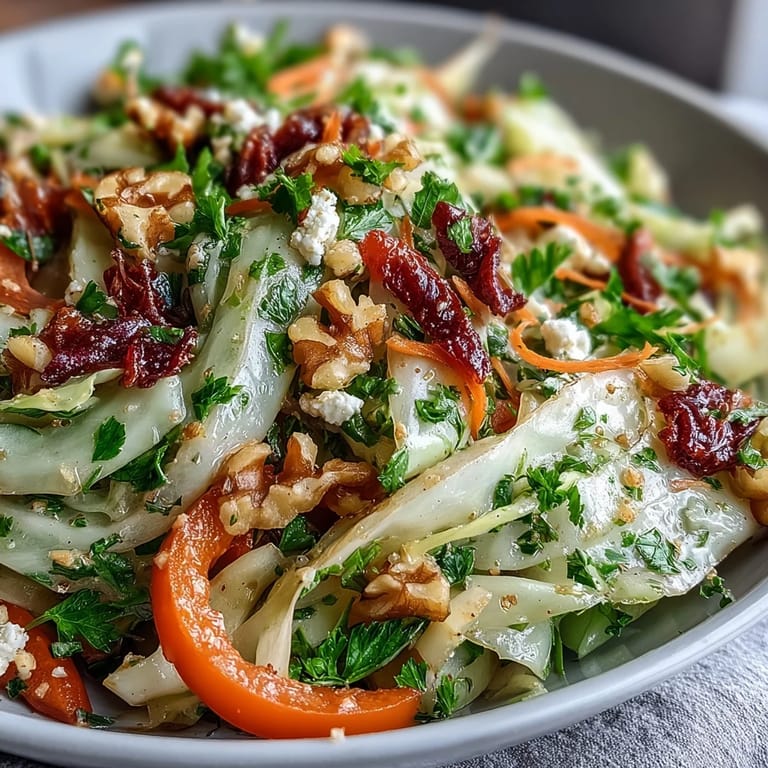
This salad keeps for up to 2 days in an airtight container in the refrigerator, though the raw vegetables will gradually soften and release moisture, which means the texture evolves rather than stays the same. I actually prefer leftovers at room temperature the next day, because the flavors have had time to settle into a more cohesive whole, and the salad tastes less like separate ingredients and more like a unified dish. If you're planning ahead, you can sauté the cabbage a few hours in advance and assemble everything just before serving.
- Store dressing separately if you're keeping leftovers longer than a day, so the vegetables don't get soggy.
- Let refrigerated salad come to room temperature for 15 minutes before serving to restore its best flavor and texture.
- Make extra dressing and keep it on hand, because it's equally good on other warm vegetables or as a dip for raw ones.
 Save
Save This warm cabbage salad taught me that the humble vegetables we overlook often just need a moment of attention and the right technique to become something people actually request. It's become one of those recipes I return to whenever I want to cook something nourishing without theater, knowing it'll land well whether I'm feeding myself or a table full of people.
Recipe Questions & Answers
- → Can I serve this cabbage dish cold?
Yes, while best served warm or at room temperature, you can refrigerate leftovers for up to 2 days. Bring to room temperature before serving for optimal flavor and texture.
- → What vegetables work well as substitutions?
Try adding thinly sliced radishes, shredded apple for sweetness, or swap red cabbage for half the green to create beautiful color contrast. The base method remains versatile.
- → How do I make this vegan?
Simply use maple syrup instead of honey and omit the feta cheese. The walnuts or sunflower seeds still provide excellent texture and protein.
- → Can I prepare this ahead?
The vegetables can be sliced in advance and stored separately. Dress just before serving to maintain crispness. The sautéed cabbage also reheats beautifully.
- → What proteins pair nicely?
Grilled chicken, roasted salmon, or pan-seared tofu complement the tangy flavors beautifully. The dish also stands alone as a satisfying vegetarian main.