 Save
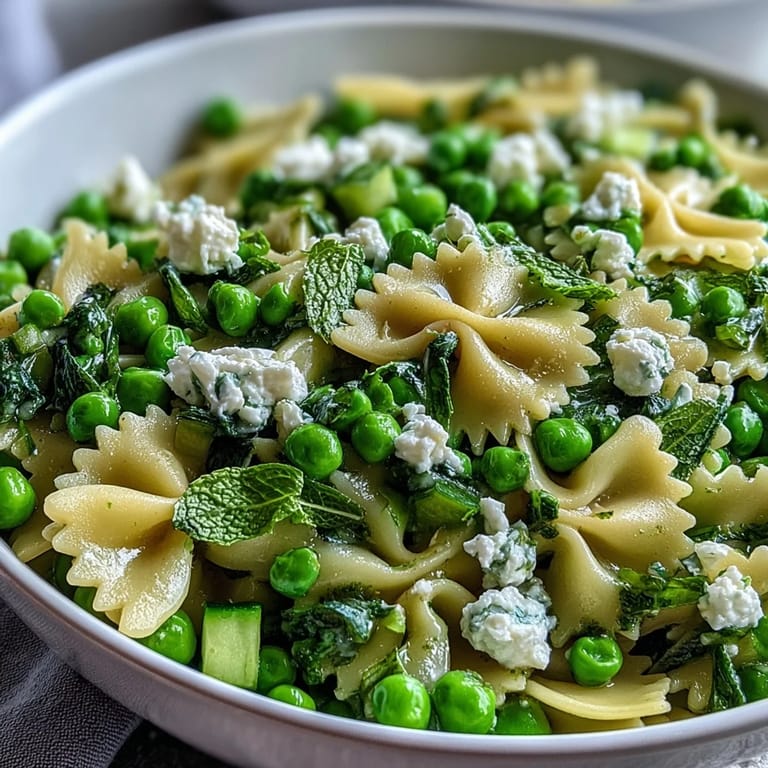
Save Last summer, my neighbor stopped by with a basket of just-picked peas from her garden, and I suddenly had to figure out what to do with them before they lost their sweetness. I tossed them into a pot of pasta that was already cooking, then threw together whatever fresh herbs were on my windowsill—mint, parsley, a squeeze of lemon. The result was so bright and alive that I've made it dozens of times since, even when the peas come from a frozen bag. It's become my go-to dish when I want something that feels special without any real fuss.
I served this at a potluck last May, and someone asked for the recipe before they'd even finished their first bite. That's when I realized it wasn't just the taste—it was the color. That electric green from the peas and mint against the pale pasta seemed to cheer everyone up, especially people who'd been stuck inside all winter. Food can do that sometimes.
Ingredients
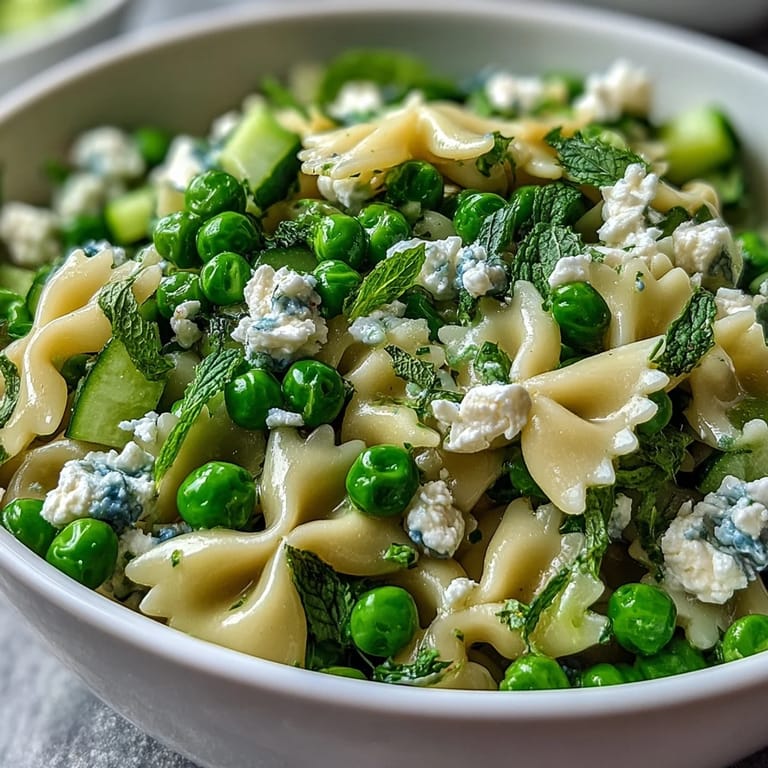
- Small pasta (250 g): Shapes like farfalle or orecchiette work better than long pasta because they cradle the peas and herbs instead of letting them slip away.
- Fresh or frozen peas (1 cup): Frozen peas are honestly just as good as fresh here—sometimes better because they're picked at peak ripeness and stop cooking instantly in cold water.
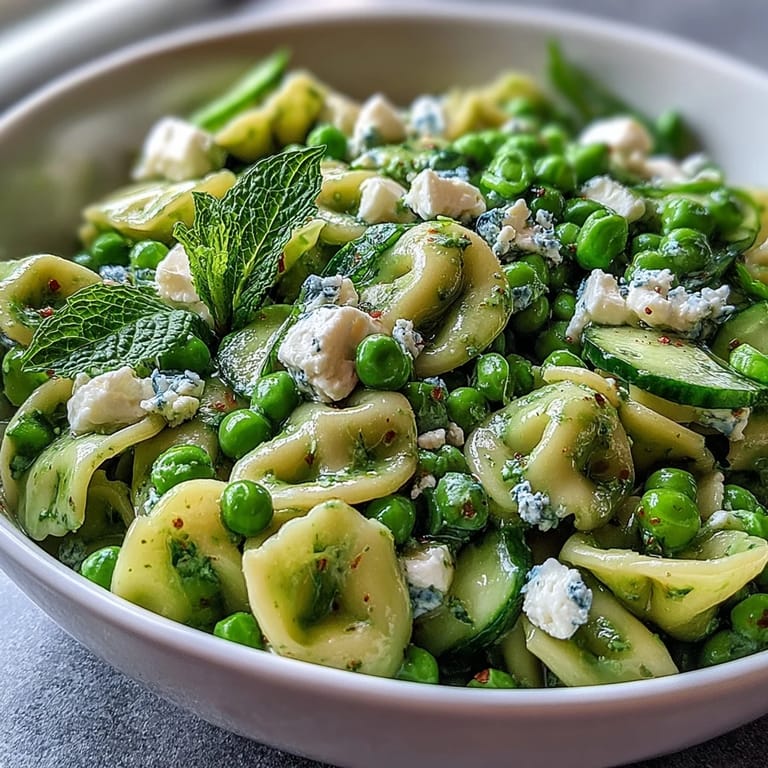
- Cucumber (1 small, diced): This adds crunch and keeps the salad from feeling heavy, but cut it just before serving or it'll weep into the dressing.
- Spring onions (3, thinly sliced): The mild onion flavor ties everything together, and don't skip the green tops—they add color and a gentle bite.
- Fresh mint leaves (1/3 cup, chopped): Mint is what makes this sing; it's not optional and it's worth hunting down good quality because the flavor really matters here.
- Fresh flat-leaf parsley (1/4 cup, chopped): It mellows the mint slightly and adds an earthy note that keeps the salad from tasting one-dimensional.
- Feta cheese (50 g, optional): The tang cuts through the brightness of the lemon and gives you little pockets of creaminess, but skip it if dairy isn't your thing.
- Lemon zest and juice: Use a real lemon—bottled juice makes the whole thing taste thin and watery, and you need the zest for actual flavor depth.
- Extra-virgin olive oil (3 tbsp): This isn't the place to skimp; good olive oil makes the dressing taste luxurious and rounds out the sharpness of the lemon.
- Dijon mustard (1 tsp): It acts as an emulsifier so the vinaigrette doesn't separate, and adds a subtle sophistication.
- Honey or maple syrup (1 tsp): Just enough to take the harsh edge off the lemon juice without making it taste sweet.
- Garlic clove (1 small, minced): Raw garlic in a cold dressing is intense, so use just one small clove and mince it fine so it dissolves into the vinaigrette.
- Salt and black pepper: Always taste at the end and adjust; the lemon can make you think there's more salt than there actually is.
Tired of Takeout? 🥡
Get 10 meals you can make faster than delivery arrives. Seriously.
One email. No spam. Unsubscribe anytime.
Instructions
- Get your water boiling and cook the pasta:
- Bring a large pot of salted water to a rolling boil—the water should taste like the sea. Add the pasta and cook it until it's nearly al dente, then with about two minutes left, toss in the peas so they warm through gently without turning mushy.
- Cool everything down fast:
- Drain the pasta and peas through a colander, then run cold water over them while tossing gently with your hands. This stops the cooking immediately and keeps everything from turning to mush when you mix it later.
- Combine the vegetables and herbs:
- In a large bowl, mix the cooled pasta and peas with the diced cucumber, sliced spring onions, chopped mint, and parsley. Toss gently so nothing gets bruised.
- Make the vinaigrette:
- In a small bowl or jar, whisk together the lemon zest, fresh lemon juice, olive oil, Dijon mustard, honey, and minced garlic until it looks emulsified and creamy. Season with salt and pepper, tasting as you go.
- Dress the salad:
- Pour the vinaigrette over the pasta mixture and toss gently but thoroughly so every piece gets coated. If you're using feta, sprinkle it over now and toss one more time very lightly.
- Taste and chill:
- Taste the whole thing and adjust the seasoning—it might need a pinch more salt, a squeeze more lemon, or a whisper more olive oil. Pop it in the fridge for at least 15 to 30 minutes so the flavors have time to get friendly with each other.
 Save
Save My sister brought her new partner to a backyard dinner, and this was the salad I made because I wanted something that looked impressive without making me stressed. He went back for seconds and thirds, and now whenever they visit, my sister texts ahead asking if I'm making the pea pasta. It's funny how a dish can become a small part of people's memories of you.
Why This Works as a Complete Meal
On its own, this is light enough for a summer lunch, but if you want it to feel more substantial, it takes about three minutes to stir in some grilled chicken, white beans, or roasted chickpeas. I've also added diced avocado, toasted pine nuts, and even thin slices of smoked salmon when I'm feeling fancy. The bright vinaigrette is assertive enough to stand up to whatever protein you throw at it, so it won't taste watered down or one-note.
Making It Your Own
This salad is forgiving in the best way—if you don't have mint, use basil; if cucumbers aren't in season, use diced bell pepper or thinly shaved radishes instead. I've made versions with snap peas, edamame, or even blanched green beans when peas weren't available. The core idea is fresh vegetables, bright herbs, and a zingy lemon dressing, so trust yourself to riff on it.
Storage and Make-Ahead Tips
This salad will keep in the fridge for up to two days, though the herbs will start to darken slightly after the first day—the flavor doesn't change, just the look. I like to store the vinaigrette separately and dress everything the day I want to eat it, which keeps the pasta from getting soggy and the herbs from browning. If you're packing it for a picnic, bring the dressing in a jar and dress it right before serving so it's at its crispest.
- Make the vinaigrette up to three days ahead and store it in a sealed jar—shake it well before using because the oil and lemon juice will separate.
- Cook the pasta and peas the morning of the day you want to eat it, cool them completely, and store them in an airtight container.
- Chop the herbs and vegetables no more than a few hours ahead so they don't lose their brightness and color.
 Save
Save This pasta salad has become my answer to almost every potluck, picnic, and casual dinner I'm invited to, and I never get tired of making it. There's something genuinely nourishing about food that tastes this clean and tastes like you didn't have to stress to make it.
Recipe Questions & Answers
- → Can I use frozen peas instead of fresh peas?
Yes, frozen peas work well and can be added during the last minutes of pasta cooking for a tender bite.
- → What types of pasta are best for this dish?
Small shapes like farfalle, orecchiette, or penne hold the vinaigrette and mix well with vegetables.
- → How can I make this dish vegan?
Simply omit the feta or substitute it with a plant-based cheese alternative.
- → Is it better served chilled or at room temperature?
Chilling for 15–30 minutes helps flavors meld, but it can also be enjoyed at room temperature.
- → Can I add protein to this pasta combination?
Adding grilled chicken or chickpeas enhances protein content and complements the fresh ingredients.