 Save
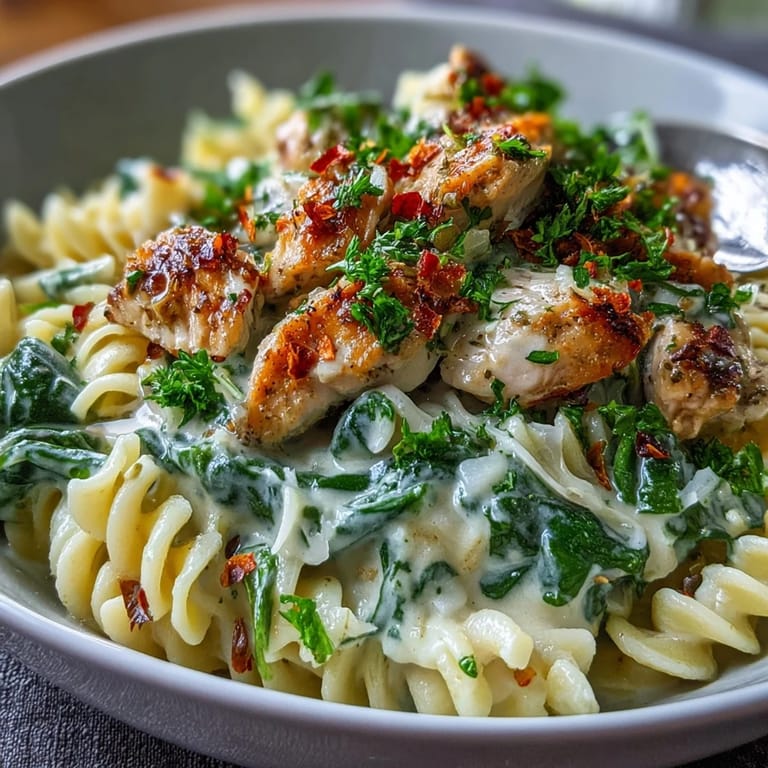
Save There's something about the sound of chicken hitting hot oil that signals the start of something good, and this one-pot lemon orzo came together on an evening when I had about thirty minutes and a craving for something bright. I'd been staring at a bag of orzo in my pantry, thinking it deserved better than a side dish fate, and spinach was practically wilting on me. The lemon was the last piece—sharp and perfect for cutting through the creaminess that develops naturally when orzo cooks in broth. One pot, minimal cleanup, and dinner that tastes like someone actually tried.
I made this for a friend who'd just mentioned she was tired of chicken and rice, and watching her reaction when she tasted that first spoonful was worth the effort. The brightness caught her off guard in the best way—she actually closed her eyes. That moment made me realize this isn't just dinner, it's the kind of meal that reminds people food doesn't need to be complicated to feel special.
Ingredients
- Chicken breasts or thighs: Thighs stay more forgiving if you're not timing things perfectly, but breasts work fine if that's what's in your fridge—just don't walk away while they're cooking.
- Orzo pasta: This small rice-shaped pasta soaks up broth like a dream and creates creaminess as it breaks down slightly, which is exactly what we want.
- Fresh baby spinach: Add it at the very end so it wilts but keeps its color and nutrients—tough spinach tastes like you forgot about it halfway through cooking.
- Yellow onion and garlic: The foundation that makes everything taste intentional, even if you're cooking on autopilot.
- Lemon zest and juice: Don't skip the zest—it's where the real lemon flavor lives, and the juice alone gets flat without it.
- Chicken broth: Low-sodium is crucial because you'll taste every bit of salt once the liquid reduces, and there's always room to add more.
- Olive oil: Two tablespoons is enough to build flavor without making the dish feel greasy.
- Parmesan cheese: Optional but it adds a savory depth—if you're dairy-free, skip it and let the lemon carry the brightness instead.
- Oregano, salt, pepper, and red pepper flakes: Oregano connects this to Mediterranean flavors, and red pepper flakes are there if you want heat, not obligation.
Tired of Takeout? 🥡
Get 10 meals you can make faster than delivery arrives. Seriously.
One email. No spam. Unsubscribe anytime.
Instructions
- Get your chicken golden:
- Heat olive oil until it shimmers, then add chicken seasoned with salt and pepper. Let it sit undisturbed for a minute so it can develop color instead of steaming itself. You're looking for golden edges and cooked-through centers, which takes about five to six minutes.
- Build the flavor base:
- In the same pot, soften the onion for a couple minutes until it's translucent, then add garlic and cook just long enough to smell it—thirty seconds is perfect, any longer and garlic turns bitter.
- Toast the orzo:
- Stir the uncooked orzo with the aromatics and oil for about a minute. This step sounds small but it matters—the pasta gets slightly toasted and tastes more interesting than if you'd just dumped it in wet.
- Simmer everything together:
- Pour in broth, bring it to a gentle boil, then lower the heat and let it simmer with occasional stirring for ten to twelve minutes. You want the orzo tender and the liquid mostly absorbed, not a soup and not dried out.
- Finish with brightness:
- Return the chicken to the pot, add spinach and lemon zest and juice, and stir until the spinach wilts and everything is combined. Taste it now and adjust seasoning—this is when you discover if it needs more lemon, salt, or both.
- Optional richness:
- Stir in Parmesan if you want a slightly creamier finish, or leave it plain if that's your preference.
 Save
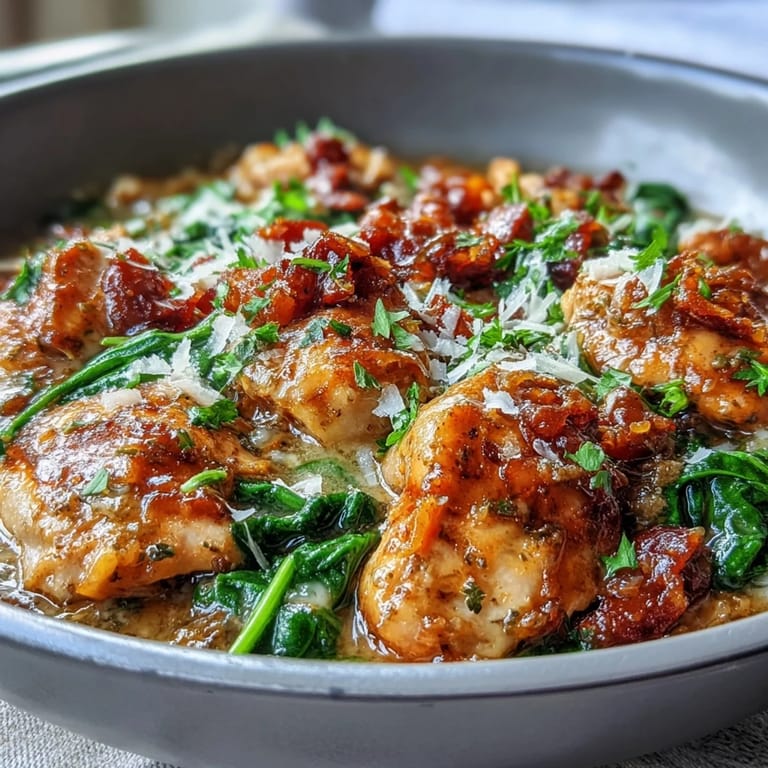
Save This dish became a regular in my rotation because it proved that eating well doesn't require a shopping list as long as your arm or hours in the kitchen. It's the kind of meal you can make on a Tuesday when you're tired but still want something that feels intentional.
Why This Works as a One-Pot Meal
The magic is in the timing—chicken cooks fast enough that it's done before the orzo needs the pot, and by the time you're stirring in the spinach, everything is ready to come together without overlap or awkward waiting. No cooling chicken on the side, no separate pasta water to manage, just one pot that goes straight from stovetop to table. It's the kind of simplicity that actually makes you want to cook on busy nights instead of ordering takeout.
Playing with Variations
The beauty of this recipe is that it's genuinely flexible without becoming unrecognizable. Swap the spinach for arugula if you want peppery notes instead of mild green, or use baby kale for something heartier that won't wilt into invisible strands. Sun-dried tomatoes add a concentrated sweetness that plays nicely with lemon, and artichoke hearts bring an earthy complexity that makes the dish feel more substantial.
Serving and Storage
This dish is best eaten the same day while the orzo still has some structure, though leftovers reheat fine with a splash of broth stirred in to refresh the sauce. Pair it with a crisp white wine—Sauvignon Blanc or Pinot Grigio both cut through the richness and echo the lemon. Serve it in shallow bowls so you get the creamy broth in every spoonful, and don't be shy about garnishing with extra lemon zest or a small handful of fresh herbs if you have them.
- Store leftovers in an airtight container for up to three days in the refrigerator.
- Reheat gently with a little extra broth so the orzo doesn't dry out completely.
- This meal tastes best served warm, never cold from the fridge.
 Save
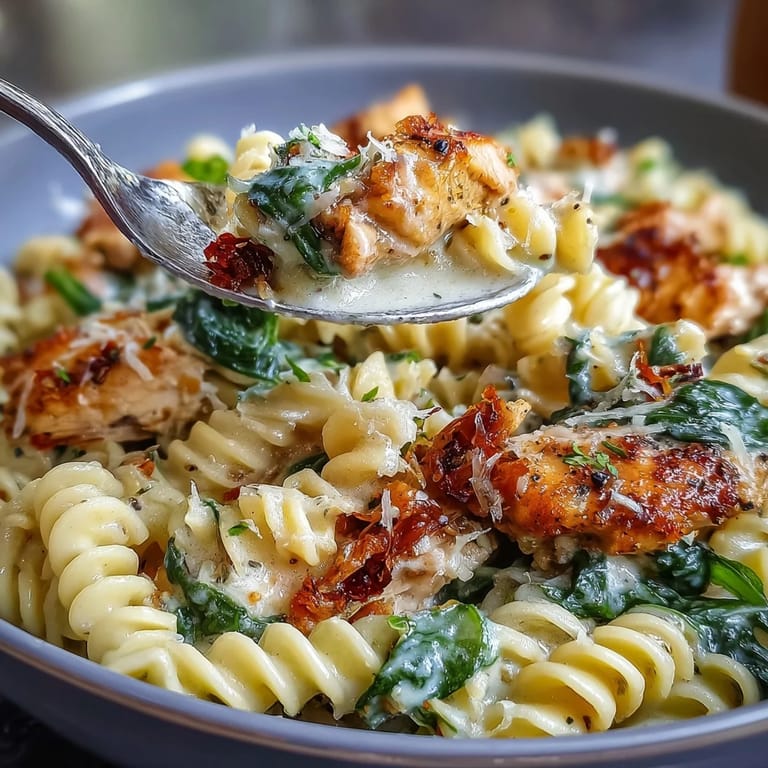
Save This recipe quietly became one of those dishes I make when I want to prove to myself that cooking doesn't have to be complicated to be delicious. It's the kind of meal that belongs in your regular rotation.
Recipe Questions & Answers
- → Can I substitute chicken breasts with thighs?
Yes, boneless, skinless chicken thighs can be used for a juicier texture without altering the cooking time significantly.
- → Is it possible to make this dish dairy-free?
Omit the Parmesan cheese or replace it with a plant-based alternative to keep the dish dairy-free without compromising flavor.
- → What can I use instead of baby spinach?
Baby kale or arugula are great leafy green alternatives that wilt nicely and complement the flavors.
- → How do I ensure the orzo doesn't stick while cooking?
Stir the orzo occasionally during simmering and use enough broth to allow tender cooking without sticking to the pot.
- → Can I add extra vegetables for variety?
Absolutely, sun-dried tomatoes or artichoke hearts add depth and brightness, enhancing both flavor and texture.