 Save
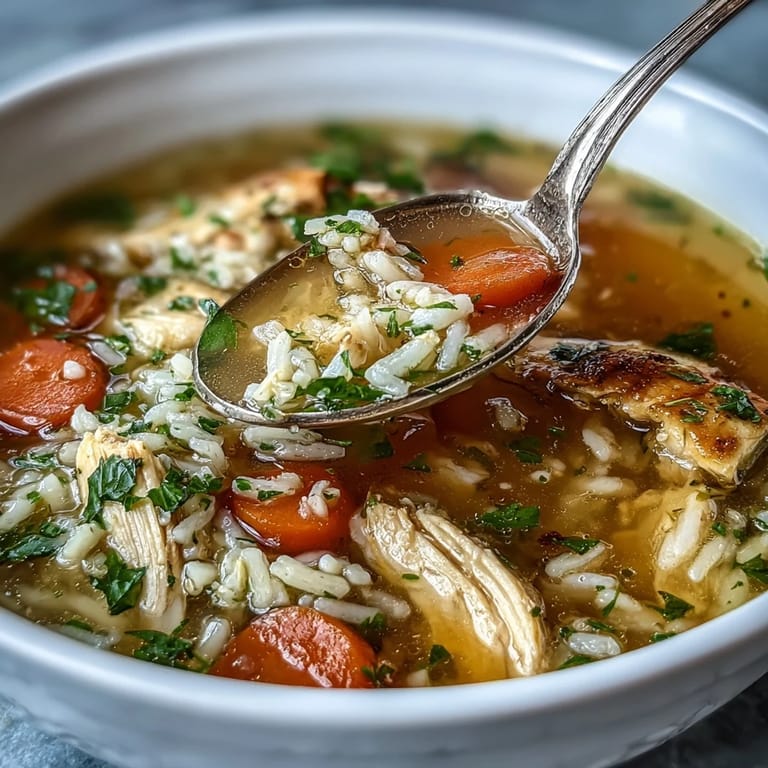
Save There's something about the sound of vegetables hitting hot oil that signals the start of something good, and this soup taught me that lesson on a Tuesday when I needed comfort more than complexity. My kitchen was cold, my mood was colder, and I had chicken breasts, rice, and broth staring at me from the pantry. What emerged from that single pot felt like more than just dinner—it felt like someone wrapping a warm blanket around my shoulders. Now whenever life gets hectic, this is the first thing I reach for because it asks nothing difficult of me, yet delivers everything I need.
I made this for my sister right after she moved into her first apartment with nothing but a hot plate and big dreams, and watching her eyes light up when she realized she could make something this nourishing with one pot and minimal fuss changed how I thought about cooking for others. It became her safety net—the meal she'd turn to on nights when unpacking felt endless and takeout wasn't in the budget. Years later she still texts me photos of her version, and I think that's when I knew this soup transcended being just a recipe.
Ingredients
- Boneless, skinless chicken breasts (2, about 400 g): Cut them into bite-sized pieces so they cook evenly and distribute throughout the soup instead of leaving you with massive chunks.
- Yellow onion (1 medium): This is your flavor foundation—dicing it fine helps it break down and sweeten as it sautés, building the whole soup's backbone.
- Carrots (2): The natural sweetness they release balances everything else, and slicing them thin ensures they soften by the time the rice finishes cooking.
- Celery stalks (2): It's easy to skip this, but don't—it adds a subtle depth that makes people ask what your secret ingredient is.
- Garlic (3 cloves): Mince it finely and add it after the vegetables soften so it releases its aroma without turning bitter.
- Baby spinach or kale (1 cup, optional): I prefer spinach because it wilts quickly and doesn't overpower, but kale works beautifully if you want something heartier and more toothsome.
- Fresh parsley (1 tablespoon): This isn't decoration—it brightens everything at the end and reminds you that fresh herbs matter even in simple soups.
- Long-grain white rice (2/3 cup): Rinsing it removes excess starch so the broth stays clear and the grains stay separate instead of turning mushy or gluey.
- Low-sodium chicken broth (8 cups): Using low-sodium gives you control over the final salt level and prevents the soup from tasting one-dimensional.
- Dried thyme (1 teaspoon): It plays quietly in the background but its earthiness is essential to making this taste like comfort.
- Dried oregano (1 teaspoon): A pinch of Mediterranean warmth that pairs perfectly with the chicken and vegetables without announcing itself loudly.
- Bay leaf (1): Don't forget to fish it out before serving—I learned that the hard way and spent an awkward moment apologizing to a dinner guest.
- Black pepper (1/2 teaspoon): Fresh cracked is ideal, but pre-ground works fine as long as it's not sitting in your cabinet for three years.
- Salt (3/4 teaspoon): Start with this amount and adjust at the end once you taste it, because broth saltiness varies by brand.
- Lemon juice (from 1/2 lemon, optional): This is your brightness insurance—a squeeze at the very end lifts all the flavors and keeps the soup from tasting one-note.
- Olive oil (1 tablespoon): Just enough to coat the bottom of the pot and get things sizzling without making the soup feel greasy.
Tired of Takeout? 🥡
Get 10 meals you can make faster than delivery arrives. Seriously.
One email. No spam. Unsubscribe anytime.
Instructions
- Get your pan hot and build your base:
- Pour the olive oil into a large pot over medium heat and let it shimmer for about 30 seconds, then add the diced onion, carrots, and celery all at once. You want to hear them sizzle and smell that sweet vegetable aroma as they soften for 4 to 5 minutes, stirring occasionally so nothing sticks or browns too fast.
- Wake up the garlic:
- Once the vegetables are turning translucent and tender, add your minced garlic and let it cook for just 1 minute—that's all you need for it to become fragrant and release its magic into the oil. If you cook it longer than that it turns bitter, so watch the clock and trust your nose.
- Introduce the chicken:
- Add those bite-sized chicken pieces directly to the pot and give them 2 to 3 minutes of cooking time, stirring gently so they get a light golden color on the edges. They won't be fully cooked yet and that's exactly right—the simmering broth will finish the job while infusing them with flavor.
- Build your soup:
- Sprinkle in the rice, thyme, oregano, bay leaf, salt, and pepper, then pour in all 8 cups of chicken broth and stir everything together. Bring the whole pot to a boil over medium-high heat—you'll see it transform from still to actively bubbling in about 5 minutes.
- Let it simmer gently:
- Lower the heat so the soup bubbles gently rather than aggressively, cover it with a lid, and let it cook for 20 minutes while you stir it occasionally. The rice will absorb the broth, the chicken will turn opaque and tender, and the whole kitchen will smell like someone who knows what they're doing.
- Add the greens:
- After 20 minutes, stir in your chopped spinach or kale and let it wilt for 2 to 3 minutes—it will go from vibrant green to soft and incorporated into the soup. If you're using kale it might take an extra minute or two, but that's fine.
- Season and finish:
- Taste the soup and adjust the salt and pepper if it needs it, then add the lemon juice and fresh parsley and give everything one final stir. Fish out the bay leaf carefully, ladle it into bowls, and let people add more parsley on top if they want.
 Save
Save My neighbor tasted this soup on a snowy evening and started crying—not because something was wrong, but because it reminded her of her grandmother's kitchen and a time she thought she'd lost. That's when I understood that feeding someone goes beyond nutrition or flavor; it's about creating a moment where they feel seen and cared for. This soup does that quietly and without fuss.
The Secret to Making It Taste Restaurant-Quality
The difference between a flat, forgettable soup and one people ask you to make again comes down to layering flavors instead of dumping them all in at once. When you sauté the vegetables first, you're building sweetness and depth—when you toast the garlic, you're adding complexity—when you brown the chicken even slightly, you're creating savory notes that make the final dish sing. This is why taking those first few steps slowly matters more than rushing through the cooking.
Why This Works as a Weeknight Dinner
After a long day, the last thing you want is to stand at the stove for hours watching and stirring and questioning your life choices. This soup respects your time by doing most of its cooking unattended under a lid, which means you can sit down with coffee or whatever you need while it simmers. The one-pot aspect means your dishes go straight into the dishwasher instead of creating a mountain of cookware that makes you regret eating at home.
Variations That Keep Things Interesting
While this version is perfect as written, it's also a blank canvas for whatever you have on hand or whatever you're craving. Swap the spinach for different greens, add diced sweet potato for earthiness, throw in frozen peas for sweetness, or stir in a handful of mushrooms for umami richness. The core technique stays the same and the result still tastes like home.
- Brown rice takes longer (35 to 40 minutes instead of 20) but adds more fiber and a nuttier flavor if you're willing to wait.
- Save a parmesan rind from your cheese and simmer it in the broth for savory complexity, then remove it before serving.
- For vegetarians, skip the chicken, use vegetable broth, and add a can of rinsed chickpeas for protein that disappears into the soup beautifully.
 Save
Save This soup exists in that rare space where it's easy enough to make on a Tuesday night when you're exhausted but nourishing enough to feel like real cooking. Keep making it, adjust it to your tastes, and watch how it becomes the meal people ask for when they're sick, sad, or just need to feel better.
Recipe Questions & Answers
- → Can I use brown rice instead of white rice?
Yes, but increase the simmering time to 35–40 minutes as brown rice takes longer to cook thoroughly.
- → Is it possible to make this soup vegetarian?
Absolutely. Substitute the chicken with vegetable broth and add protein like drained chickpeas for a satisfying vegetarian version.
- → How do I prevent the soup from becoming too thick upon reheating?
Add extra broth or water when reheating to restore the desired consistency as the rice tends to absorb liquid over time.
- → What herbs enhance the flavor of this dish?
Dried thyme, oregano, and a bay leaf provide a fragrant herb base that complements the savory ingredients well.
- → Can I add Parmesan to boost flavor?
Yes, adding a Parmesan rind while simmering enriches the flavor. Just remove it before serving.