 Save
Save My mum mentioned offhand one Tuesday that she'd never had a proper homemade lemon cake, and suddenly I was hunting through the cupboards wondering why I'd waited so long to make one. There's something about the smell of lemon zest hitting hot butter that feels like an apology for all those years of shop-bought sponges. This cake came together almost by accident, really—the kind of baking that rewards you for paying attention without demanding perfection. The drizzle soaking into warm cake is where the magic happens, turning something simple into something that tastes like it took hours.
The first time I made this for my mum's birthday, my sister walked in halfway through and got distracted by the lemon zest smell, which ended with me accidentally overmixing the batter while she was telling me about her week. Somehow it still came out perfect, and now I make it messier on purpose—less of a fussy baker moment, more of a proper kitchen where actual talking happens. She had a slice with a cup of tea while sitting on the garden bench, and I realised that's exactly what this cake is for: those quiet, bright moments that stick with you.
Ingredients
- Unsalted butter (225g): Use it softened to room temperature so creaming takes minutes instead of feeling like an arm workout; cold butter will fight you.
- Caster sugar (225g): The fine crystals dissolve faster than granulated, which keeps the crumb tender and delicate.
- Large eggs (4): Room temperature makes all the difference—cold eggs won't cream properly and can make your batter split.
- Self-raising flour (225g): Weigh it rather than scooping, because packed cups throw off the whole ratio and can leave you with a heavy, dense cake.
- Lemon zest (from 2 unwaxed lemons): Unwaxed matters here because you're using the outside; microplane it into the sugar before creaming for better flavour distribution.
- Whole milk (2 tbsp): This keeps the batter from becoming too thick and helps everything combine smoothly without overworking the flour.
- Salt (pinch): A tiny amount actually makes the lemon taste sharper and more interesting.
- Fresh lemon juice (from 2 lemons): Freshly squeezed, never the bottled kind—the difference is noticeable and worth the extra thirty seconds.
- Icing sugar (125g for drizzle, plus 2 tbsp for dusting): Sifted icing sugar prevents lumps in the glaze and makes dusting look intentional rather than accidental.
- Edible flowers: Check they're organic and pesticide-free; order online if your greengrocer looks confused, because safety matters more than convenience.
Tired of Takeout? 🥡
Get 10 meals you can make faster than delivery arrives. Seriously.
One email. No spam. Unsubscribe anytime.
Instructions
- Prepare your tin and heat the oven:
- Set the oven to 180°C (160°C fan) and grease your loaf tin properly—I use butter and a scrap of parchment to make sure nothing sticks. Having everything ready means you can move smoothly through the mixing without rushing.
- Cream butter and sugar until pale:
- This takes about three minutes with an electric mixer, or five minutes by hand; you're looking for something that looks almost like fluffy clouds. The paleness matters because you're aerating the mixture, which helps the cake rise evenly.
- Add eggs one at a time:
- Drop each egg in, beat well, then add the next; if it looks a bit curdled, don't panic and just keep going. A tablespoon of flour mixed in will steady things if you're really worried.
- Fold in flour, zest, milk, and salt gently:
- Use a spatula and fold from the bottom up, turning the bowl as you go—about twelve folds is usually enough. Stop the moment you don't see streaks of white flour anymore, because overmixing is the enemy of a tender crumb.
- Transfer and bake:
- Pour into your tin, smooth the top with a spatula, and slide into the oven for 40-45 minutes. The cake is done when a skewer comes out clean or with just a tiny crumb clinging to it.
- Prepare the drizzle while baking:
- Whisk lemon juice and icing sugar together in a small bowl until smooth; if it's too thick, add a splash more juice. This should be the consistency of honey.
- Poke and drizzle while warm:
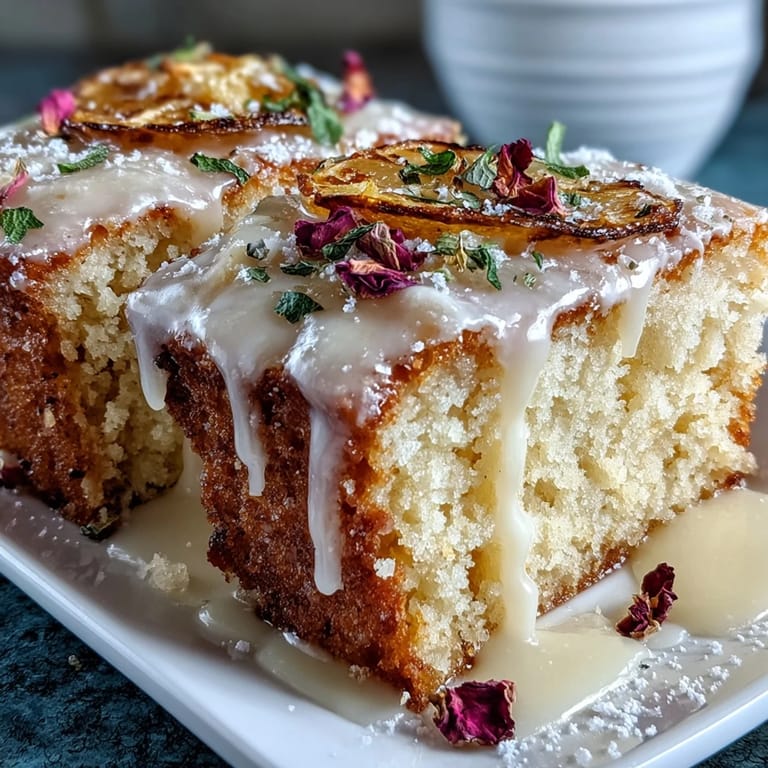
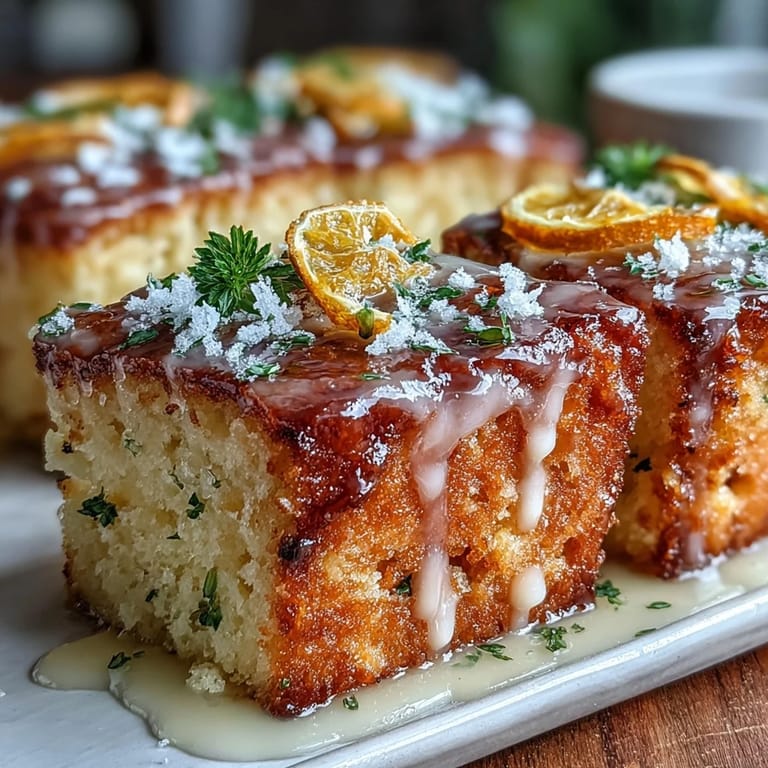
- The moment the cake comes out, use a skewer to poke holes all over the top—don't be timid, go deep. Slowly pour the drizzle over while the cake is still warm so it soaks all the way through instead of sitting on top.
- Cool and decorate:
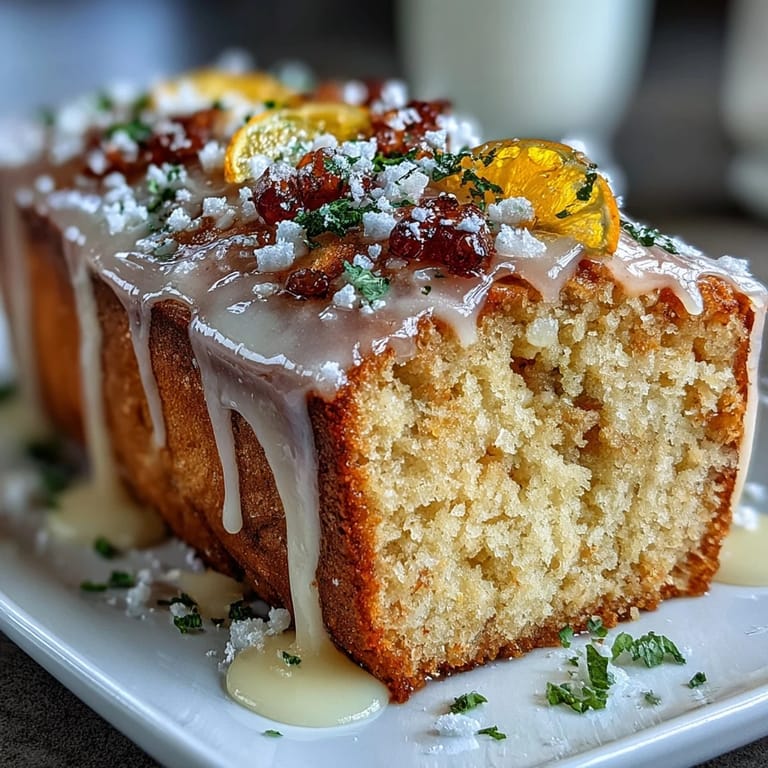
- Let it rest in the tin until completely cool, then turn it out onto your serving plate. Dust with icing sugar if you like and scatter edible flowers on top just before serving for the best visual impact.
 Save
Save There's a particular moment after the drizzle soaks in when you catch the scent of the cake cooling, and everything about the kitchen feels intentional and calm. That's the minute I remember why I started baking this in the first place—not for the Instagram photo or the compliments, but for that quiet satisfaction of having made something that actually nourishes someone you care about.
Why Edible Flowers Transform Everything
Edible flowers aren't actually about taste—violas and pansies are pretty much flavourless—but they do something unexpected to how people perceive food. The moment flowers appear, suddenly a simple cake becomes a celebration, which is half the point of cooking for someone special. I learned this accidentally when I had nothing else to decorate with and scattered some pansies from the garden, and everyone assumed I'd spent hours on details I hadn't even planned.
Storage and Making Ahead
This cake genuinely improves on day two, when the crumb has absorbed all the lemon flavour and feels almost melting on your tongue. Keep it covered at room temperature for up to four days, or wrap it well and freeze for up to three months—just thaw it unwrapped so condensation doesn't make it soggy. If you're baking ahead for Mother's Day, do everything except the flower decoration a day early, then add the flowers just before serving so they stay fresh and perky.
Serving Suggestions and Sweet Additions
A generous dollop of softly whipped cream or crème fraîche alongside each slice changes the whole experience, adding richness that balances the brightness of the lemon beautifully. Serve it with good tea or even a glass of elderflower cordial for something lighter. A small scoop of vanilla ice cream melting into a warm slice would absolutely not be a waste of time.
- Make it ahead and store in an airtight tin to keep it fresh for up to four days.
- Dust with extra icing sugar just before serving for a prettier presentation.
- If you can't find edible flowers, candied lemon peel scattered on top tastes just as special.
 Save
Save This cake tastes like springtime and intention, the kind of thing that makes someone feel genuinely seen on their special day. You've got this.
Recipe Questions & Answers
- → How do I keep the cake moist?
Ensure not to overbake and pour the lemon drizzle while the cake is still warm to lock in moisture.
- → Can I use any edible flowers for decoration?
Only use pesticide-free flowers specifically labeled safe for eating, such as violas and pansies.
- → What’s the best way to zest lemons?
Use a fine grater or microplane to zest only the yellow part, avoiding the bitter white pith underneath.
- → How should I store the cake after baking?
Keep it covered at room temperature for up to two days or refrigerate wrapped to maintain freshness.
- → Is there a gluten-free option?
Substitute self-raising flour with a gluten-free blend and add 1 teaspoon baking powder for leavening.