 Save
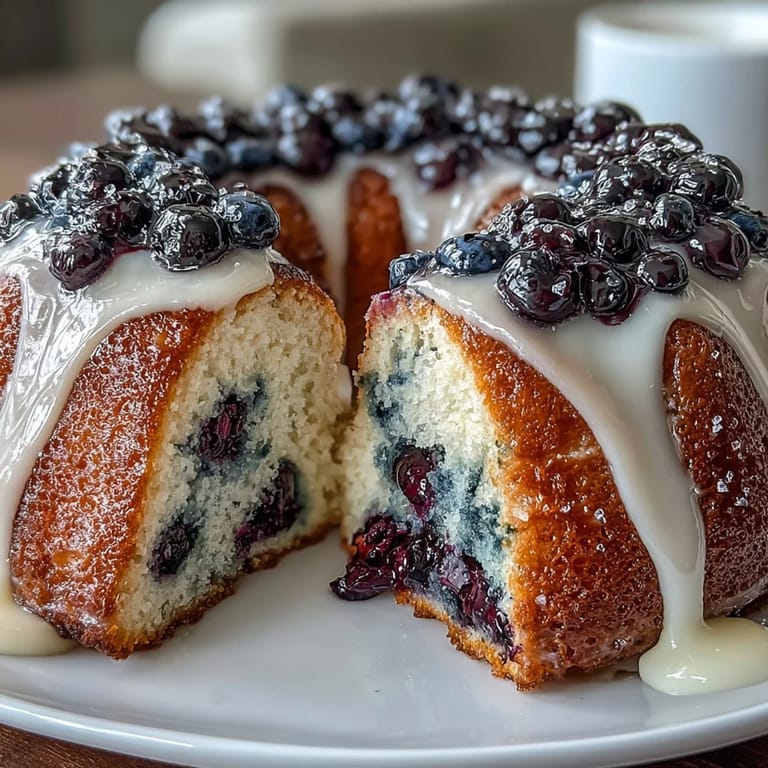
Save My sister called me three days before her birthday asking if I could make something that tasted like spring. I was standing in my kitchen on a gray afternoon when she said it, and something about the request made me want to capture that exact feeling—bright, hopeful, bursting with color. That's when this lemon blueberry cake came to life, a cake that somehow tastes like sunshine and tastes like celebration all at once.
I'll never forget watching my sister's face when she saw it coming out of the cake box at her party. The layers were perfectly golden, studded with those dark blue berries, and somehow it looked like spring was sitting right there on the table. Her best friends asked for the recipe before they'd even finished their first bites, and I realized this cake had become the kind of thing people actually want to make themselves.
Ingredients
- All-purpose flour: Measure by spooning into the cup and leveling off—don't scoop straight from the bag or you'll pack in too much and end up with a dense crumb.
- Baking powder and baking soda: These two work together to give you a tender, springy texture that holds all those blueberries without collapsing.
- Unsalted butter: Softness matters here—leave it on the counter for about an hour so it beats into that pale, fluffy cloud that traps air into the batter.
- Granulated sugar: This is what creates that delicate crumb structure, so don't skip the creaming step even if you're in a hurry.
- Room temperature eggs: Cold eggs won't blend smoothly into the butter, and you'll end up with a separated, curdled-looking batter that never recovers.
- Fresh lemon zest: Use a microplane grater and get the bright yellow part only—the white pith underneath tastes bitter and harsh.
- Fresh lemon juice: Bottled juice won't give you that same zingy, alive flavor that makes people close their eyes after the first bite.
- Whole milk: Room temperature milk blends seamlessly into the batter without shocking the mixture or causing it to break.
- Fresh blueberries: Toss them with a tablespoon of flour before folding in—this simple trick keeps them suspended throughout the cake instead of sinking.
- Cream cheese: Softened butter and cream cheese create a frosting that's both tangy and rich, with a spreadable texture that doesn't melt immediately.
- Powdered sugar: Sift it first to break up any lumps, or you'll have grainy frosting no matter how long you beat it.
Tired of Takeout? 🥡
Get 10 meals you can make faster than delivery arrives. Seriously.
One email. No spam. Unsubscribe anytime.
Instructions
- Get your oven and pans ready:
- Preheat to 350°F and grease those three 8-inch pans, then line them with parchment paper so your cake layers slide out without sticking. This step takes two minutes but saves you from frustration later.
- Combine your dry ingredients:
- Whisk flour, baking powder, baking soda, and salt together in a medium bowl—this distributes the leavening evenly so you get an even rise. Set it aside and don't touch it until you need it.
- Cream butter and sugar until fluffy:
- Beat them together for about 3 to 4 minutes until the mixture looks pale, thick, and almost mousse-like. This is where the magic happens—you're incorporating air that makes the cake tender and light.
- Add eggs one at a time:
- After each egg goes in, beat well so it's fully incorporated before adding the next one. This prevents the batter from looking separated and curdled.
- Mix in lemon zest and juice:
- The zest brings that floral, bright note while the juice adds moisture and tang. Beat until everything is evenly distributed and you can see little specks of lemon throughout.
- Alternate wet and dry ingredients:
- Start with flour, then milk, then flour again—this way the flour helps absorb the milk and prevents overmixing. Stir just until combined; lumps are better than overdevelopment.
- Fold in the floured blueberries:
- Use a rubber spatula and a gentle hand, turning the batter over itself rather than stirring aggressively. You want them distributed but not bruised or breaking apart.
- Divide batter and smooth the tops:
- Pour equal amounts into each prepared pan and use a spatula to level the tops so your cake layers bake evenly. Uneven layers mean uneven cooking and frustration during assembly.
- Bake until golden and set:
- After 25 to 30 minutes, insert a toothpick into the center—it should come out clean with maybe a crumb or two. The cakes should smell intensely lemony and look light golden on top.
- Cool in pans, then turn out:
- Wait 10 minutes so they firm up enough to handle, then turn them out onto wire racks. This prevents them from cooking further and becoming dry on the bottoms.
- Make the lemon cream cheese frosting:
- Beat softened cream cheese and butter together until completely smooth, then add powdered sugar gradually so you don't create a cloud of sugar dust. Add lemon juice, vanilla, and salt, and beat until fluffy and spreadable.
- Assemble with confidence:
- Place one cake layer on your serving plate, spread frosting over the top, then repeat with the second layer and frosting. Top with the final layer and frost the top and sides, getting the edges as smooth as you can manage.
- Decorate and serve:
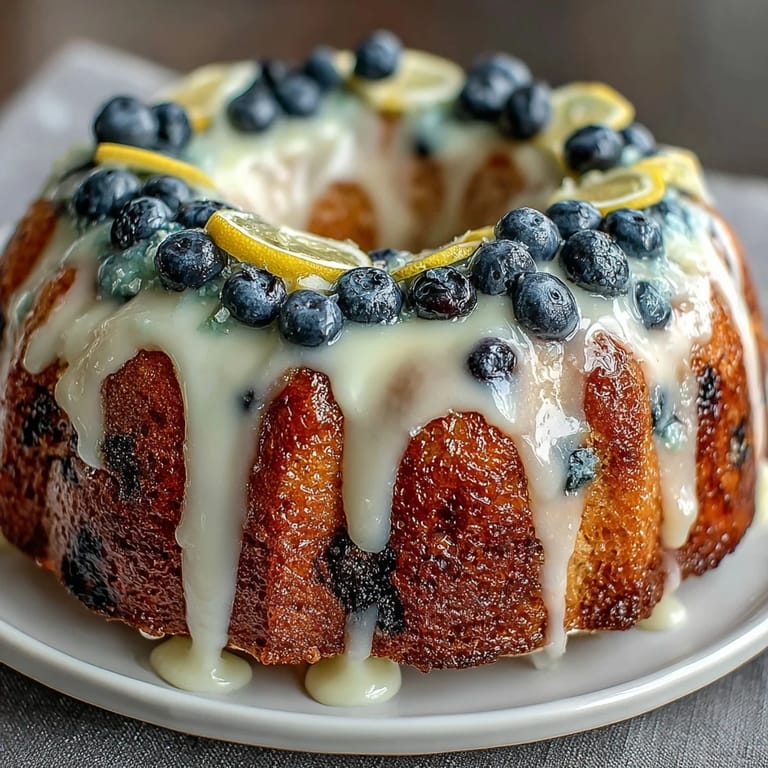
- Scatter fresh blueberries across the top, add lemon zest curls made with a microplane, and tuck in edible flowers if you have them. Chill for at least 30 minutes before slicing so the frosting sets and layers don't shift.
 Save
Save What surprised me most was how this cake brought people together in a way I didn't expect. My sister's coworkers were trading the recipe in a group chat before the party ended, and suddenly I was getting texts from strangers asking about lemon zest and whether they could make it for their own celebrations. Food has this quiet power to connect people, and this cake seemed to unlock something joyful in everyone who tasted it.
The Science Behind the Flavor
Lemon is one of those flavors that tricks your brain into thinking something is sweeter than it actually is, which is why this cake feels indulgent without being cloying. The acid in both the zest and juice brightens the buttercream frosting and cuts through the richness of the cream cheese and butter. When you combine that with the subtle tartness of fresh blueberries, you get a cake that tastes refreshing rather than heavy, even on the warmest spring day.
Making It Your Own
One of the things I love about this cake is how flexible it can be without losing its identity. You can brush the cooled layers with a simple lemon syrup (just equal parts sugar and lemon juice heated together and cooled) to add extra moisture and intensity. Some people prefer less frosting between layers and more frosting on the outside, while others do the opposite—there's no wrong answer here, just different preferences.
Time-Saving and Make-Ahead Strategies
The cake layers can be made up to a day ahead if you wrap them tightly once they've cooled completely—this actually gives the crumb time to set and become sturdier. The frosting can be made a few hours before assembly and stored in the fridge; just let it sit on the counter for 15 minutes to soften slightly before spreading. Assembly only takes about 15 minutes if you've got everything prepped, so you can pull this together even on a busy day.
- Fresh blueberries stay plump and flavorful when you fold them in last, rather than adding them to the dry ingredients.
- A warm, damp kitchen towel wrapped around the outside of your cake pans while they cool helps them turn out cleanly without sticking.
- If you don't have three round pans, you can bake two layers and split one layer horizontally using a serrated knife or cake leveler—it takes an extra five minutes but works beautifully.
 Save
Save This cake tastes like spring tastes like hope, and that's exactly what my sister asked for. Make it for someone you love, or make it for yourself on a day when you need to taste something that feels like celebration.
Recipe Questions & Answers
- → How do I prevent blueberries from sinking in the batter?
Toss the fresh blueberries in a tablespoon of flour before gently folding them into the batter. This helps suspend them evenly during baking.
- → What is the best way to achieve a moist cake texture?
Using softened butter and beating it with sugar until fluffy helps incorporate air. Alternating flour and milk while mixing ensures even moisture distribution.
- → Can I prepare the cake layers ahead of time?
Yes, bake the layers a day in advance, cool completely, then wrap tightly to maintain freshness before frosting.
- → What frosting complements lemon and blueberry flavors well?
A lemon cream cheese frosting adds creamy tartness that balances the sweet fruit and bright citrus notes.
- → How can I enhance the lemon flavor in the cake?
Brushing the baked layers with a simple lemon syrup before frosting intensifies the citrus aroma and moisture.