 Save
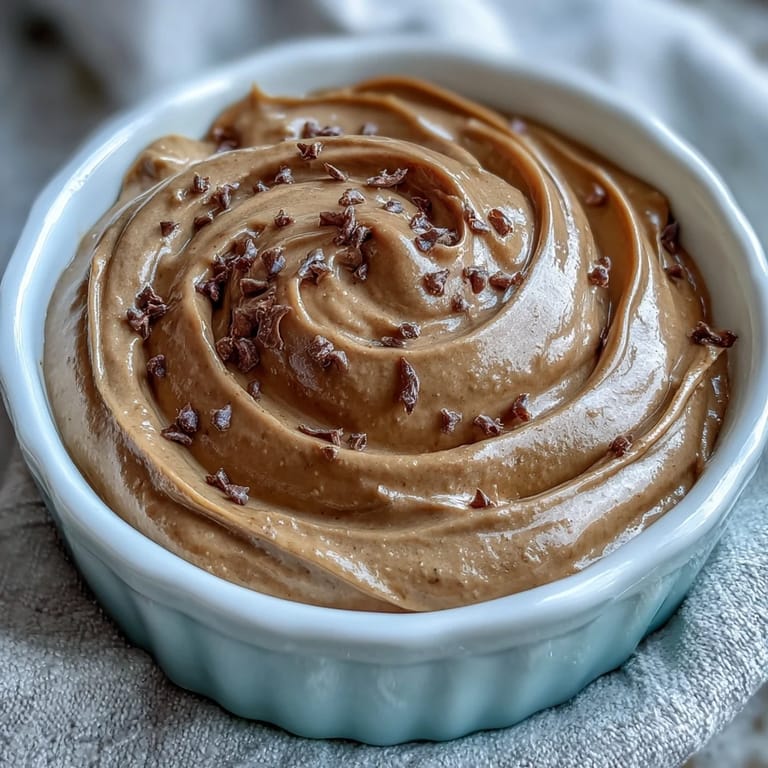
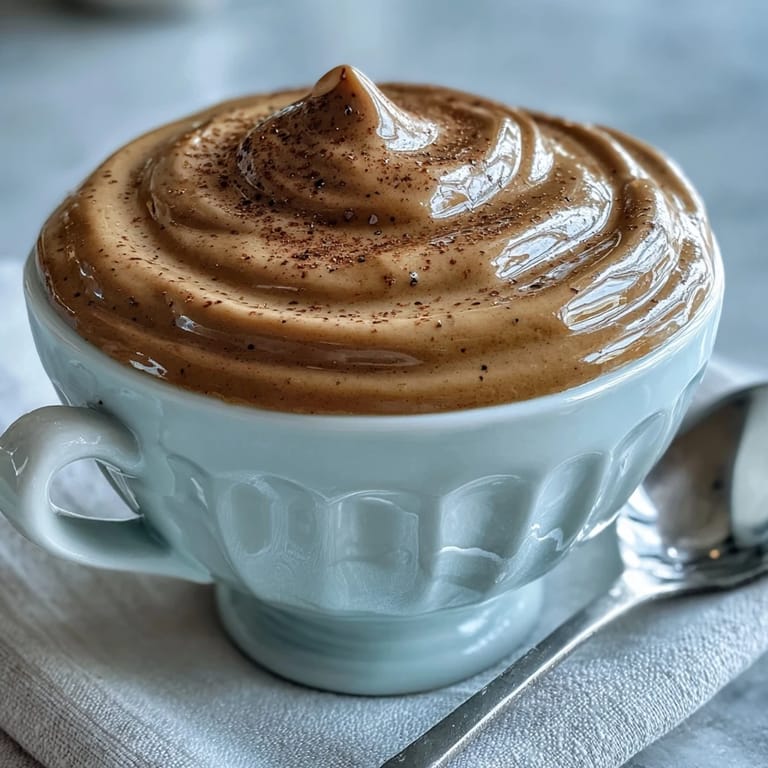
Save I discovered hojicha pastry cream by accident on a quiet afternoon in a small Tokyo café, where the pastry chef casually mentioned she'd grown tired of vanilla. She handed me a tiny éclair filled with this toasted tea cream, and the moment it melted on my tongue, I understood why she'd made the switch—it was like tasting caramelized tea leaves wrapped in silk. That single bite sent me home determined to figure out how she'd done it, and after several attempts (and one very grainy disaster), I finally cracked the code.
I made this cream for the first time at my friend's request, filling cream puffs for her small dinner party, and I was honestly nervous—tempering eggs always feels like defusing a tiny bomb. But the kitchen filled with this incredible toasted aroma as the hojicha steeped, and by the time my guests bit into those puffs, all my anxiety melted away. That night taught me that a little ritual and patience in the kitchen can turn a simple custard into something people remember.
Ingredients
- Whole milk (2 cups): This is your flavor vehicle—the milk carries and softens the hojicha's intensity, so don't skimp on quality here.
- Hojicha loose leaf tea (3 tablespoons): The star ingredient that gives this cream its signature toasted, slightly smoky character; loose leaf extracts far better flavor than bags.
- Unsalted butter (3 tablespoons): Added at the end, it creates that silky mouthfeel and glossy finish that makes this cream truly luxurious.
- Egg yolks (4 large): These are what set the cream and give it body; they're your foundation, so use fresh ones at room temperature.
- Granulated sugar (1/2 cup): Sweetens the custard while also helping to stabilize the egg yolks during tempering.
- Cornstarch (3 tablespoons): This prevents the cream from breaking and gives it that perfect, spoonable consistency without any graininess.
- Vanilla extract (1/2 teaspoon): A whisper of vanilla rounds out the hojicha's intensity and adds depth without competing for attention.
- Salt (pinch): A tiny amount amplifies the toasted tea flavor and keeps everything balanced.
Tired of Takeout? 🥡
Get 10 meals you can make faster than delivery arrives. Seriously.
One email. No spam. Unsubscribe anytime.
Instructions
- Heat and steep the hojicha:
- Pour milk into your saucepan and let it warm until you see wisps of steam rising—don't let it boil, as that can scald the milk and dull the tea's delicate flavor. Stir in the hojicha, cover the pan, and step away; the 10 minutes of steeping is when the magic happens, as the toasted leaves slowly release their warm, nutty essence into the milk.
- Strain with intention:
- Pour the infused milk through a fine mesh sieve, and gently press the tea leaves against the sieve with the back of a spoon to coax out every drop of flavor. You should have about 2 cups of beautiful, caramel-colored hojicha milk.
- Temper the eggs:
- In your mixing bowl, whisk together the egg yolks, sugar, cornstarch, and salt until the mixture is thick, pale, and smooth—this should take about a minute or two. Slowly drizzle in the warm hojicha milk while whisking constantly; this gradual process is crucial because it raises the egg temperature slowly so they cook evenly instead of scrambling.
- Cook until thick and glossy:
- Pour everything back into the saucepan and cook over medium heat, whisking constantly without stopping—you'll feel the mixture go from thin to creamy to silky. Once you see gentle bubbles breaking the surface and the cream coats the back of a spoon, you're done; this usually takes 2 to 3 minutes.
- Finish with butter and vanilla:
- Remove the pan from heat and whisk in the butter and vanilla extract until completely smooth and incorporated. The butter melts into the warm cream, adding richness and that signature silky texture.
- Cool without a skin:
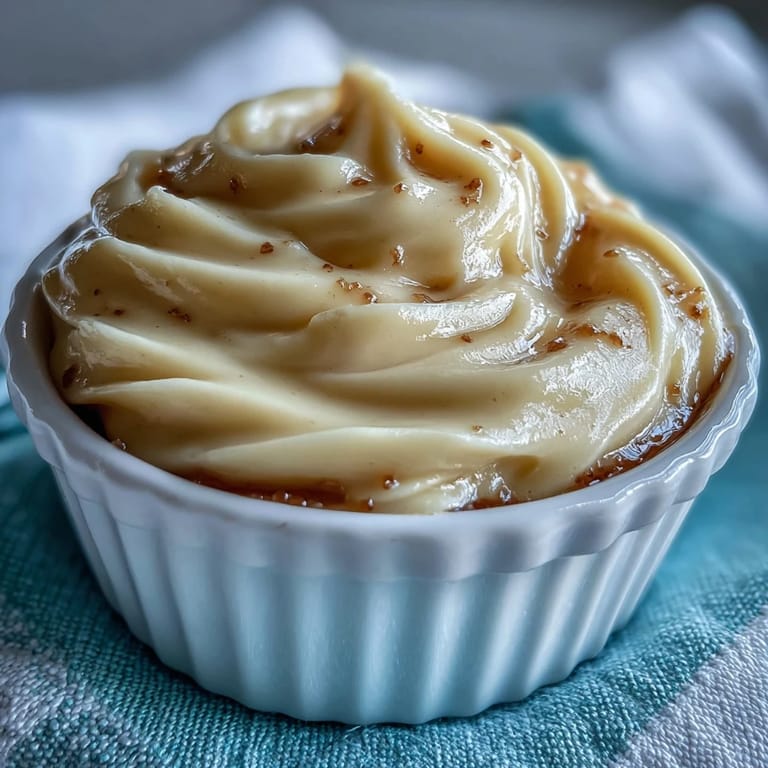
- Transfer the cream to a clean bowl and press a piece of plastic wrap directly onto the surface—this prevents a thick skin from forming on top as it cools. Pop it in the refrigerator for at least an hour, though overnight is even better for flavor to fully develop.
 Save
Save This cream brought me closer to my grandmother than I expected; she's not a baker, but she sat in my kitchen one afternoon while I made it, and we talked about how tea flavors desserts in her childhood home. Watching her taste it, seeing that flicker of recognition in her expression—it reminded me that cooking is really about connection. That's when this recipe became more than just a fancy filling to me.
The Art of Tempering
Tempering eggs sounds intimidating, but it's really just a conversation between heat and eggs, done slowly so nobody gets hurt. The key is not to rush; think of it like warming your hands over a campfire—you move gradually closer, not jump straight into the flames. I used to be terrified of this step, but once I understood that slow and steady always wins, every batch became confidently smooth.
Hojicha: More Than Just Tea
Hojicha tea is special because it's roasted, which mellows its bitterness and brings out nutty, almost caramel-like notes—qualities that regular green tea simply can't match in a dessert. The roasting process creates this complex flavor profile that feels sophisticated without being pretentious, making it perfect for filling pastries that deserve to shine. Once you taste hojicha in a custard, you'll understand why Japanese pastry chefs have known this secret for years.
Storage and Variations
This cream keeps beautifully in the refrigerator for up to four days, so you can make it ahead and assemble your pastries when you're ready. If you want a lighter texture, fold in some whipped cream just before filling your puffs or éclairs—this trick has saved me more than once when I wanted dessert to feel a bit less heavy. Here are a few more ways to make this recipe work harder for you:
- Swap hojicha powder (2 teaspoons whisked directly into the milk) if loose leaf isn't available, though the flavor will be slightly more concentrated.
- Layer this cream between sponge cake and fresh berries for a dessert that tastes like a quiet autumn afternoon.
- Pair it with matcha choux pastry for a beautiful color contrast and complementary tea flavors that work in harmony.
 Save
Save This hojicha pastry cream is proof that sometimes the best discoveries come from stepping outside what you already know. Make it, fill something beautiful with it, and watch the moment someone tastes it and realizes that dessert just got a little more interesting.
Recipe Questions & Answers
- → What does hojicha taste like in pastry cream?
Hojicha adds warm, toasty notes with subtle smokiness and nutty undertones. The roasted tea creates a mellow, caramel-like flavor that pairs beautifully with the rich, creamy base without becoming bitter or overpowering.
- → Can I make this ahead of time?
Yes, pastry cream actually benefits from resting. Prepare it up to 24 hours in advance, store it with plastic wrap pressed directly onto the surface, and whisk briefly before using. The flavors develop and the texture becomes even smoother.
- → How do I store leftover hojicha cream?
Keep refrigerated in an airtight container with plastic wrap touching the surface to prevent skin formation. It will stay fresh for 3-4 days. The texture may firm slightly—simply whisk to restore smoothness before using.
- → Can I substitute the cornstarch?
Arrowroot powder or tapioca starch work as 1:1 substitutes, though the final texture may differ slightly. Cornstarch provides the classic glossy finish and stable structure expected in traditional pastry cream.
- → Why temper the eggs with warm milk?
Tempering prevents the eggs from scrambling when heated. Gradually adding warm milk while whisking raises the egg temperature gently, ensuring a smooth, silky custard without cooked egg bits.
- → What pastries work best with this filling?
Classic choices include cream puffs, éclairs, and Paris-Brest. It also shines as a layer in cakes, filling for tart shells, or folded into whipped cream for a lighter mousse-like texture in parfaits.