 Save
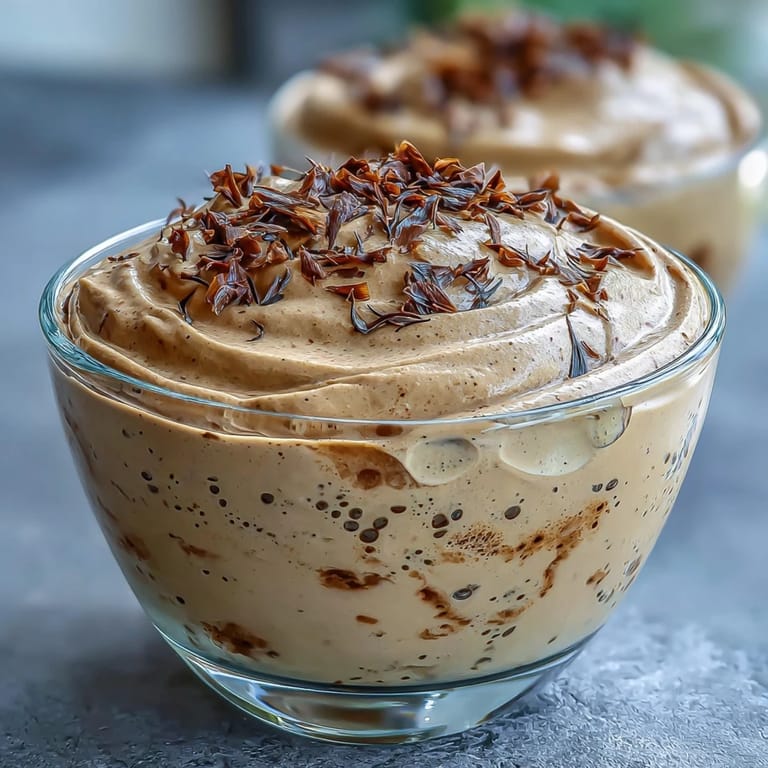
Save One quiet afternoon, I found myself captivated by the deep, toasted aroma wafting from a small Japanese tea shop, and it struck me that hojicha's gentle bitterness deserved a more delicate showcase than the usual latte. That realization led me to experiment with transforming it into something ethereal—a mousse so light it practically dissolves on your tongue, carrying whispers of roasted grain and caramel without any heavy cream to weigh it down. The first spoonful felt like a small victory, proof that restraint and precision could create something far more memorable than abundance ever could.
I served this to my friend Yuki during a conversation about how we both missed simple, understated flavors, and watching her take that first bite—the way her eyes softened—told me everything about why this dessert exists. She said it tasted like calm, and honestly, that's exactly what I was aiming for when I started whisking those egg whites into oblivion at nine o'clock on a Wednesday night.
Ingredients
- Hojicha tea leaves: Use a quality loose-leaf variety, finely ground if you can find it, because this is where your entire flavor comes from and there's no hiding subpar tea here.
- Whole milk: The fat content matters for mouthfeel; if you're going dairy-free, oat milk works beautifully and keeps the texture silky.
- Eggs, separated: Cold eggs separate easier, and keeping your whites completely free of any yolk is non-negotiable for proper volume and stability.
- Granulated sugar: Split between the yolks and whites for different purposes, creating both richness and stability in separate stages.
- Cornstarch: This prevents the egg yolks from scrambling when you add the hot milk, a trick I learned after one ruined batch.
- Powdered gelatin: Just enough to set the mousse without making it rubbery or stiff—restraint is the whole point here.
- Vanilla extract: A subtle background note that lets the hojicha remain the star.
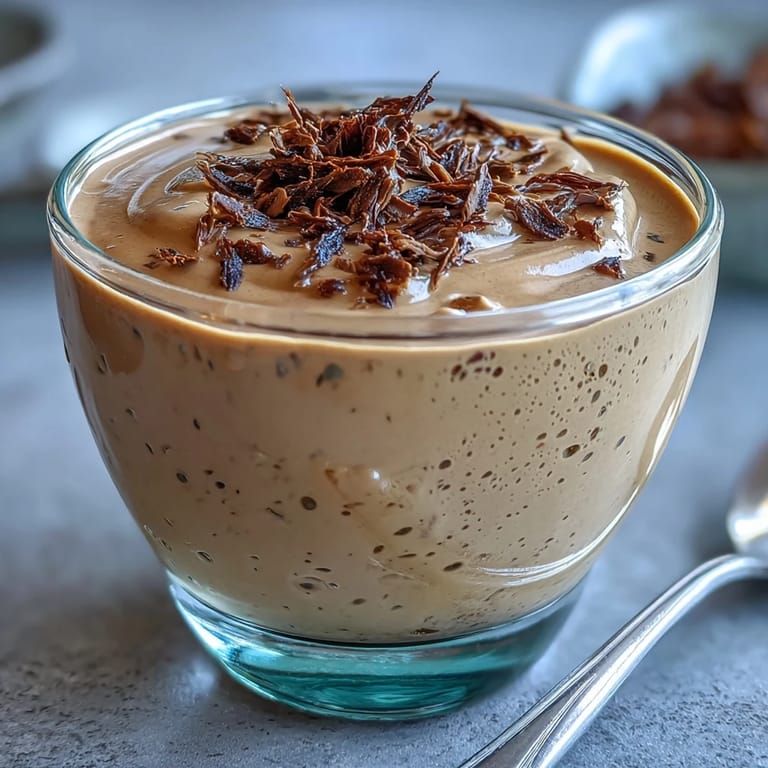
- Garnish: Toasted hojicha tea leaves or cocoa nibs add texture and a final flavor echo that makes people pause and ask what they're tasting.
Tired of Takeout? 🥡
Get 10 meals you can make faster than delivery arrives. Seriously.
One email. No spam. Unsubscribe anytime.
Instructions
- Infuse the hojicha milk:
- Heat milk until small wisps of steam rise from the surface, then add your hojicha leaves and cover the pot to trap those precious roasted aromas. After ten minutes of steeping, strain carefully through a fine mesh to catch every bit of sediment that would cloud your final mousse.
- Bloom the gelatin:
- Sprinkle it over cold water and let it sit undisturbed for five minutes until it looks spongy and absorbs all the liquid. This step prevents lumps from forming later when you add it to the hot mixture.
- Create the custard base:
- Whisk egg yolks with half the sugar and cornstarch until the mixture turns pale and ribbon-like, which signals that the sugar has fully dissolved and the texture is ready. Slowly pour in the warm hojicha milk while whisking constantly to temper the yolks gently.
- Cook over gentle heat:
- Set your bowl over simmering water and whisk constantly, watching for the moment when the mixture coats the back of a spoon with a thin veil that doesn't immediately run off. This takes about three to five minutes and requires patience, but rushing it risks scrambling everything you've built.
- Dissolve the gelatin:
- Remove from heat and immediately stir in your bloomed gelatin, making sure every granule dissolves completely into the hot custard. Add vanilla and set the bowl aside, stirring occasionally as it cools to room temperature—this prevents a skin from forming and ensures even cooling.
- Whip the egg whites:
- In a spotlessly clean bowl, beat whites until they form soft peaks that curl slightly when you lift the whisk, then gradually add the remaining sugar while beating until the peaks become glossy and stiff enough to hold their shape. This takes longer than you'd expect, but the glossiness indicates proper incorporation of sugar and stability.
- Fold gently:
- Add the egg whites to the cooled hojicha mixture in three additions, folding with a rubber spatula using an underhand motion that turns the bowl rather than the mixture itself. Each addition should disappear into the mousse before you add the next, and the final texture should look like soft clouds.
- Chill until set:
- Spoon into serving glasses or ramekins and refrigerate for at least two hours until the mousse holds its shape when you run a spoon through it. This waiting period is when the gelatin fully sets and the flavors meld into something greater than their parts.
- Finish and serve:
- Just before serving, top with your garnish of choice—I prefer the toasted hojicha leaves because they echo the base flavor and add a slight textural contrast.
 Save
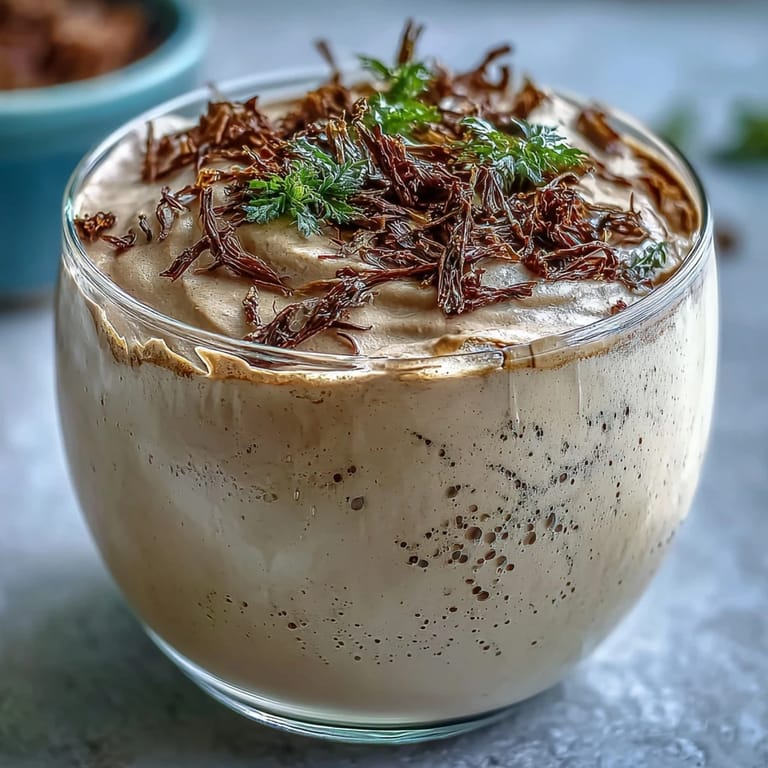
Save There's something almost ceremonial about the moment a mousse sets perfectly in the refrigerator—you open the door and see that silky dome holding its shape, and suddenly all the measuring and whisking feels worthwhile. My mother called it "a dessert that tastes like it knows its own worth," and I think she was right about that.
Why Hojicha Over Other Teas
Hojicha's roasted character brings a unique warmth that feels less floral and fussy than green or white tea, making it grounding rather than delicate in a way that surprises people who expected something more fragile. The flavor deepens as it sits in the mousse, so what tastes subtle on day one becomes more pronounced by day two, which is why this dessert actually improves slightly overnight if you can resist eating it immediately.
Making It Dairy-Free Without Compromise
Oat milk has enough body and fat to carry the hojicha flavor without tasting thin or grassy, and it froths with the heat just like dairy milk does. Almond milk works too but has less richness, so if you go that route, consider reducing the recipe by half a cup of liquid to concentrate the flavor slightly.
Serving Suggestions and Pairings
This mousse asks for restraint in its presentation—serve it in small glasses so the visual simplicity matches the refined flavor, and let each spoonful speak for itself without competing sides. A few fresh raspberries or a drizzle of honey can add brightness if you want textural variation, though honestly, it stands beautifully alone.
- Pair it with a chilled cup of hojicha or a light floral sake to echo the flavors rather than fight them.
- Make it ahead for dinner parties since it needs two hours to chill anyway, and you'll have one less thing to stress about in the kitchen.
- If you're serving to someone who's never had hojicha, explain that it tastes like a gentler, more caramel-forward cousin of regular green tea so they know what to expect.
 Save
Save This mousse exists in that rare space where elegance and simplicity shake hands, where fewer ingredients somehow create more flavor. Make it once and you'll understand why I keep returning to it whenever I need to remind myself that sometimes the most memorable moments taste like quiet.
Recipe Questions & Answers
- → What does hojicha taste like?
Hojicha delivers distinctive roasted, nutty notes with earthy undertones and natural caramel sweetness. Unlike other green teas, the roasting process reduces bitterness and creates a warm, comforting flavor profile that shines beautifully in desserts.
- → Can I make this mousse ahead of time?
Absolutely. The mousse requires at least two hours to set properly, and actually improves after chilling longer. You can prepare it up to 24 hours in advance. Keep refrigerated until ready to serve, and add garnishes just before presenting.
- → What can I use instead of gelatin?
Agar-agar works as a vegetarian alternative, though the texture will be slightly firmer. Use about 1 teaspoon agar powder dissolved in hot liquid. Note that the setting time may differ from gelatin, so allow extra chilling time.
- → Why separate the eggs?
Separating eggs creates the signature airy texture. Yolks provide richness and help thicken the base when cooked with tea-infused milk. Whipped whites incorporate air bubbles, resulting in that characteristic light, fluffy mousse consistency.
- → How do I know when the custard base is thick enough?
The custard is ready when it coats the back of a spoon and leaves a clear trail when you run your finger through it. This typically takes 3-5 minutes of constant whisking over simmering water. Avoid overheating, which could scramble the eggs.
- → Can I use other tea varieties?
While hojicha's roasted flavor pairs exceptionally well, you can substitute other teas. Matcha creates vibrant green color with grassy notes. Earl Grey lends bergamot aroma. Sencha offers delicate vegetal flavor. Adjust steeping time based on tea intensity.