 Save
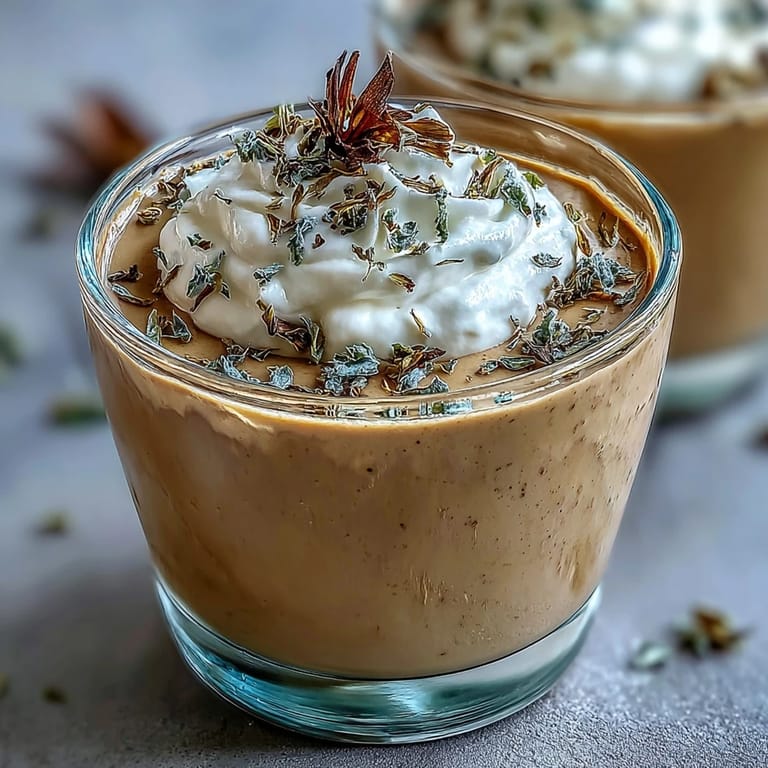
Save Hojicha Pudding is a silky, custard-style dessert that captures the distinctive essence of roasted Japanese green tea. Unlike standard green teas, hojicha undergoes a roasting process that transforms its profile into something deeply aromatic, nutty, and earthy. This dessert balances that robust character with the smooth creaminess of milk and heavy cream, creating a refined treat that is simple to prepare yet sophisticated in flavor.
Save By steeping the loose leaf tea directly in a warm milk base, you extract the full depth of the hojicha. This method allows the earthy notes to permeate the custard, which is then gently thickened with egg yolks to achieve the perfect consistency. It is a light yet satisfying way to end any meal.
Ingredients
Tired of Takeout? 🥡
Get 10 meals you can make faster than delivery arrives. Seriously.
One email. No spam. Unsubscribe anytime.
- Custard Base
- 2 cups whole milk
- 1/2 cup heavy cream
- 2 tablespoons hojicha loose leaf tea (or 2 hojicha tea bags)
- 1/4 cup granulated sugar
- 2 large eggs
- 1 teaspoon vanilla extract
- Garnish (optional)
- Whipped cream
- Roasted tea leaves or cocoa powder
Instructions
- Step 1
- In a saucepan, combine milk and heavy cream. Heat over medium heat until just below simmering (do not boil).
- Step 2
- Remove from heat. Add hojicha tea leaves (or tea bags) and steep for 5–7 minutes. Strain the mixture to remove leaves or bags.
- Step 3
- In a mixing bowl, whisk together sugar and eggs until pale and smooth.
- Step 4
- Gradually pour the warm hojicha-infused milk into the egg mixture, whisking constantly to prevent curdling.
- Step 5
- Stir in vanilla extract.
- Step 6
- Pour the mixture through a fine sieve into a clean saucepan to ensure smoothness.
- Step 7
- Cook over low heat, stirring continuously with a spatula, until the custard thickens enough to coat the back of the spoon (about 5–7 minutes). Do not let it boil.
- Step 8
- Remove from heat and pour into serving glasses or ramekins.
- Step 9
- Allow to cool to room temperature, then chill in the refrigerator for at least 2 hours until set.
- Step 10
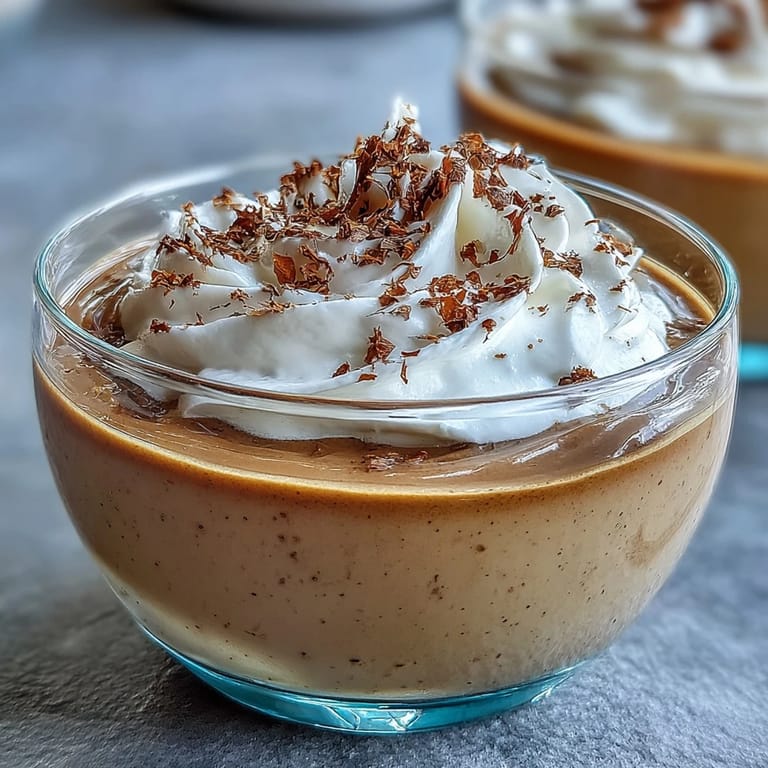
- Serve topped with whipped cream and a sprinkle of roasted tea leaves or cocoa powder, if desired.
Zusatztipps für die Zubereitung
If you prefer using hojicha powder instead of loose leaf tea, use 2 teaspoons and whisk it directly into the milk mixture. To ensure the smoothest texture, always use a fine mesh strainer when moving the mixture between bowls and pans to catch any stray tea particles or egg solids.
Varianten und Anpassungen
For a vegan version of this pudding, substitute the whole milk and heavy cream with coconut milk and a plant-based cream. Replace the eggs with 2 tablespoons of cornstarch to achieve the necessary thickness.
Serviervorschläge
Top each serving with a dollop of whipped cream and a light sprinkle of cocoa powder or roasted tea leaves. This pudding also pairs beautifully with fresh berries or a delicate drizzle of honey for added sweetness.
 Save
Save This Hojicha Pudding is a delightful way to explore the world of roasted Japanese tea. With its silky texture and rich, toasted notes, it serves as a simple yet impressive dessert that highlights the beauty of minimalist Japanese-inspired cooking.
Recipe Questions & Answers
- → What makes hojicha different from regular green tea?
Hojicha is roasted green tea leaves, giving it a reddish-brown color and distinctive nutty, toasty flavor with less bitterness than standard green tea. This roasting process creates those warm, earthy notes that pair beautifully with rich dairy.
- → Can I use hojicha powder instead of loose leaves?
Absolutely. Simply whisk 2 teaspoons of hojicha powder directly into your warm milk mixture instead of steeping and straining loose leaves. This actually saves a step while still infusing the full roasted flavor throughout.
- → How long does the custard need to chill?
Plan for at least two hours in the refrigerator for the custard to properly set. This chilling time is essential for achieving that silky, firm texture. It can be made a day ahead, making it perfect for entertaining.
- → Is there a dairy-free option?
Yes. Substitute coconut milk for the dairy cream and use plant-based cream along with 2 tablespoons of cornstarch instead of eggs to achieve similar thickening. The coconut notes actually complement hojicha's earthy profile quite nicely.
- → What garnishes work best?
A dollop of lightly sweetened whipped cream adds lovely contrast. You could also sprinkle with additional roasted tea leaves, dust with cocoa powder, or add fresh berries and a drizzle of honey for extra flair.
- → Why is it important not to let the custard boil?
Boiling causes the eggs to curdle, resulting in a grainy, scrambled texture rather than smooth custard. Keep the heat low and stir continuously to gently thicken until it coats the back of a spoon—that's your signal it's done.