 Save
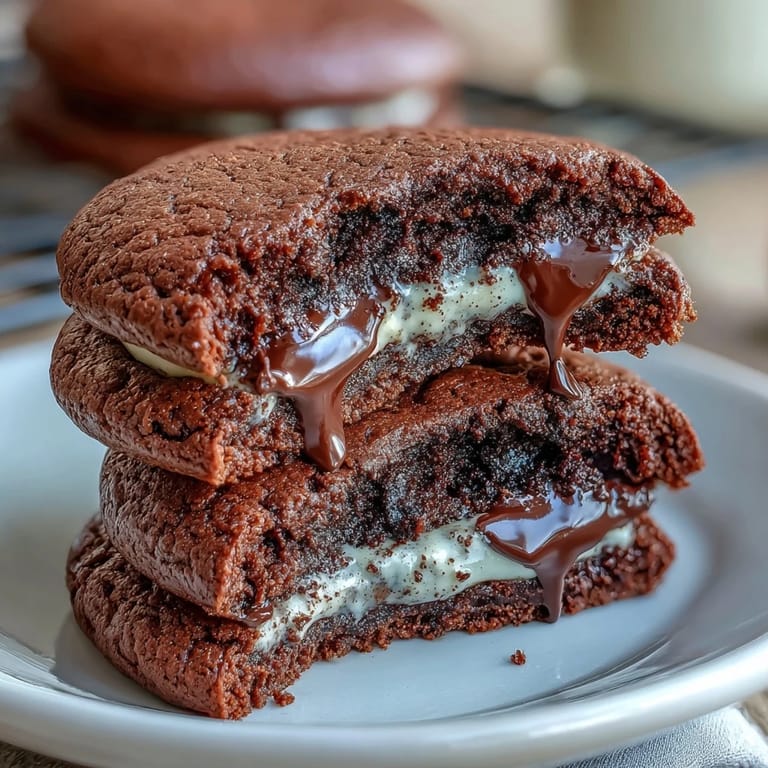
Save These cookies landed in my life during a particularly quiet afternoon when I was craving something that felt both comforting and a little bit mysterious. There's something about dark chocolate paired with vanilla that stops you mid-bite—it's not flashy, but it hits different. I wanted to capture that shadowy elegance in cookie form, the kind that looks deceptively simple until you taste the layers of flavor hiding inside. The milk swirled through the dough became my unexpected favorite detail, turning what could have been just another chocolate cookie into something that felt intentional and almost luxurious.
I made these for my neighbor who'd been dealing with a rough week, and watching her face when she bit into one felt like the whole afternoon was worth it. She kept coming back for seconds, asking what made them different, and I realized it was that balance—rich enough to feel indulgent but not so heavy you need a nap afterward. That batch taught me that sometimes the best recipes are the ones that make people pause and actually taste what they're eating instead of just grabbing another one on their way past.
Ingredients
- All-purpose flour (1 3/4 cups): This is your structural backbone, and measuring by weight keeps cookies consistent across batches—I learned that lesson after a year of slightly different results.
- Dutch-process cocoa powder (1/2 cup): Regular cocoa works, but Dutch-process gives you that deeper, almost velvety darkness that makes these feel sophisticated instead of just chocolatey.
- Baking soda (1 tsp): Trust the measurement here; too much and your cookies flatten into hockey pucks, too little and they stay puffy instead of setting properly.
- Fine sea salt (1/2 tsp): This isn't optional—it brightens the chocolate flavor and keeps sweetness from becoming cloying.
- Unsalted butter (3/4 cup): Room temperature is non-negotiable if you want that creamy incorporation that makes the dough feel almost silky.
- Dark brown sugar (1 cup) and granulated sugar (1/2 cup): The brown sugar brings molasses depth while granulated keeps things from being too dense—they're a team.
- Eggs (2 large, room temperature): Cold eggs don't incorporate smoothly, so pull them out of the fridge thirty minutes before you start mixing.
- Vanilla extract (2 tsp): Pure vanilla matters here because you're tasting it directly, not hiding behind other flavors.
- Almond extract (1/2 tsp optional): This is the secret handshake—just a whisper of it adds complexity that makes people wonder what the mysterious note is.
- Dark chocolate chunks (1 1/4 cups, 70% cocoa): Chunks feel more luxurious than chips, and 70% cocoa gives you bittersweet depth without being harsh.
- Whole milk (1/2 cup): This creates a tender crumb and adds that shadow milk cookie connection throughout the dough.
- White chocolate chips (1/2 cup): They melt slightly and create pockets of sweetness that contrast with the dark chocolate—they're not just decoration.
Tired of Takeout? 🥡
Get 10 meals you can make faster than delivery arrives. Seriously.
One email. No spam. Unsubscribe anytime.
Instructions
- Set your stage:
- Preheat your oven to 350°F and line two baking sheets with parchment paper—this takes ninety seconds and prevents the frantic scramble later. If you're the type to forget, set a phone timer right now.
- Gather your dry goods:
- Whisk flour, cocoa powder, baking soda, and salt together in a medium bowl and set it aside—this step prevents lumps of baking soda from surprising you mid-bite. I used to skip whisking and always regretted it.
- Cream your base:
- Beat softened butter with both sugars until the mixture looks noticeably lighter and fluffier, about two to three minutes of actual beating. You'll know it's right when it looks almost pale and has a mousse-like texture.
- Incorporate your eggs:
- Add eggs one at a time, beating well after each addition so everything emulsifies into a cohesive mass. This is where patience pays off—rushing this step results in grainier cookies.
- Add your extracts:
- Mix in vanilla and almond extracts, beating just until combined—this takes maybe twenty seconds and smells immediately amazing.
- Alternate wet and dry:
- On low speed, add your dry ingredients and milk in alternating additions, starting and ending with dry mixture—this prevents overmixing which is the enemy of chewy cookies. The dough should look slightly shaggy at the end, not smooth and glossy.
- Fold in your chocolate:
- Gently fold in dark and white chocolate chips using a spatula, being gentle so you don't develop more gluten—the dough should feel studded and rich. This is your last chance to admire all those chocolate pieces before they bake.
- Scoop and space:
- Scoop dough into roughly two-tablespoon portions onto your prepared sheets, leaving about two inches between each cookie. A cookie scoop makes this foolproof, but two spoons work fine if that's what you have.
- Bake until set but soft:
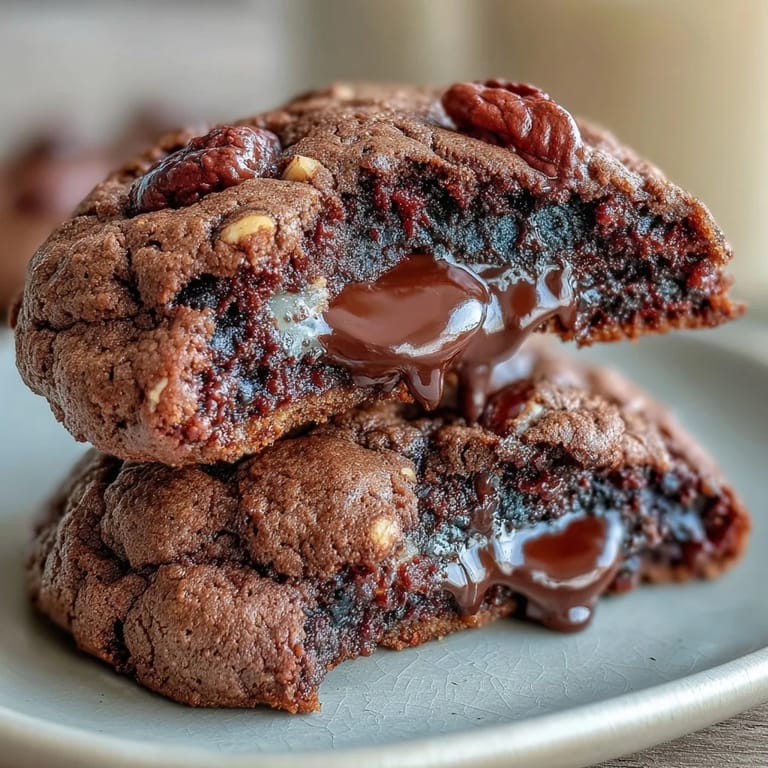
- Bake for eleven to thirteen minutes—you want the edges to look set and matte while the centers still look slightly puffy and soft. They continue cooking slightly as they cool, so pulling them out at this exact moment is what creates that chewy-meets-crisp texture.
- Cool with intention:
- Let cookies rest on the baking sheet for five full minutes before transferring to a cooling rack—this waiting period matters because they firm up enough to move without falling apart. After five minutes on the rack, they're yours to eat.
 Save
Save There was this moment while cooling the first batch when my roommate walked into the kitchen and just closed their eyes for a second, inhaling the chocolate-vanilla smell. No words, just a small nod of appreciation that made me feel like I'd uncovered something worth the effort. These cookies became our quiet ritual on stressed evenings—nothing fancy, just something genuine.
The Texture Sweet Spot
The magic happens in those final minutes of baking when the edges firm up but the center stays soft and puffy. I used to bake until they looked completely done, which resulted in cookies that were good but not memorable. The difference between an okay cookie and one people think about later is literally ninety seconds of baking time, which sounds absurd until you taste it. Now I set a timer for eleven minutes, check at that point, and usually end up at about twelve minutes depending on how my oven behaves that day.
Why Milk Changes Everything
Adding milk to chocolate cookie dough seems counterintuitive until you taste the result—it creates this tender crumb that feels almost velvety instead of cakey or dense. The first time I tried this technique, I was skeptical because it seemed like it would make the dough too wet, but the flour and cocoa powder absorb it beautifully. I've experimented with oat milk and almond milk for dairy-free versions, and they work, though whole milk creates the silkiest texture. The milk also plays into the shadow milk cookie inspiration, bringing that subtle sweetness that makes people wonder what your secret ingredient is.
Customizations That Work
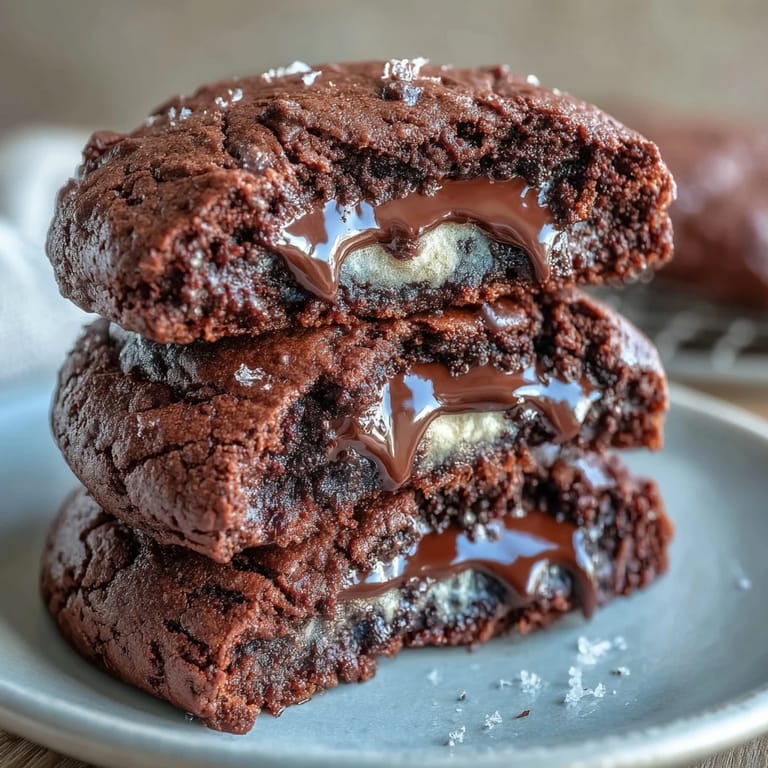
I've played with these cookies enough times to know what holds up and what falls flat. Adding a pinch of flaky sea salt on top before baking transforms them into something that feels gourmet without any extra effort. Espresso powder (1/4 tsp) deepens the chocolate flavor without making them taste like coffee. For a nod to the shadow milk cookie vibes, try brushing the warm cookies with a tiny bit of milk and sprinkling white sugar on top for a vanilla milk frosting effect.
- Sprinkle flaky sea salt on top before baking for an adults-only sophistication that people always ask about.
- Stir in 1/4 tsp espresso powder with your cocoa powder if you want the chocolate flavor to feel darker and more mysterious.
- Use chopped dark chocolate instead of chips if you prefer bigger, more substantial chunks in every bite.
 Save
Save These cookies remind me why baking matters—it's not about impressing anyone, it's about creating something that tastes like care. Share them still slightly warm with someone you care about, or keep them in an airtight container and eat them slowly over a week of quiet afternoons.
Recipe Questions & Answers
- → What gives these cookies their rich chocolate flavor?
Using Dutch-process cocoa powder alongside dark chocolate chunks intensifies the chocolate depth while keeping the texture moist and tender.
- → How does the vanilla contribute to the taste?
Pure vanilla extract and a touch of white chocolate chips add aromatic sweetness and a subtle creamy swirl within the cookies.
- → Can I substitute ingredients for dietary needs?
Plant-based milk and vegan chocolate chips can be used for a dairy-free variant without compromising richness.
- → What is the purpose of almond extract in this mix?
Almond extract adds a layer of nutty depth enhancing the overall flavor profile, but it’s optional and can be omitted if preferred.
- → How do I achieve the perfect chewy texture?
Mixing wet and dry ingredients gently and baking just until edges set while centers remain soft maintains a chewy, tender bite.