 Save
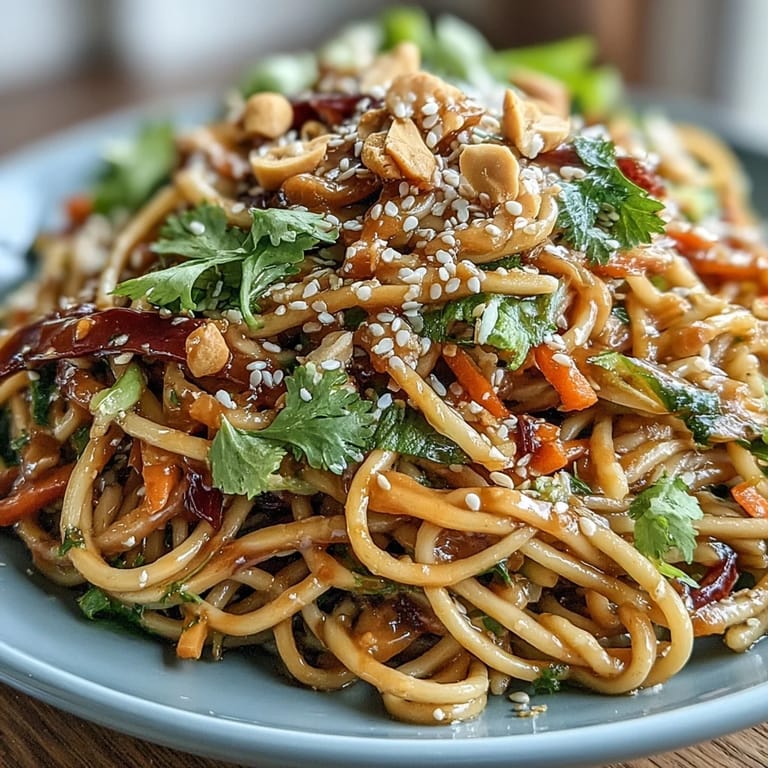
Save There's something about the smell of sesame oil hitting a hot pan that made me stop mid-conversation at a Bangkok street market years ago. A vendor was tossing noodles with the kind of casual confidence I envied, and I watched as cold noodles transformed into something that tasted like sunshine and earth at once. That moment stuck with me, and eventually I recreated it in my own kitchen—less spectacle, more authenticity. This Asian sesame noodle salad became my answer to those days when I wanted something bright and satisfying without spending hours cooking.
I made this for a potluck during a particularly hot summer, worried it might get forgotten among the heavier casseroles. Instead, I watched people bypass everything else and come back for thirds of the noodles, which taught me something important about feeding people what they actually want versus what tradition says to bring. My friend Sarah kept asking for the recipe, and I realized that sharing this dish felt like sharing a small piece of that Bangkok morning I'd never quite forgotten.
Ingredients
- Dried soba or spaghetti noodles (250g): Soba has this earthy flavor that elevates the whole dish, but honestly, spaghetti works in a pinch and cooks faster.
- Sesame oil (1 tsp for noodles, 1 tbsp toasted for dressing): The toasted version is potent, so don't skimp—it's the backbone of the flavor.
- Red cabbage (1 cup shredded): It stays crisp longer than green and adds a beautiful color that makes the salad feel intentional.
- Carrots (1 cup julienned): Julienne them thin so they absorb the dressing properly instead of staying stubbornly crunchy.
- Bell pepper (red or yellow, thinly sliced): I prefer red because it's slightly sweeter and the color is more forgiving if the salad sits a bit.
- Spring onions (2, thinly sliced): These add a fresh bite at the end, so don't skip them or chop them too early or they'll wilt.
- Cucumber (1/2 cup julienned): Add this last or it'll release water and dilute your dressing—I learned that the hard way.
- Fresh cilantro (1/4 cup): If cilantro tastes like soap to you, nobody's judging; just skip it and add extra spring onions instead.
- Roasted peanuts (1/4 cup chopped): Buy them already roasted to save time, or grab raw ones from the bulk bin and toast them yourself for better flavor.
- Creamy peanut butter (1/4 cup): Use the natural kind without added sugar if you can—it makes a cleaner dressing.
- Soy sauce (2 tbsp): Tamari is your friend if gluten is a concern, and it tastes just as good in my opinion.
- Rice vinegar (1 tbsp): This is sharper than regular vinegar, so it cuts through the richness of the peanut butter perfectly.
- Honey or maple syrup (1 tbsp): Maple syrup makes it vegan, and honestly, I can't taste the difference.
- Grated fresh ginger (1 tsp): Fresh is non-negotiable here; powdered ginger tastes flat and one-dimensional by comparison.
- Minced garlic (1 small clove): One clove is enough—I've made this with more and it overpowers everything else.
- Sriracha or chili sauce (1 tsp, optional): Add it if you like heat, leave it out if you don't; the salad is perfect either way.
- Toasted sesame seeds (1 tbsp for garnish): Toast your own if you have five minutes; the flavor difference is worth it.
Tired of Takeout? 🥡
Get 10 meals you can make faster than delivery arrives. Seriously.
One email. No spam. Unsubscribe anytime.
Instructions
- Boil the noodles with intention:
- Bring a large pot of salted water to a rolling boil and cook your noodles according to package directions, but taste them at the minimum time—nobody likes mushy noodles. Drain them through a colander and immediately rinse with cold water, stirring gently with your fingers so they cool completely and separate.
- Make the dressing while things are still warm:
- In a medium bowl, whisk together the peanut butter, soy sauce, rice vinegar, honey, sesame oil, ginger, and garlic until it looks almost too thick. Then add your warm water one tablespoon at a time, whisking between each addition until it reaches the consistency of thick cream—you want it to coat everything but not pool.
- Toss the noodles with that essential sesame oil:
- Once your cold noodles are ready, toss them with 1 teaspoon of regular sesame oil so they don't clump together while you're prepping vegetables. This step feels simple but it's crucial, and I've ruined batches by skipping it.
- Assemble your vegetables with the snap of freshness:
- In a large bowl, combine your cold noodles, shredded cabbage, julienned carrots, bell pepper slices, spring onions, and cilantro. Taste a piece of carrot to make sure your knife work is creating the right texture—thin enough to absorb the dressing but still with some structure.
- Dress and toss like you mean it:
- Pour your peanut dressing over everything and toss with your hands or two spoons until every noodle and vegetable is coated with that beautiful sauce. You'll see the colors deepen and blend, which is exactly what you want.
- Finish it with ceremony:
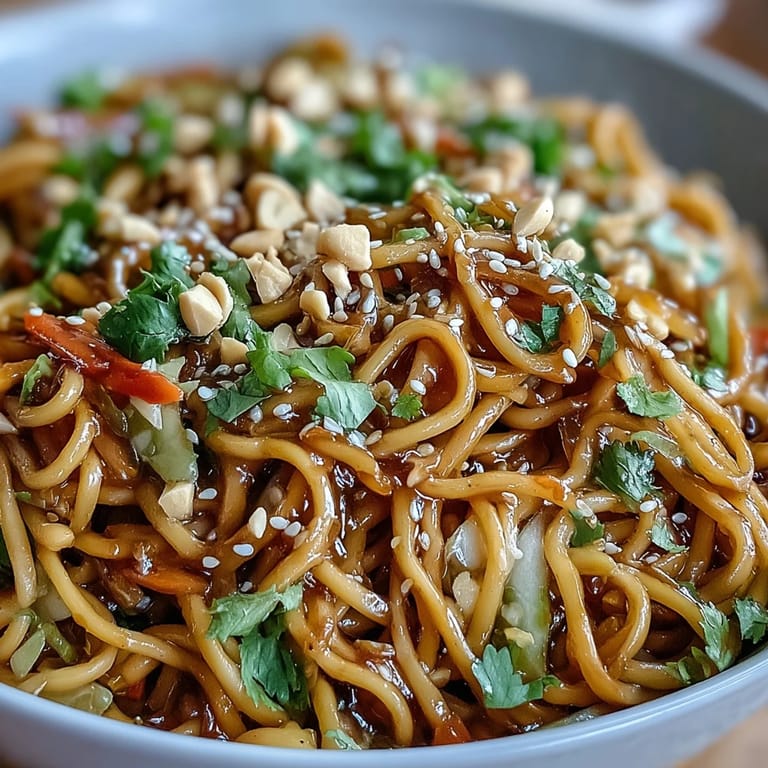
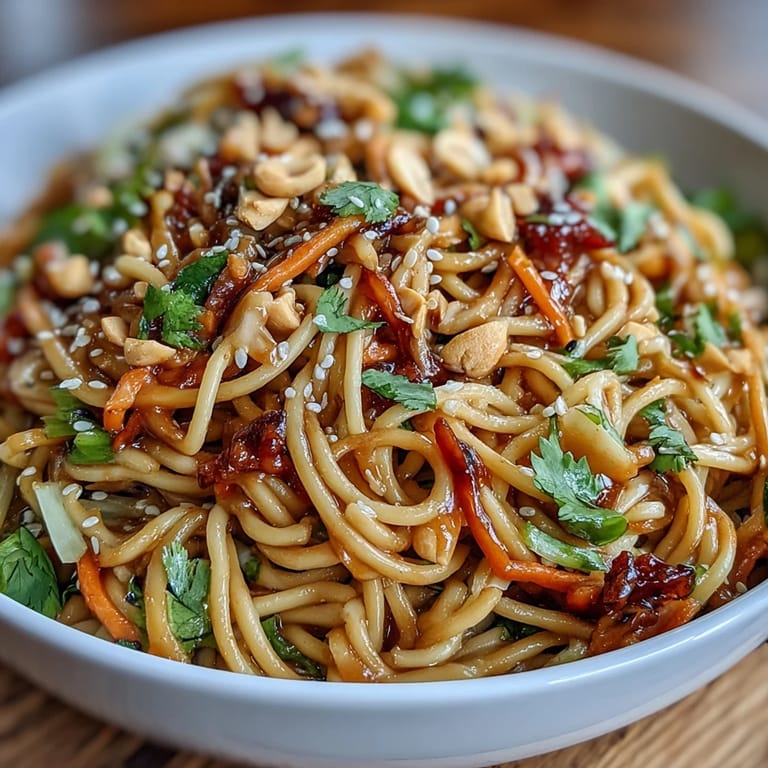
- Transfer to a serving platter or individual bowls and top with toasted sesame seeds, extra cilantro, and a scatter of chopped peanuts. Serve immediately while everything still has that fresh crunch, or chill for 20 minutes if you prefer it cold.
 Save
Save I brought this salad to a dinner party where I didn't know many people, and watching strangers bond over something I'd made felt like I'd accidentally started a small revolution. That's when food stopped being just fuel and became this quiet way of saying hello without needing words.
Why This Salad Works for Any Occasion
The beauty of this dish is its flexibility masquerading as structure. You can eat it straight from the pot if you're eating alone and hungry, or you can plate it carefully for guests and it looks like you tried. It's equally at home in a lunch container on Monday as it is at a summer gathering on Sunday, and it never complains about being leftovers.
Building Better Flavor Layers
What makes this dressing sing is the conversation between its parts—the sweetness of honey balancing the salt, the sesame oil carrying the ginger, the rice vinegar cutting through the peanut butter's richness like it's been doing this forever. Each component has a job, and when you whisk them together, you're essentially making them cooperate. I've learned that when one of these elements is missing or weak, the whole thing feels flat and incomplete, like a song with a note missing.
Storage, Serving, and the Art of Knowing When to Stop
This salad keeps beautifully in the refrigerator for two days, though the vegetables will soften slightly and the noodles will absorb more dressing, which some people actually prefer. If you're meal prepping, store the dressing separately and combine everything fresh, or add a splash more water to thin it out again. The peanuts and sesame seeds must always be stored separately and added only when you're about to eat, or they'll transform into sad, soggy things that nobody wants.
- Keep extra peanuts and sesame seeds in small jars at the back of your cupboard so you always have them ready for last-minute crunchy finishes.
- If your salad is looking too thick after sitting in the fridge, add a tablespoon of warm water and a tiny drizzle of sesame oil to wake it back up.
- Serve this straight from the fridge on hot days, or let it sit on the counter for five minutes if you like the noodles slightly less firm.
 Save
Save This salad has become my answer to so many questions: what do I make when I want something fast, what do I bring when I want to be remembered, what do I cook when I miss that feeling of being alive in a Bangkok market. It reminds me that the best recipes are the ones that travel with you.
Recipe Questions & Answers
- → What type of noodles work best in this salad?
Soba noodles are ideal for their texture and flavor, but spaghetti or rice noodles can be used as alternatives.
- → How can I make the dressing thinner if needed?
Add warm water gradually to the peanut dressing until you reach a pourable consistency that coats the noodles well.
- → Can I add protein to this dish?
Yes, grilled chicken, tofu, or shrimp complement the salad and boost protein content without overpowering the flavors.
- → Is there a vegan option available?
Use maple syrup instead of honey in the dressing, and ensure the noodles are egg-free to make it fully vegan.
- → How long can the salad be stored?
The salad keeps well refrigerated for up to two days; add chopped peanuts and garnish just before serving to maintain crunch.
- → What allergens should I be aware of?
This dish contains peanuts, soy, and gluten unless gluten-free noodles and tamari are used. Sesame is also present.